Did you know that a clean coffee maker can dramatically improve the flavor of your brew? Regular maintenance goes beyond aesthetics—it’s essential for great-tasting coffee!
What You Will Learn
- Identifying your Instant Pot coffee maker model is crucial for using the right cleaning techniques.
- Using natural cleaning agents like vinegar and baking soda can enhance the cleanliness of your machine.
- Essential cleaning tools such as microfiber cloths and dish brushes can significantly ease the cleaning process.
- Regular cleaning prevents odors, improves coffee flavor, and extends the lifespan of your coffee maker.
Essential Steps for Cleaning Your Instant Pot Coffee Maker
Keeping your Instant Pot coffee maker clean is vital for both the taste of your coffee and the longevity of the machine. In this guide, I’ll walk you through the essential steps and tips for effective cleaning. We’ll start by understanding the different models of Instant Pot coffee makers and the specific cleaning techniques suited for each.
Understanding your machine will not only help in cleaning but will also enhance your overall coffee experience! Let’s dive in.
Understanding Your Instant Pot Coffee Maker: Model Overview
The first step in cleaning your Instant Pot coffee maker is to identify which model you own. Instant Pot offers a range of coffee makers, including:
- Solo
- Pod
- Grind and Brew
- Infusion Brew
Each model has unique features that will affect how you clean them. For example, the Grind and Brew model has additional components that need specific attention during cleaning!
Identify Your Model: Solo, Pod, Grind and Brew, or Infusion Brew
Take a moment to check the model of your coffee maker. This is important because the cleaning techniques can vary significantly based on the type. Knowing your model will ensure you’re following the right procedures for maintenance.
For instance, the Grind and Brew has a grinder that requires special care, while the Pod model might need less frequent deep cleaning.
Key Features Affecting Cleaning Techniques
Different models come with various features that can affect cleaning methods. For example, if your coffee maker has a built-in grinder or complex brewing system, it may require more thorough cleaning than a simpler model.
Always refer to the user manual for guidance on specific features—this is your best friend in maintaining your coffee maker!
Gathering Your Cleaning Supplies and Tools
Before you start cleaning, it’s crucial to gather the right supplies. This not only streamlines the process but also ensures that you’re using safe and effective cleaning agents.
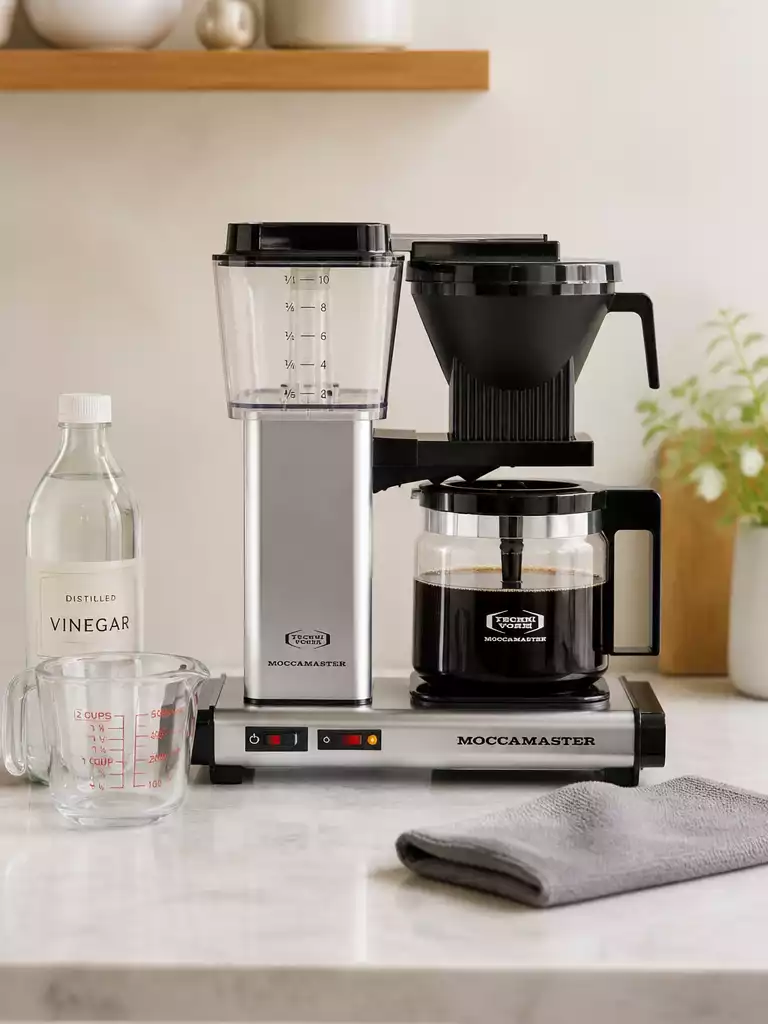
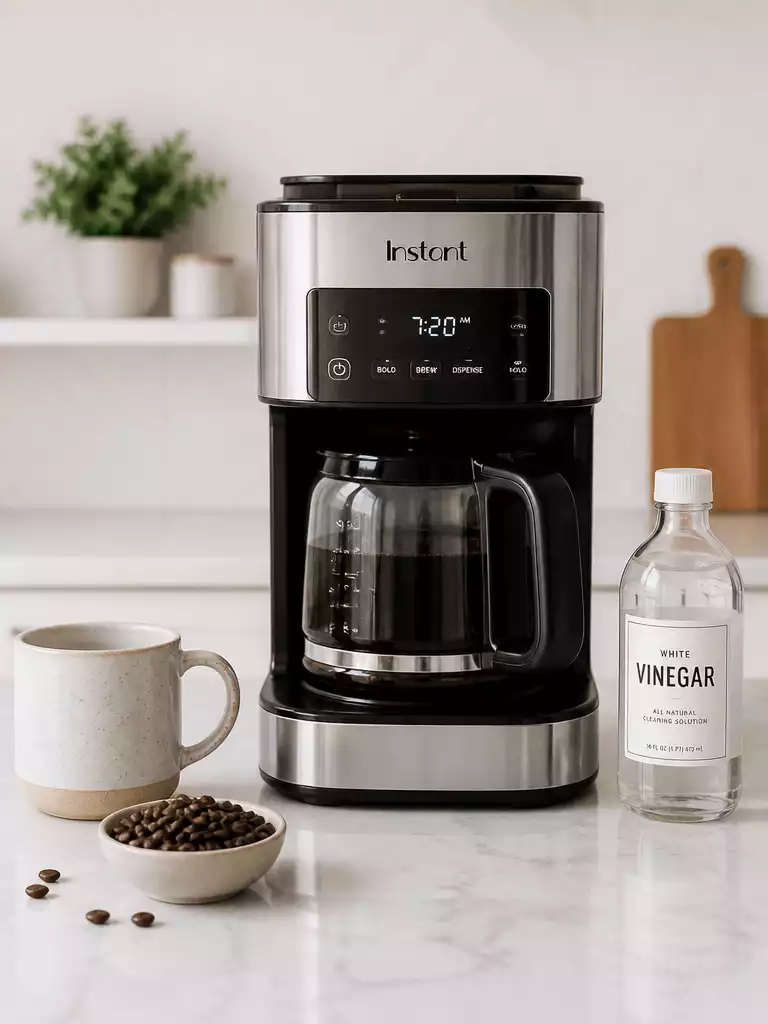
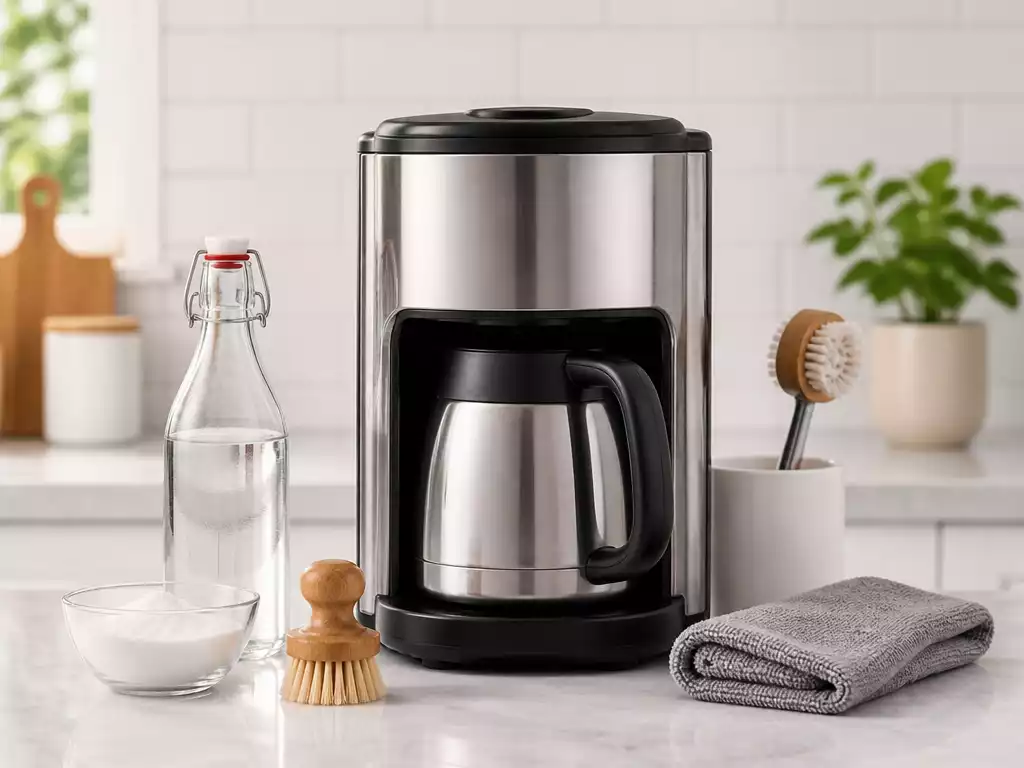
- Vinegar – great for descaling
- Baking Soda – perfect for general cleaning
- Eco-Friendly Cleaners – safe for the environment and effective
These cleaning agents are not just effective; they’re also cost-efficient and safe for your coffee maker!
Recommended Cleaning Agents: Vinegar, Baking Soda, and Eco-Friendly Cleaners
Vinegar is my go-to for descaling and removing coffee stains, while baking soda works wonders for scrubbing away grime without scratching surfaces. Eco-friendly cleaners are also an option if you prefer something gentle that won’t harm the environment.
Always avoid harsh chemicals that can damage your coffee maker or leave harmful residues!
Essential Tools: Microfiber Cloth, Soft Cloth, and Dish Brush
Aside from cleaning agents, having the right tools can make a world of difference. A microfiber cloth is perfect for wiping down surfaces, while a soft cloth can be used for delicate areas. Additionally, a dish brush will help you scrub out those hard-to-reach spots.
Make sure to have these tools ready before you begin your cleaning process. It’ll save you time and effort!
Pro Tip
Did you know? Regularly cleaning the water reservoir of your Instant Pot coffee maker can significantly enhance the taste of your coffee. This simple step helps to eliminate any lingering odors or mineral deposits that may affect the flavor.
Recap and Key Takeaways for Cleaning Your Instant Pot Coffee Maker
Cleaning your Instant Pot Coffee Maker is not just about maintaining its appearance; it’s about ensuring that every cup of coffee you brew is delicious and safe to drink. Regular maintenance helps to remove odors and keeps your machine in top condition, so you can enjoy your favorite brews without any unpleasant surprises!
In this guide, I’ve shared the essential steps and best practices for keeping your coffee maker clean. From descaling techniques to tips on drying removable parts, a little effort goes a long way in enhancing both the flavor of your coffee and the longevity of your machine.
Final Thoughts on Regular Maintenance and Care
By prioritizing regular cleaning, you’re not only improving the taste of your coffee but also prolonging your coffee maker’s lifespan. Here’s why this is so important:
- Odor Removal: A clean machine prevents rancid smells that can taint your coffee.
- Improved Flavor: Residues can affect the taste; cleaning eliminates any buildup.
- Machine Longevity: Regular care means fewer repairs and replacements.
With each brew, you deserve to experience the full flavor of your coffee. Keeping your Instant Pot Coffee Maker clean ensures that every sip is as delightful as the last!
Engage with Us for More Insights and Queries
Join the Conversation: Share Your Cleaning Tips and Experiences
We love hearing from fellow coffee enthusiasts! If you have your own cleaning tips or tricks for your Instant Pot Coffee Maker, feel free to share them with us. Your insights can help others enjoy their coffee even more.
FAQs: Your Most Pressing Questions Answered
Got questions about cleaning? We’ve got answers! Here are some common queries:
- How often should I descale my coffee maker?
It’s generally recommended to descale your coffee maker every 1-3 months, depending on your water hardness and usage frequency. If you notice a slower brew time or changes in coffee taste, it might be time to descale sooner.
- Can I use vinegar for cleaning?
Yes, vinegar is an excellent natural descaling agent. Mix equal parts white vinegar and water, run it through a brew cycle, and then follow with a few cycles of plain water to rinse thoroughly. Always check your user manual for specific recommendations.
- What should I avoid using when cleaning my coffee machine?
Avoid abrasive cleaners, harsh chemicals, and steel wool, as these can damage the machine’s surfaces and internal components. Stick to mild soaps, vinegar, baking soda, and eco-friendly cleaners.
- Why is it important to identify my Instant Pot coffee maker model before cleaning?
Different models (Solo, Pod, Grind and Brew, Infusion Brew) have unique features and components that require specific cleaning techniques. Identifying your model ensures you use the correct procedures for effective maintenance and avoid damage.
- How does regular cleaning improve the taste of my coffee?
Over time, coffee oils and mineral deposits can build up, leading to stale or bitter-tasting coffee. Regular cleaning removes these residues, ensuring that each brew tastes fresh and true to its intended flavor.
If you have more specific questions, don’t hesitate to reach out directly. We’re here to help!
Exploring YouTube Cleaning Tutorials for Extra Help
Looking for visual guidance? Check out YouTube for a variety of cleaning tutorials specifically for Instant Pot Coffee Makers. Watching someone else tackle the cleaning process can give you the confidence you need to dive in and give your coffee maker the care it deserves.
Let’s keep the conversation brewing! Whether you’re sharing tips or asking questions, we’re excited to connect with you.
Recap of Key Points
Here is a quick recap of the important points discussed in the article:
- Identify your Instant Pot coffee maker model to ensure proper cleaning techniques.
- Gather recommended cleaning supplies like vinegar, baking soda, and eco-friendly cleaners for effective maintenance.
- Utilize essential tools such as microfiber cloths, soft cloths, and dish brushes to enhance your cleaning process.
- Regular cleaning helps remove odors, improves coffee flavor, and prolongs the lifespan of your coffee maker.
- Refer to the user manual for specific cleaning instructions tailored to your model.