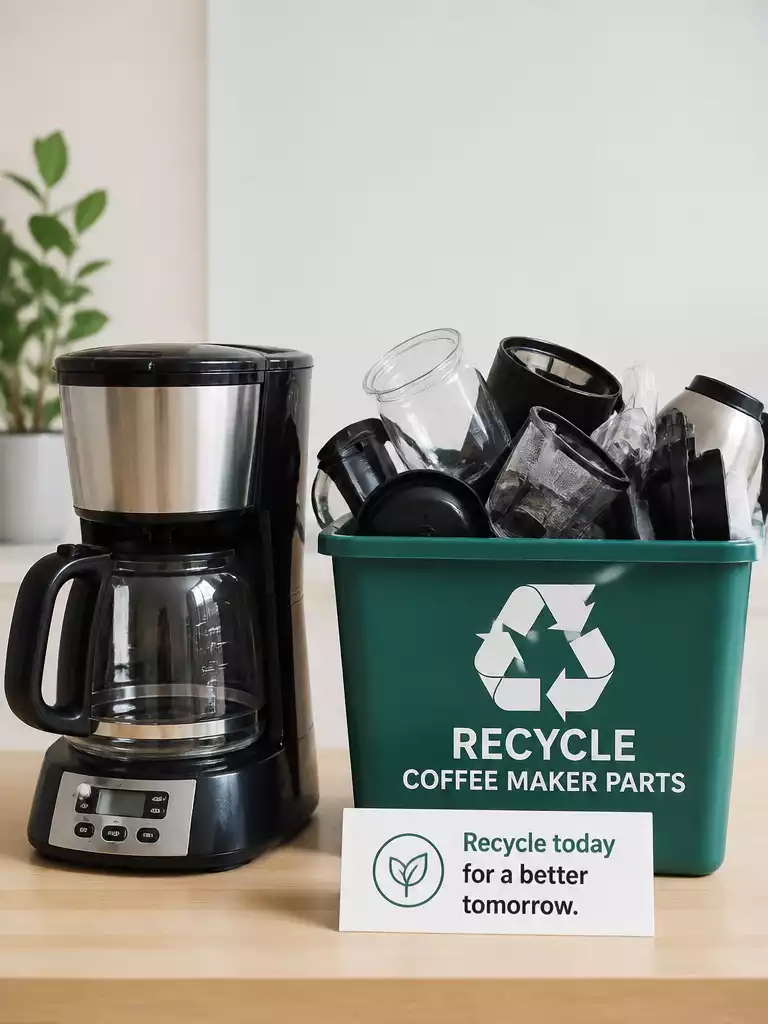
As we strive for sustainability, every small decision counts. How do you ensure that your old coffee maker doesn’t contribute to the growing problem of e-waste? Let’s explore responsible recycling methods that benefit both you and the planet.
What You Will Learn
- The environmental impact of e-waste, highlighting the need for responsible disposal.
- Benefits of proper recycling methods, including reduced landfill waste and conservation of natural resources.
- Understanding curbside recycling limitations for coffee makers and why they are often excluded.
- Alternative disposal methods such as local e-waste recycling centers and retailer take-back programs.
- The importance of eco-friendly disposal practices in minimizing pollution and supporting sustainability.
Understanding How to Recycle a Coffee Maker Responsibly
As a coffee lover, I know how important it is to enjoy that perfect cup of brew. However, when it comes time to part ways with your coffee maker, do you know how to dispose of it responsibly? Recycling your coffee maker is not just about getting rid of an old appliance; it’s about making a conscious choice that benefits the environment. Let’s dive into why this matters and how you can do it right!
Why Recycling Your Coffee Maker Matters
Every year, millions of electronic devices, including coffee makers, end up in landfills. This e-waste contributes to significant environmental issues, including soil and water contamination. Understanding the environmental impact of e-waste is crucial. When these appliances are improperly disposed of, harmful chemicals can leach into the ground, threatening our ecosystem.
The Environmental Impact of E-Waste
E-waste is a growing concern globally. It’s estimated that only about 20% of e-waste is recycled properly. This means that the majority is simply thrown away! This not only wastes valuable resources but also poses a danger to both human health and the environment. By recycling your coffee maker, you help to mitigate these risks.
Benefits of Responsible Disposal Methods
- Reduces landfill waste
- Conserves natural resources
- Prevents toxic chemical release
- Supports a cleaner and healthier environment
By choosing responsible disposal methods, you contribute to a more sustainable future. It’s a small step that can lead to big changes!
The Role of Sustainability in Coffee Maker Recycling
Recycling is more than just a trend; it’s a vital part of sustainable living. When we recycle our coffee makers, we’re participating in practices that reduce our carbon footprint and conserve resources. Sustainability in coffee maker recycling means thinking about the lifecycle of the products we use every day.
How Appliance Recycling Supports Sustainable Practices
Recycling old appliances ensures that materials are reused rather than wasted. This not only helps in conserving energy but also aids in the reduction of greenhouse gas emissions. When we recycle, we create a system where materials can be continuously reused, supporting sustainable practices.
Understanding the Concept of Circular Economy in E-Waste Management
In a circular economy, the focus is on reducing waste and continually using resources. By recycling your coffee maker, you play a part in this system, ensuring that valuable materials are kept in circulation. This not only benefits the environment but also promotes a more sustainable economy.
So, the next time you consider tossing that old coffee maker, remember the impact your recycling decision can have! It’s more than just an appliance; it’s a chance to support a healthier planet.
Pro Tip
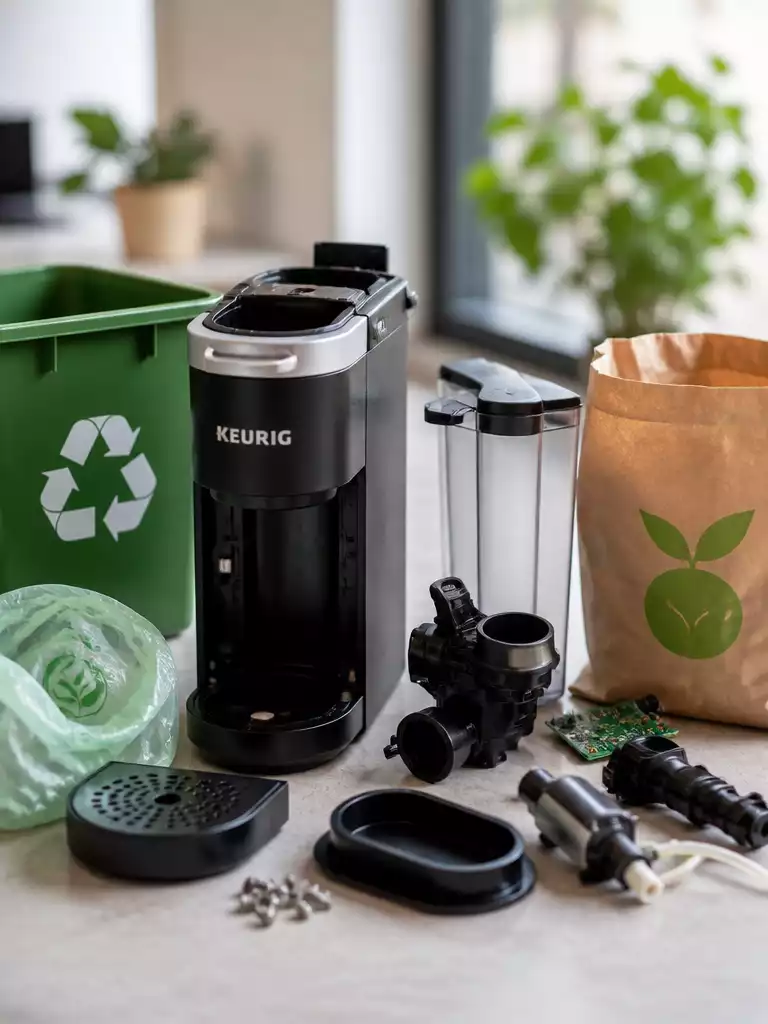
Did you know? Before recycling your coffee maker, remove any non-electronic components like carafes and filters. This not only makes the recycling process smoother but also ensures that recyclable materials are not contaminated!
Making Informed Decisions About Your Coffee Maker Disposal
When it comes to disposing of your old coffee maker, it’s essential to make informed decisions that not only benefit you but also the environment. Many folks think they can toss their coffee maker in the curbside recycling bin, but that’s not always the case. Let’s dig into why understanding curbside recycling limitations is crucial!
Understanding Curbside Recycling Limitations
Most coffee makers aren’t accepted in curbside recycling programs because they fall under the category of e-waste. E-waste includes electronic devices that contain harmful materials, making them tricky to recycle properly. Items like coffee makers often have mixed materials that complicate the recycling process.
- Common components like plastics and metals can’t always be separated easily.
- Many curbside programs only accept containers and packaging, not appliances.
- Improper disposal can lead to environmental hazards.
Instead of relying on curbside pickup, consider other options. Most localities have dedicated e-waste recycling centers where you can bring your old coffee maker. These facilities are equipped to handle the complexities of electronic appliances!
Why Most Coffee Makers Aren’t Accepted Curbside
The main reason coffee makers are excluded from curbside recycling is that they often contain components that can be hazardous if not disposed of properly. The heating elements, for example, contain heavy metals that can leach into the soil. Additionally, coffee makers typically have a mix of plastics that curbside recycling facilities aren’t set up to process.
Understanding these limitations helps us make better choices when it comes to disposing of appliances. Always check with your local recycling guidelines to see what is accepted!
Alternative Disposal Methods to Consider
Now that we know curbside recycling isn’t the best option, let’s look at some effective alternatives for your coffee maker disposal:
- Local electronic waste recycling centers
- Retailer take-back programs that accept old appliances
- Donation to local charities or thrift stores if the maker is still functional
These options ensure that your coffee maker is handled responsibly, keeping it out of landfills. Each method supports the environment while giving your appliance a second chance at life!
Exploring Landfill Alternatives for Coffee Makers
As we become more conscious of our environmental footprint, exploring landfill alternatives for our coffee makers is more important than ever. Thankfully, there are numerous eco-friendly disposal practices we can adopt. Let’s take a look!
Benefits of Eco-friendly Disposal Practices
Choosing eco-friendly disposal practices isn’t just about getting rid of your old coffee maker; it’s about contributing to a sustainable future. Here are some benefits of going green:
- Reduces the amount of waste sent to landfills
- Conserves natural resources by recycling materials
- Minimizes pollution and greenhouse gas emissions
When you dispose of your coffee maker responsibly, you’re not just cleaning out your kitchen. You’re actively participating in a larger movement to protect our planet!
Resource Recovery and Its Importance
Resource recovery refers to the process of extracting useful materials from waste, and it’s crucial in our efforts to manage e-waste effectively. Properly recycling your coffee maker allows valuable materials like metals and plastics to be reused. This practice reduces the need for new raw materials, which can be resource-intensive to obtain.
By considering resource recovery when disposing of your coffee maker, you’re playing a significant role in the circular economy. Every effort counts, and together, we can make a difference!
Frequently Asked Questions (FAQs)
Recap of Key Points
Here is a quick recap of the important points discussed in the article:
- Recycling your coffee maker helps reduce landfill waste and conserves natural resources.
- Understanding the environmental impact of e-waste is crucial for making responsible disposal choices.
- Most curbside recycling programs do not accept coffee makers due to their mixed materials and hazardous components.
- Consider alternative disposal methods such as local e-waste recycling centers or retailer take-back programs.
- Choosing eco-friendly disposal practices contributes to a sustainable future and promotes resource recovery.