Have you ever wondered what keeps your coffee maker from brewing that perfect cup? Knowing the signs of a clog can save you from a bitter morning!
What You Will Learn
- Recognize early symptoms of a clogged coffee maker, such as slow brewing and unusual noises.
- Understand common causes of clogs, including hard water minerals and coffee oil buildup.
- Learn when to use DIY solutions for clogs and when to seek professional help.
- Adopt regular maintenance practices to extend your coffee maker’s lifespan, such as monthly cleanings and using filtered water.
- Implement a cleaning schedule to keep your machine running smoothly and prevent future clogs.
Understanding Coffee Maker Clogs: Why It Happens
We all love a good cup of coffee, but when your coffee maker clogs, it can really put a damper on that morning ritual! Understanding why these clogs happen is the first step to preventing them. Clogs in coffee makers can lead to slow brewing, bad flavors, and even damage to your machine. Let’s dive into what you need to know!
Recognizing the signs of a clog early on can save you time and hassle later. The sooner you catch these issues, the easier it is to maintain your coffee maker’s performance. So, let’s take a closer look!
Identifying the Symptoms of a Clogged Coffee Maker
How do you know if your coffee maker is clogged? There are several symptoms to watch for, and being aware of them can help you act quickly. Here are some common signs:
- Slow brewing time
- Weak or inconsistent coffee flavor
- Water pooling in the brew basket
- Unusual noises during the brewing cycle
If you notice any of these signs, it’s a good indication that your coffee maker needs some attention. Even just a little buildup can affect your morning brew!
Common Causes of Coffee Maker Clogs
There are several reasons why your coffee maker might get clogged. Understanding these causes can help in preventing future issues. Here are some of the most common culprits:
- Minerals from hard water
- Old coffee grounds left in the machine
- Oil buildup from coffee beans
- Improper cleaning routines
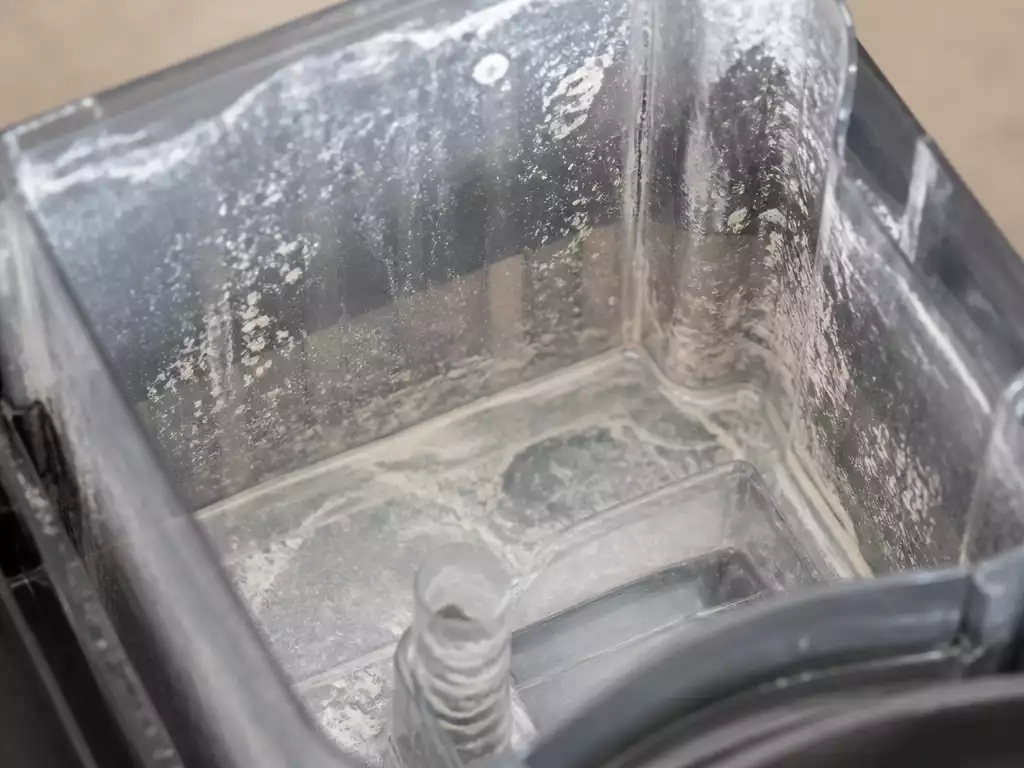
Mineral buildup is especially notorious for causing clogs, particularly if you live in an area with hard water. Regular maintenance is essential to keep your coffee maker running smoothly and to avoid these pesky blockages.
When to Seek Professional Help vs. DIY Solutions
Knowing when to tackle a clog yourself versus calling in the professionals can save you both time and money. Many minor clogs can be resolved with simple DIY solutions, such as descaling with vinegar or baking soda. But sometimes, you might need to call in the pros! Here’s when to decide:
- If the clog persists after multiple DIY attempts
- When you notice leaking water or electrical issues
- For severe clogs that could damage your machine
At my shop, I always recommend starting with a DIY approach. If you’re unsure or uncomfortable, don’t hesitate to reach out for help. After all, it’s better to be safe than sorry!
Pro Tip
Did you know? Regularly using filtered water can significantly reduce mineral buildup in your coffee maker, preventing clogs and enhancing the flavor of your coffee. Make it a habit to check and change your water filter every few months to keep your brews consistently delicious!
Maintaining Your Coffee Maker: Prevention is Key
At Your Business Name, we believe that a little maintenance goes a long way in keeping your coffee maker in top shape! Regular care not only improves the quality of your brews but also extends the life of your machine. By following a few best practices, you can ensure your coffee maker stays free of clogs and operates smoothly.
- Clean the coffee maker every month
- Use filtered water for brewing
- Run a descaling solution regularly
- Wipe down the exterior and components frequently
By incorporating these simple habits into your routine, you’ll enjoy better-tasting coffee and save yourself from unexpected issues down the line. Remember, prevention is always better than a costly repair!
Best Practices for Regular Cleaning
Cleaning your coffee maker doesn’t have to be an overwhelming task. In fact, it can become a quick and easy ritual! Start by emptying and rinsing your carafe and brew basket after each use. This small step helps prevent coffee oils and residue from building up.
- Use a soft sponge or cloth for gentle cleaning
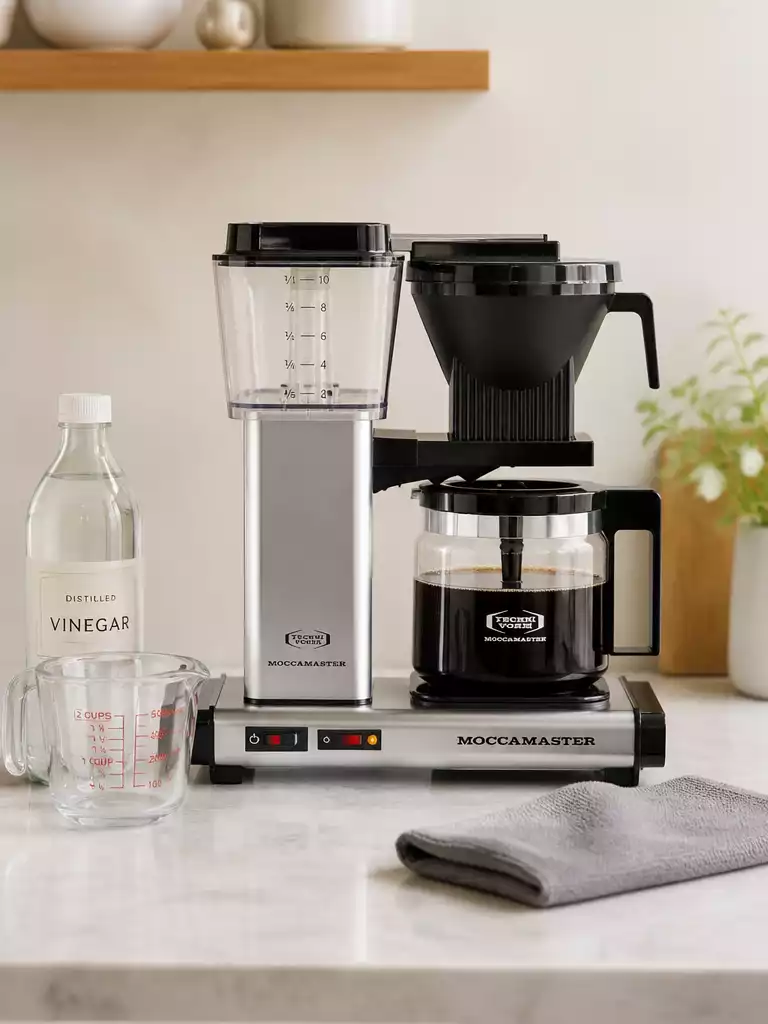
- Run a cycle of white vinegar every month
- Clean removable parts in warm, soapy water
Additionally, make sure to check the water reservoir for any mineral build-up. Regular cleaning ensures your coffee maker runs efficiently and can enhance the flavor of your coffee!
Understanding Water Hardness and Its Impact on Your Machine
Did you know that the hardness of your water can significantly affect your coffee maker? Hard water contains minerals like calcium and magnesium that can lead to scale buildup in your machine. This can cause clogs and prevent your coffee maker from functioning correctly.
- Test your water hardness using a test strip
- If hard, consider using filtered or bottled water
- Descale more frequently if you have hard water
By understanding the quality of your water, you can take proactive steps to keep your machine running smoothly. Investing in a water softener can also be beneficial in the long run!
Implementing a Cleaning Schedule for Extended Appliance Lifespan
Establishing a cleaning schedule is crucial for maintaining your coffee maker and ensuring it lasts for years. Setting reminders on your phone or marking your calendar can help keep you accountable. Aim to perform a deep clean every month, and make adjustments based on how often you use your machine.
- Weekly: Empty and rinse carafe & brew basket
- Monthly: Run a vinegar cycle and clean removable parts
- Every 3-6 months: Check water filters and descale if needed
By sticking to a consistent cleaning routine, you can prevent clogs and other issues, allowing you to enjoy your daily cup of coffee without any hassle!
Frequently Asked Questions
- What are the common signs of a clogged coffee maker?
- Common signs include slow brewing time, weak or inconsistent coffee flavor, water pooling in the brew basket, and unusual noises during the brewing cycle.
- What causes coffee maker clogs?
- Clogs are typically caused by mineral buildup from hard water, old coffee grounds left in the machine, oil buildup from coffee beans, and improper cleaning routines.
- When should I attempt DIY solutions versus seeking professional help?
- Most minor clogs can be resolved with DIY solutions like descaling with vinegar. However, if the clog persists after multiple attempts, you notice leaking water or electrical issues, or suspect severe damage, it’s best to seek professional help.
- How often should I clean my coffee maker to prevent clogs?
- It’s recommended to empty and rinse the carafe and brew basket weekly, run a vinegar cycle and clean removable parts monthly, and check/descale based on water filter changes every 3-6 months.
- Does water hardness affect my coffee maker?
- Yes, hard water contains minerals that can lead to scale buildup in your machine, causing clogs and preventing it from functioning correctly. Using filtered water or descaling more frequently can help.
Recap of Key Points
Here is a quick recap of the important points discussed in the article:
- Recognize symptoms of a clog early, such as slow brewing and weak coffee flavor.
- Common causes of clogs include hard water minerals, old coffee grounds, and oil buildup.
- Start with DIY solutions like vinegar descaling, but seek professional help for severe issues.
- Regular maintenance, including monthly cleaning and using filtered water, can prevent clogs.
- Implement a consistent cleaning schedule to extend the lifespan of your coffee maker.