
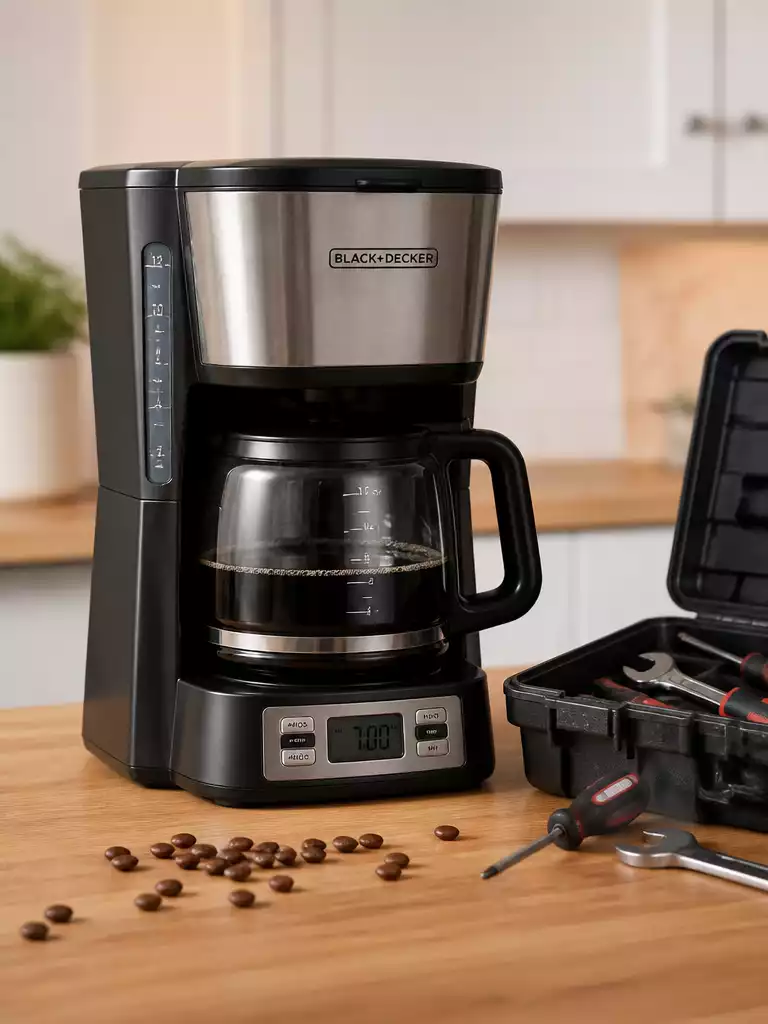
What if your morning brew is ruined by a coffee maker that just won’t cooperate? With a few simple troubleshooting steps, you can get back to enjoying your favorite cup of coffee without the hassle. Here’s what you will learn about common coffee maker issues and how to fix them!
What You Will Learn
- How to identify why your coffee maker won’t turn on and simple checks to troubleshoot the issue.
- Tips for diagnosing water flow problems and ensuring consistent brewing.
- Recognizing leaks and clogs, and the importance of addressing them promptly.
- Best practices for brewing great coffee, including adjusting coffee-to-water ratios.
- Understanding brand-specific issues and how to find solutions effectively.
- The significance of regular maintenance for your coffee maker’s longevity.
- Resources for further assistance and knowing when to contact professional repair services.
Understanding Common Coffee Maker Problems
As a coffee enthusiast, I understand how frustrating it can be when your coffee maker won’t cooperate. Whether you’re rushing to get your morning brew or preparing for a cozy evening cup, these common issues can throw a wrench in your routine. Let’s explore some typical problems you might face with your coffee maker and how to identify them!
Identifying Why Your Coffee Maker Won’t Turn On
When your coffee maker refuses to power on, it can feel like the end of the world! First, check if the machine is properly plugged in and that the outlet is functional. Sometimes, a simple reset of the outlet can do wonders.
- Ensure the power cord is securely connected to the coffee maker.
- Examine the circuit breaker to see if it has tripped.
- Test the outlet with another device to confirm it’s working.
If all these points check out, you might be facing a more complex issue, like a faulty internal component. Don’t worry; we’ll cover how to troubleshoot these issues further along in the article!
Diagnosing Issues with Water Flow and Brewing
Another challenge you might encounter is inconsistent water flow. If your coffee maker seems to brew slowly or not at all, that can definitely spoil your coffee experience! This issue often stems from clogs in the system.
- Check to see if the water reservoir is filled correctly.
- Inspect the brew basket for any obstructions.
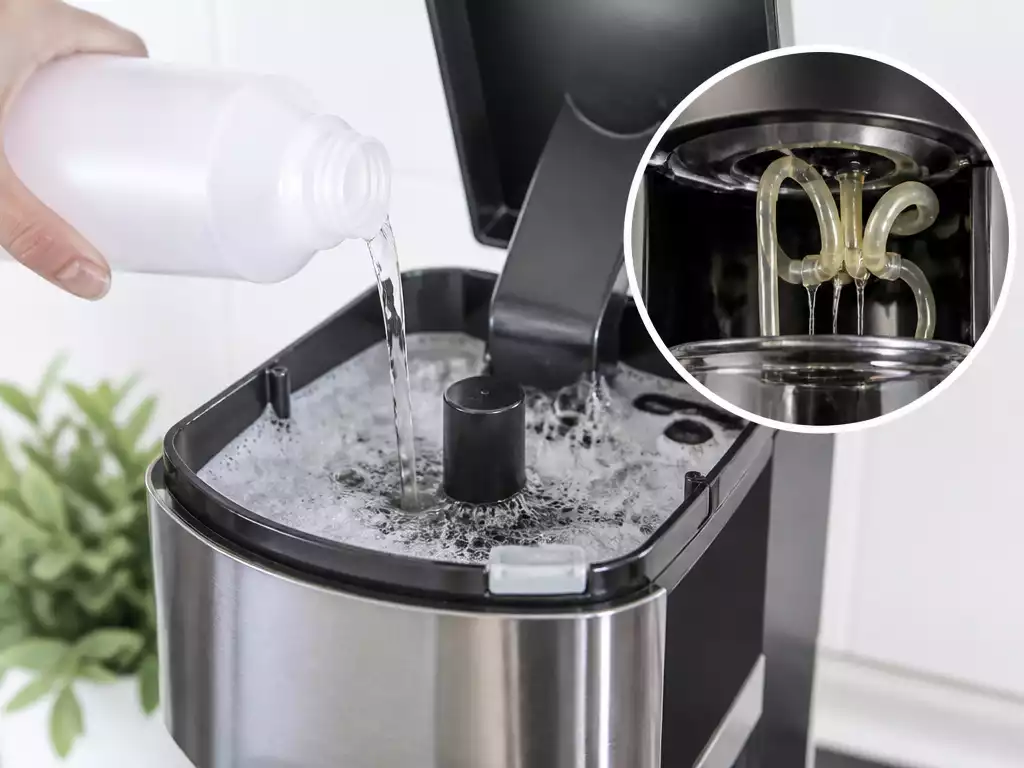
- Consider whether it’s time to descale your coffee maker.
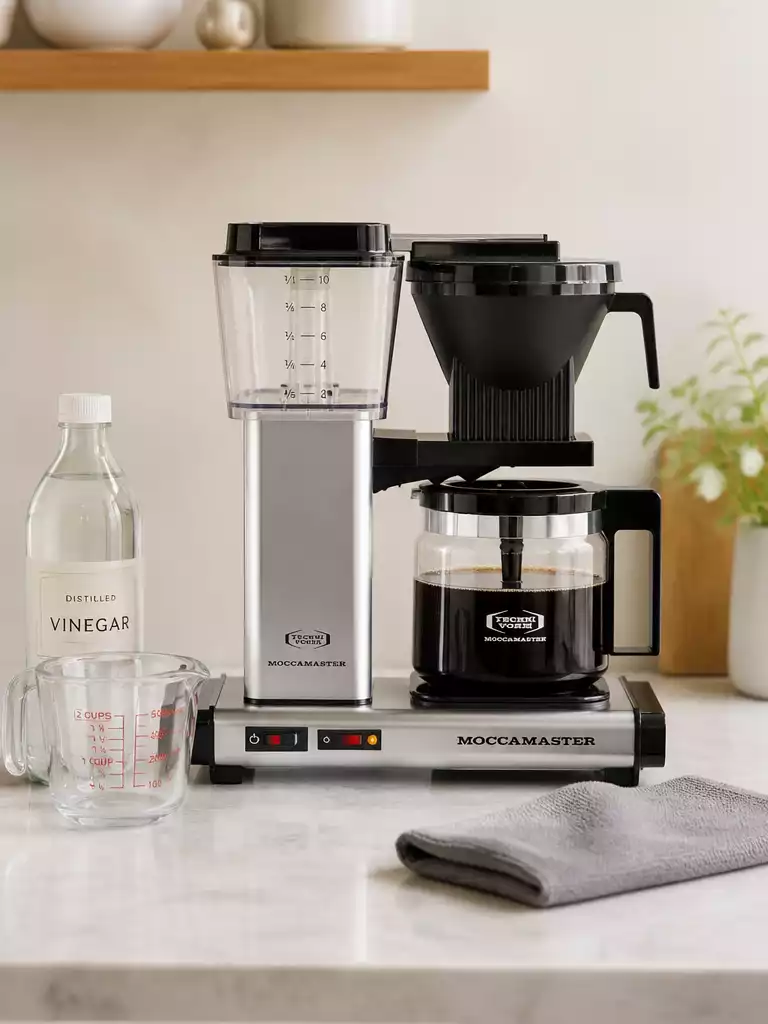
Cleaning your coffee maker regularly can prevent these issues from happening in the first place. A quick descaling with vinegar or a specialized solution can often do the trick!
Recognizing Signs of Leaks and Clogs in Your Coffee Maker
Leaks and clogs are some of the most common issues with coffee makers. If you notice any water pooling around your machine, it’s a clear sign that something’s not right. Ignoring leaks can lead to bigger problems down the line.
- Look for water under the coffee maker after brewing.
- Check the water lines for cracks or damage.
- Ensure that the carafe is properly seated to avoid spills.
Addressing these leaks quickly can save you both time and money! Regular maintenance and inspections can help catch these issues before they escalate.
Understanding Weak Coffee and Temperature Problems
If your coffee lacks flavor or is served lukewarm, it might be time to assess your brewing process! Weak coffee can result from using old beans or incorrect coffee-to-water ratios.
- Try using fresh coffee beans for a better flavor.
- Measure your coffee grounds accurately for optimal strength.
- Check the heating element to ensure it’s functioning properly.
By making a few adjustments, you can significantly enhance the taste and temperature of your brews, resulting in that perfect cup of coffee you crave!
Common Issues with Coffee Maker Brands
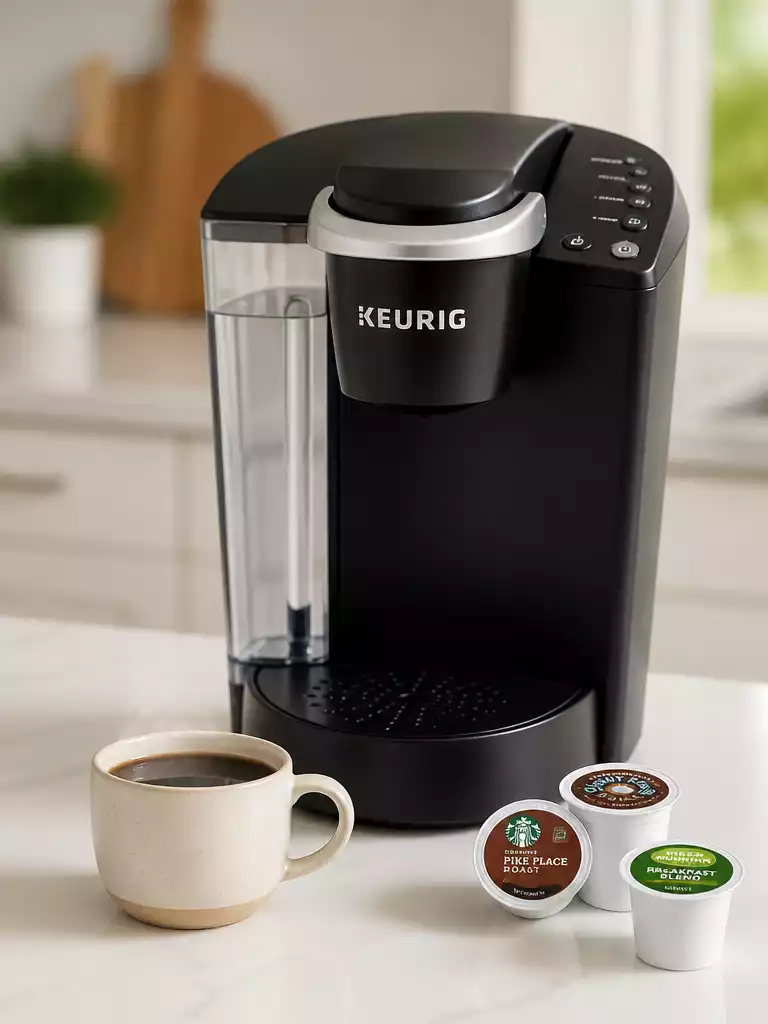
Different coffee maker brands can have their unique set of quirks and problems. It’s essential to familiarize yourself with common issues specific to your model. For example, some brands may have frequent complaints about leaks, while others might struggle with consistent brewing temperature.
- Research your specific model online for common troubleshooting tips.
- Keep an eye on customer reviews to identify potential issues.
- Consult the manufacturer’s guidelines for care and maintenance.
Being aware of these common brand-specific problems can help you address issues more efficiently and keep your coffee maker in top condition!
We Want to Hear From You!
What has been your biggest coffee maker challenge? Share your thoughts below:
Summarizing Key Troubleshooting Steps for Your Coffee Maker
When dealing with coffee maker issues, it’s crucial to remember some key troubleshooting steps that can save you time and frustration! Understanding these fixes can help you enjoy your coffee without unnecessary delays.
- Check your power source if the coffee maker won’t turn on.
- Regularly clean and descale to maintain water flow.
- Inspect for leaks and clogs that can disrupt the brewing process.
- Adjust coffee-to-water ratios for better taste and temperature.
By focusing on these essential steps, you can tackle many common issues yourself. Remember, a little maintenance can go a long way!
Key Takeaways for Quick Fixes and Repairs
Quick fixes can be a lifesaver when your coffee maker is acting up! Here’s a quick reference list of actions you can take:
- Reset circuit breakers if the coffee maker is unresponsive.
- Use a descaling solution to clear mineral buildup.
- Check and replace filters regularly to ensure optimal brewing.
- Inspect all hoses and connections for any signs of wear or damage.
By following these key takeaways, you’ll be equipped to handle many issues that arise. Often, it’s the simplest fixes that yield the best results!
The Importance of Regular Maintenance for Longevity
Regular maintenance is your coffee maker’s best friend! Taking proactive steps to care for your machine can extend its life and improve its performance.
- Schedule regular descaling to prevent mineral buildup.
- Clean the exterior and interior components to avoid residue.
- Replace filters as recommended by the manufacturer.
- Store your coffee maker in a dry environment to prevent mold.
By making maintenance a habit, you’ll ensure that each cup of coffee tastes great and your machine lasts longer. Plus, you’ll save money by avoiding costly repairs!
Taking the Next Steps for Your Coffee Maker Troubles
If you’ve tried troubleshooting and are still facing issues, don’t worry! There are plenty of options available for further assistance. Taking the next steps can lead you to a resolution.
Resources for Further Assistance and Replacement Parts
When you need to source parts or get expert advice, it’s essential to know where to look. Here are some reliable resources to keep in mind:
- Manufacturer websites for official replacement parts.
- Local appliance stores that offer parts and supplies.
- Online marketplaces that specialize in home appliance parts.
- Forums and communities focused on coffee maker repairs.
These resources can help you find the exact parts you need or provide valuable insights for troubleshooting. Don’t hesitate to reach out for help!
Contacting Professional Repair Services When Needed
Sometimes, the best course of action is to call in the professionals. If your troubleshooting hasn’t resolved the issue, consider reaching out to a repair service. Here’s when you should think about it:
- If your coffee maker is still under warranty, consult the manufacturer.
- When you notice persistent leaks or electrical issues.
- If you’ve tried multiple fixes without success.
- When repairs seem too complex to handle on your own.
By contacting a professional, you can save time and ensure that your coffee maker receives the expert care it needs. After all, a functioning coffee maker is essential for a great start to your day!
Frequently Asked Questions About Coffee Maker Troubleshooting
- Q: What should I do if my coffee maker won’t turn on?
- A: First, check if the machine is securely plugged into a functional outlet. Test the outlet with another device, and check your circuit breaker for any trips. If these steps don’t work, there might be a more complex internal issue.
- Q: How can I fix inconsistent water flow in my coffee maker?
- A: Inconsistent water flow is often caused by clogs. Ensure the water reservoir is filled correctly and inspect the brew basket for obstructions. Regularly descaling your coffee maker with vinegar or a specialized solution can prevent and fix this problem.
- Q: What are the signs of a leak in my coffee maker, and how do I address them?
- A: Signs of a leak include water pooling under the machine after brewing. Check water lines for cracks or damage and ensure the carafe is properly seated. Promptly addressing leaks can prevent further damage and save repair costs.
- Q: Why is my coffee weak or lukewarm?
- A: Weak or lukewarm coffee can be due to old beans, incorrect coffee-to-water ratios, or a malfunctioning heating element. Try using fresh coffee beans, measure grounds accurately, and check if the heating element is working properly.
- Q: When should I seek professional help for my coffee maker?
- A: Consider professional repair if your coffee maker is still under warranty, if you notice persistent leaks or electrical issues, if multiple troubleshooting attempts have failed, or if the repairs seem too complex to handle yourself.
Recap of Key Points
Here is a quick recap of the important points discussed in the article:
- Ensure your coffee maker is plugged in and the outlet is functional if it won’t turn on.
- Regularly clean and descale your coffee maker to maintain proper water flow.
- Inspect for leaks and clogs to avoid disruptions in the brewing process.
- Adjust coffee-to-water ratios for improved taste and temperature.
- Schedule routine maintenance to extend the life of your coffee maker.
- Seek professional help if troubleshooting does not resolve the issue.

Pingback: how to use a bella coffee maker
Pingback: how to use a newco coffee maker
Pingback: How to Use a Toastmaster Coffee Maker: Complete Guide
Pingback: dolce gusto coffee maker not working
Pingback: how to use a percolator coffee maker