Every cup of Cuban coffee brewed in a Moka pot is more than just a beverage; it’s a connection to tradition, culture, and the art of coffee-making. Ready to dive into the world of Cuban coffee? Here are the essential insights you’ll gain from this guide.
What You Will Learn
- The key differences between a Moka pot and a stovetop espresso maker, and how they impact your coffee experience.
- Essential features to consider when selecting a Cuban coffee maker, ensuring a satisfying and effortless brewing process.
- The social and cultural significance of Cuban coffee, transforming your coffee-making into a communal and enjoyable ritual.
- Crucial preparation steps, including how to season your Moka pot and select quality coffee beans for an exceptional brew.
Understanding the Cuban Coffee Maker: A Quick Overview
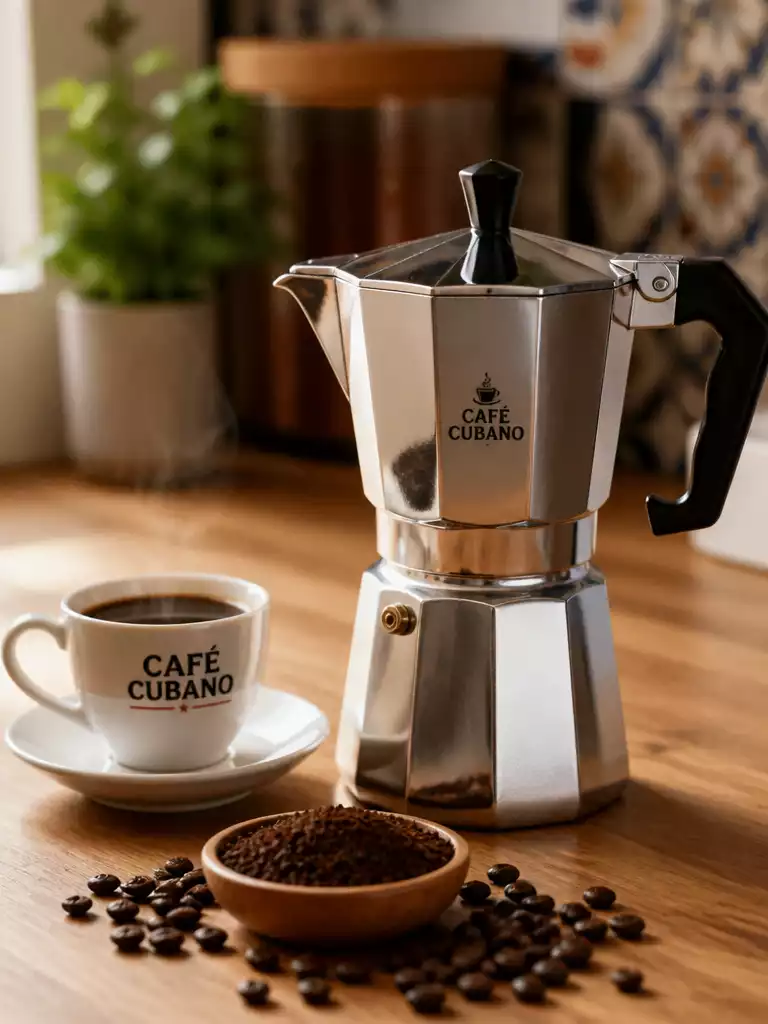
Cuban coffee makers, often referred to as Moka pots, are a staple in many homes, especially for coffee lovers looking to bring that rich, bold flavor into their everyday brew. These fascinating devices not only brew coffee but also hold a significant place in our culture. As a passionate coffee enthusiast, I can tell you that using a Cuban coffee maker is a delightful experience that connects you to tradition with each cup! For more general guidance on coffee makers, check out our guide on how to use a coffee maker.
One of the first things to grasp is the difference between a Moka pot and a stovetop espresso maker. While they may seem similar, there are key distinctions that can affect your brewing experience. Moka pots typically produce a stronger coffee than standard drip brewers, but they don’t quite match the pressure and flavor of an espresso machine. If you’re new to the world of Cuban coffee, knowing this can really help tailor your expectations.
Defining the Cuban Coffee Maker: Moka Pot vs. Stovetop Espresso Maker
When diving into the realm of Cuban coffee, it’s essential to differentiate between the Moka pot and the stovetop espresso maker. Both are stovetop devices designed to brew coffee using steam pressure, but they serve slightly different purposes and yield varied results.
- Moka Pot: Produces rich, strong coffee with a robust flavor profile, perfect for those who enjoy a bold brew.
- Stovetop Espresso Maker: Often brews coffee with higher pressure, resulting in a creamier texture, akin to traditional espresso.
- Design Differences: While both are functional, Moka pots have a unique design that contributes to their brewing method, whereas espresso makers tend to be more complex.
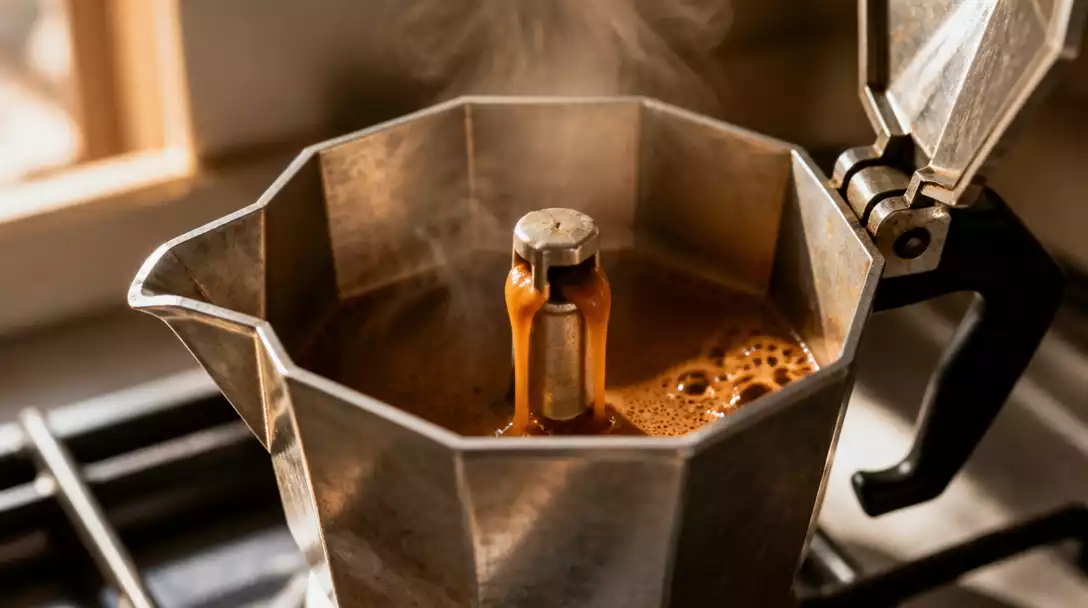
Each type of coffee maker has its own set of enthusiasts, but if you’re just starting out, I recommend the Moka pot for its simplicity and ability to produce that signature Cuban coffee flavor. You’ll quickly find it becomes a cherished part of your coffee routine! If you’re curious about other types, you might also be interested in how to use a vacuum coffee maker.
Key Features of the Cuban Coffee Maker for Beginners
As a beginner, knowing what to look for in a Cuban coffee maker can make all the difference. Here are some essential features to consider:
- Material: Choose a durable material like aluminum or stainless steel for even heat distribution.
- Sizes: Cuban coffee makers come in various sizes; select one that suits your daily consumption.
- Ease of Use: Look for designs that are straightforward, especially if you’re new to stovetop brewing.
These features can greatly enhance your brewing experience. Trust me, starting with the right tools is half the battle! Once you get familiar with your Cuban coffee maker, you’ll appreciate its ability to create a delicious cup of coffee every time.
The Role of Cuban Coffee in Coffee Culture
Cuban coffee isn’t just about the drink itself; it’s a cultural experience. In Cuba, coffee is a social ritual, often shared among friends and family. As someone who loves coffee culture, I can tell you that the act of brewing and enjoying Cuban coffee brings people together.
- Social Interactions: Coffee is often served to guests as a sign of hospitality.
- Flavor Profiles: Cuban coffee is known for its sweetness and boldness, often enjoyed with sugar.
- Tradition: The preparation and serving of Cuban coffee is steeped in tradition and pride.
From the streets of Havana to your kitchen, Cuban coffee serves as a bridge to history and community. Embracing this aspect of coffee can transform your brewing into a delightful ritual that you’ll look forward to every day!
Pro Tip
For an extra layer of flavor, consider adding a pinch of salt to your coffee grounds before brewing. This simple trick can enhance the natural sweetness of your Cuban coffee, balancing out any bitterness and enriching the overall taste. Give it a try and discover a new dimension to your daily brew!
Essential Preparation Steps for Brewing Cuban Coffee
Gathering Your Materials: What You Need for Brewing
Before diving into the delightful world of Cuban coffee, it’s crucial to gather your materials. This preparation sets the stage for a smoother brewing process and ensures that you have everything on hand. Here’s what you’ll need:
- Cuban coffee maker (Moka pot)
- Freshly roasted Cuban coffee beans
- Water (preferably filtered)
- Measuring spoon or scale
- Coffee grinder (if using whole beans)
- Demitasse cups for serving
Having these items ready will help streamline your brewing experience. You’ll love how each piece contributes to crafting the perfect cup. Don’t forget your favorite mug to enjoy your brew!
First-Time Use: Seasoning Your Cuban Coffee Maker
When using your Cuban coffee maker for the first time, seasoning it is a vital step. This process helps remove any manufacturing residues and ensures the best flavor in your coffee. Here’s how to do it:
- Fill the bottom chamber with water up to the safety valve.
- Place a small amount of coffee grounds in the filter basket, without packing it down.
- Assemble the coffee maker and heat it on medium-low until it brews.
- Discard the coffee and rinse the maker with warm water.
Seasoning your Cuban coffee maker not only enhances the taste but also builds up the character of your brewing tool. I remember the first time I seasoned mine; it felt like igniting a new relationship with coffee! For more detailed instructions on specific coffee makers, you might find our guide on how to use a Moka coffee maker helpful.
Selecting Quality Coffee Beans for Your Brew
The heart of any great Cuban coffee lies in the quality of the beans. Choosing the right coffee can transform your brew from ordinary to extraordinary. Here are some tips for selecting beans:
- Opt for medium to dark roasted beans for that rich, bold flavor.
- Look for beans from Cuba or high-quality specialty roasters.
- Check for freshness; beans should be within a few weeks of roasting.
- Consider the flavor profile you enjoy—cocoa, caramel, or fruity notes.
My go-to is a medium roast with chocolate undertones—it’s a comforting choice. Remember, the right beans will not only elevate your coffee but also make your brewing experience more enjoyable!
Frequently Asked Questions About Cuban Coffee Makers
Here are some common questions about Cuban coffee makers and brewing Cuban coffee:
- What is the main difference between a Moka pot and a stovetop espresso maker?
A Moka pot produces a rich, strong coffee with a robust flavor, while a stovetop espresso maker typically brews with higher pressure, resulting in a creamier texture more akin to traditional espresso. - Why is seasoning a new Cuban coffee maker important?
Seasoning helps remove any manufacturing residues and allows the coffee maker to develop a patina that enhances the flavor of subsequent brews. It’s a crucial step for optimal taste. - What kind of coffee beans are best for Cuban coffee?
Medium to dark roasted beans are generally preferred for Cuban coffee due to their rich, bold flavor. Look for fresh beans, ideally within a few weeks of roasting, from Cuba or reputable specialty roasters. - How does Cuban coffee fit into Cuban culture?
Cuban coffee is deeply ingrained in social rituals and hospitality. It’s often shared among friends and family, symbolizing community and tradition. Its sweetness and boldness are characteristic of its cultural significance. - Can I use any type of coffee in a Moka pot?
While you can use various types of coffee, a medium to dark roast with a fine grind (but not as fine as espresso) is recommended for achieving the traditional Cuban coffee flavor in a Moka pot.
Recap of Key Points
Here is a quick recap of the important points discussed in the article:
- Understanding Cuban Coffee Makers: Moka pots produce a rich, strong coffee, while stovetop espresso makers yield a creamier texture.
- Key Features for Beginners: Look for durable materials, appropriate sizes, and ease of use when selecting a Cuban coffee maker.
- Cultural Significance: Cuban coffee is more than a drink; it embodies social interactions and traditions within the culture.
- Preparation Steps: Gather essential materials like freshly roasted coffee beans and a coffee grinder for a smooth brewing process.
- Seasoning Your Coffee Maker: Properly season your Moka pot for optimal flavor by following the recommended steps.
- Selecting Quality Coffee Beans: Choose medium to dark roasted beans for rich flavor and ensure they are fresh for the best results.