Did you know that the right brewing techniques can transform your coffee experience? Mastering the art of using a drip coffee maker not only saves time but can also elevate your daily ritual. Dive into these essential insights to enhance your coffee journey!
What You Will Learn
- Understanding the basic operation of a drip coffee maker simplifies the brewing process.
- Familiarity with key components, like the water reservoir and brew basket, can significantly improve your coffee quality.
- The type of coffee filter you use can dramatically affect the flavor of your brew.
- Accurate measurement of coffee grounds and water is crucial for achieving the desired strength of your coffee.
- Experimenting with grind size and bean freshness directly influences your coffee’s taste.
- Incorporating simple barista tips can enhance your daily coffee ritual and open up new flavor experiences.
- Engaging with coffee communities can provide inspiration and new insights into brewing techniques.
Drip Coffee Makers: A Simple Introduction
Welcome to the world of drip coffee makers! If you’re just starting your coffee journey or looking to refine your brewing skills, you’re in the right place. These machines are popular for a reason—they brew flavorful coffee with little effort. Let’s dive into what a drip coffee maker is and how it works!
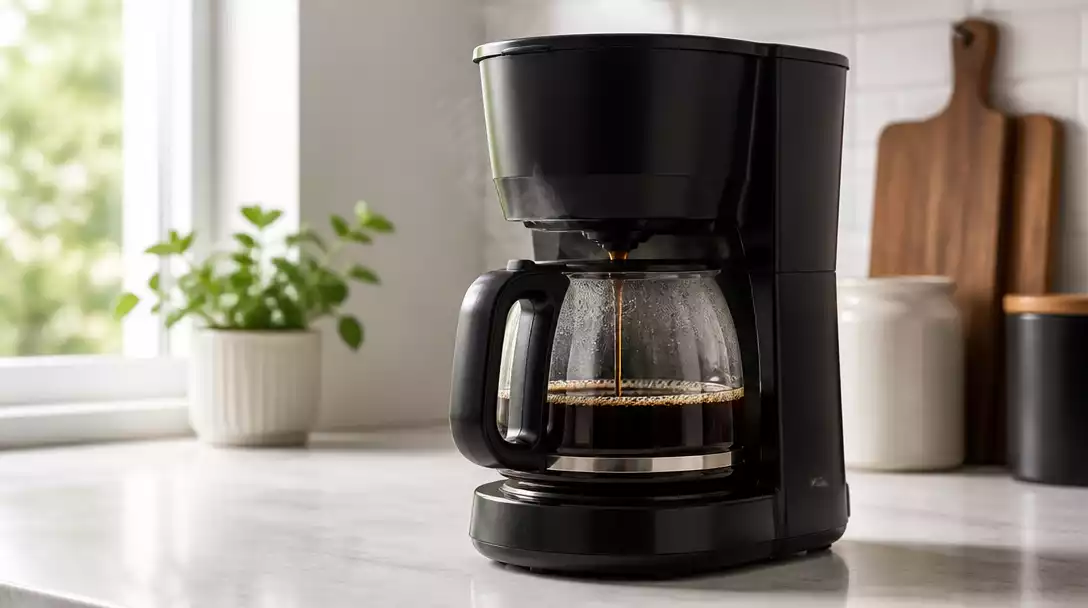
A drip coffee maker functions by heating water and dripping it over coffee grounds, allowing the brewed coffee to flow into a pot below. This method ensures that you extract the best flavors from your coffee beans, creating a delightful experience with every cup! For a deeper understanding of various coffee makers, explore how to use a coffee maker.
What is a Drip Coffee Maker and How Does It Work?
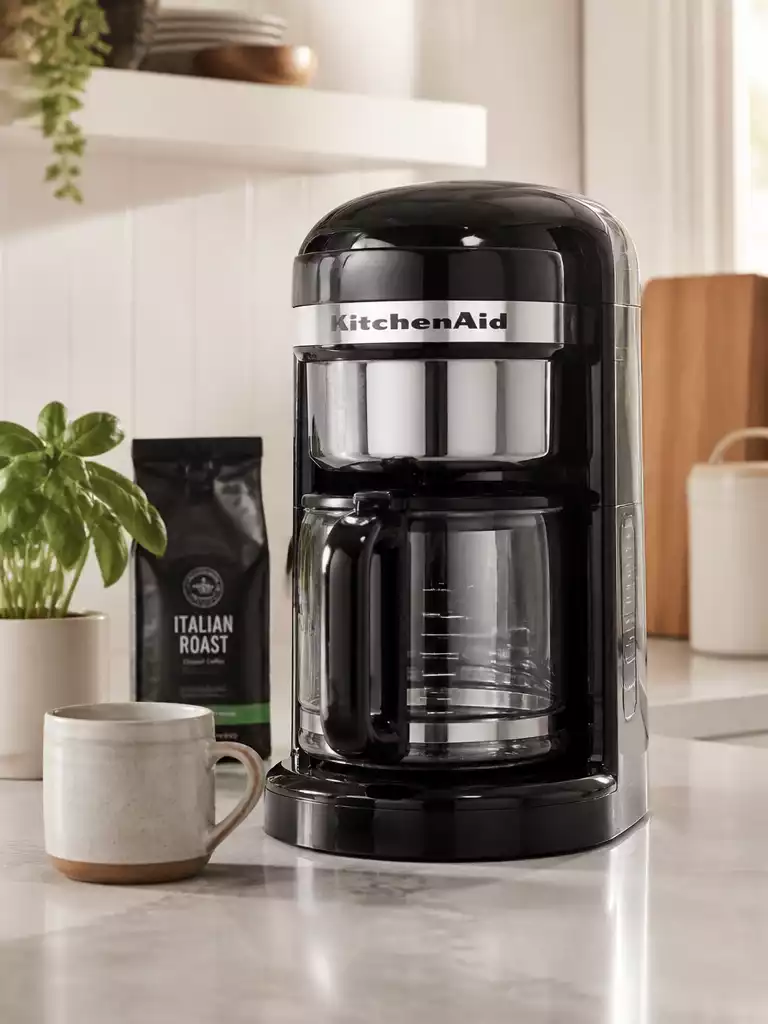
At its core, a drip coffee maker is designed to automate the brewing process. You fill the water reservoir, place coffee grounds in the brew basket, and turn the machine on. Within minutes, you have a freshly brewed pot of coffee. The simplicity of this method is what makes it ideal for busy mornings or casual gatherings!
- Heats water to the optimal temperature
- Drips water over coffee grounds
- Collects brewed coffee in a carafe
This straightforward design allows anyone to make great coffee—no barista skills required! Understanding how it all works helps you appreciate the art of brewing even more.
Key Components of a Drip Coffee Maker
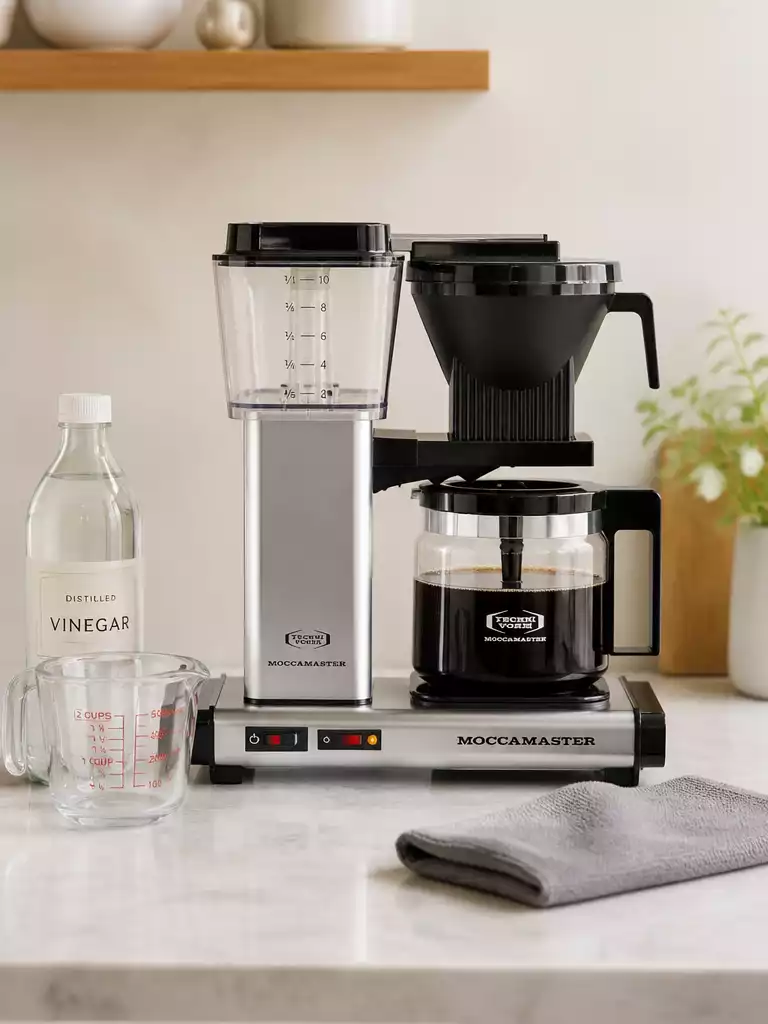
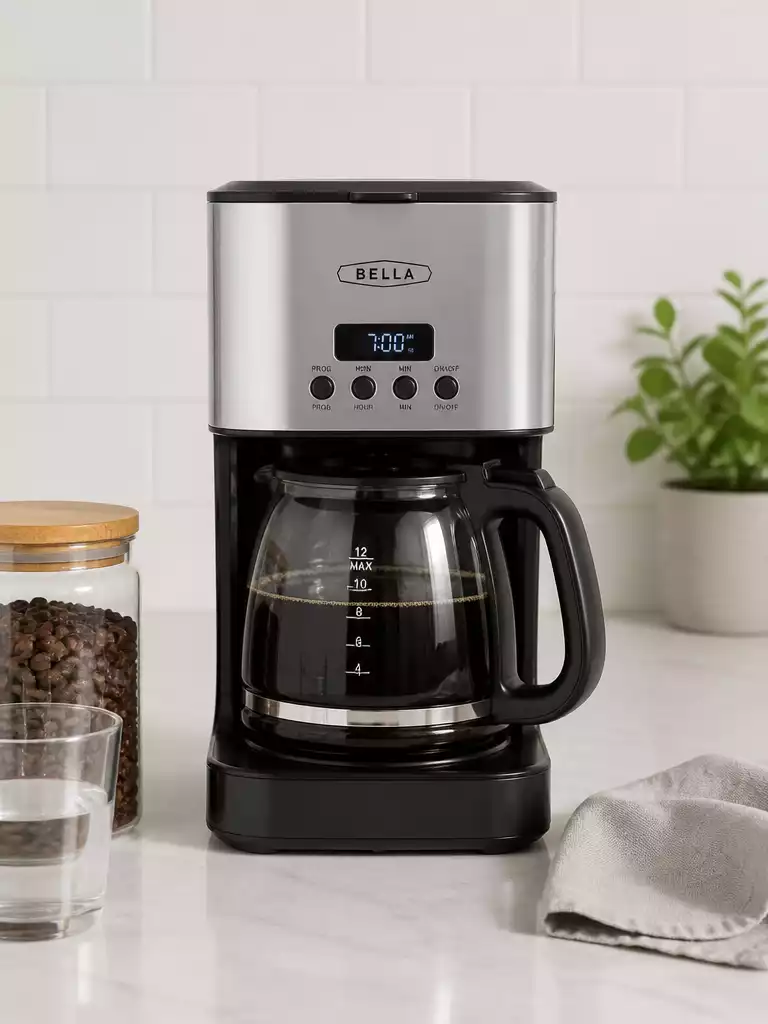
Familiarizing yourself with the main parts of a drip coffee maker can greatly enhance your brewing experience. Knowing how each component works will help you make adjustments for a better flavor.
- Water Reservoir: Holds the water that will be heated for brewing.
- Brew Basket: Where coffee grounds are placed to steep in hot water.
- Carafe: Collects the final brewed coffee for serving.
Each of these parts plays a vital role in the brewing process. For instance, a clean water reservoir ensures that you’re using the best possible water for your coffee.
Exploring the Role of the Water Reservoir and Brew Basket
The water reservoir is where your journey begins! It needs to be filled with fresh, cold water to start the brewing process. The brew basket, on the other hand, is where you’ll add your coffee grounds. Choosing the right grind size and quantity will affect the taste, so pay attention! If you’re encountering issues, you might find solutions in our guide on Cuisinart coffee maker not working.
Understanding Coffee Filters: Types and Their Impact on Flavor
Don’t underestimate the importance of coffee filters! They come in various types, including paper and metal, each imparting different flavors to your brew. While paper filters tend to trap more oils, metal filters allow for a fuller-bodied cup.
- Paper Filters: Easy to use and disposable, great for a clean taste.
- Metal Filters: Reusable, allowing oils to pass through for a richer flavor.
Choosing the right filter can make a surprising difference in your coffee experience. Experimenting with different types can be fun—just like discovering your favorite blend!
Pro Tip
Did you know? The grind size of your coffee beans can significantly impact the flavor profile of your brew. For a drip coffee maker, a medium grind is typically recommended to achieve the right balance of extraction and taste. Experiment with different grind sizes to find your perfect cup!
Summary of Key Takeaways for Using a Drip Coffee Maker
Using a drip coffee maker can be a delightful experience when you know the essentials! Here’s a quick recap of the brewing process to help you get the most out of your machine:
- Always start with clean equipment to ensure the best flavor.
- Measure your coffee grounds and water accurately to achieve the desired strength.
- Pay attention to the grind size and freshness of your coffee beans.
- Adjust your water-to-coffee ratio based on your taste preferences.
Remember, the key to a great cup of coffee lies in the balance of these elements. Experiment with different settings on your coffee maker to discover what works best for you!
Recap of the Brewing Process and Important Tips for Coffee Aficionados
As coffee lovers, we all appreciate the joy of a perfect brew. To make the process smoother, keep these tips in mind:
- Use a coffee scale to measure your coffee and water.
- Maintain a consistent water temperature for optimal extraction.
- Try different coffee bean varieties to explore new flavors.
- Don’t forget about the importance of quality water.
By following these steps, you’ll not only enhance your brewing skills but also enjoy a variety of tastes that drip coffee has to offer!
Frequently Asked Questions (FAQs)
- Q1: How does a drip coffee maker work?
- A1: A drip coffee maker heats water and then drips it over coffee grounds, allowing the brewed coffee to filter into a carafe below.
- Q2: What are the essential components of a drip coffee maker?
- A2: The key components are the water reservoir (holds water), brew basket (holds coffee grounds), and carafe (collects brewed coffee).
- Q3: What role do coffee filters play in brewing?
- A3: Coffee filters separate coffee grounds from the brewed liquid. Paper filters provide a cleaner taste by trapping oils, while metal filters allow more oils to pass through for a richer, fuller-bodied coffee.
- Q4: How important is grind size for drip coffee?
- A4: Grind size significantly impacts flavor. A medium grind is generally recommended for drip coffee makers to ensure optimal extraction and taste.
- Q5: What are some tips for brewing the best coffee with a drip maker?
- A5: Always use clean equipment, measure coffee and water accurately, pay attention to grind size and bean freshness, use quality water, and maintain consistent water temperature.
Encouragement to Experiment with Your Brew
Your drip coffee maker is a fantastic tool for experimentation! Don’t be afraid to play around with different ratios, brew times, and coffee types. That’s part of the fun of being a coffee enthusiast!
Getting the Most out of Your Drip Coffee Maker with Barista Tips
Here are some barista-approved tips to elevate your coffee game:
- Try cold brewing with your drip coffee maker for a smooth flavor.
- Incorporate spices like cinnamon or nutmeg for a unique twist.
- Store your coffee beans properly to retain freshness.
- Experiment with different brew strengths based on the time of day.
These little adjustments can make a *big* difference in your daily cup! So, have fun with it and find what best suits your palate. For specific maintenance, you might want to check out how to clean a drip coffee maker.
Join the Community: Share Your Coffee Journey and Discover Coffee Culture
Connecting with fellow coffee lovers can open up new doors in your coffee journey. Join online communities, attend local coffee events, or share your brewing adventures on social media!
- Follow coffee-related hashtags to find inspiration.
- Participate in coffee tasting events to refine your palate.
- Join forums to exchange tips and tricks with others.
By engaging with the coffee community, you can discover new methods, flavors, and friendships. Let’s brew something special together!
Recap of Key Points
Here is a quick recap of the important points discussed in the article:
- Always start with clean equipment to ensure the best flavor.
- Measure your coffee grounds and water accurately to achieve the desired strength.
- Pay attention to the grind size and freshness of your coffee beans.
- Adjust your water-to-coffee ratio based on your taste preferences.
- Use a coffee scale for precise measurements.
- Maintain consistent water temperature for optimal extraction.
- Experiment with different coffee bean varieties and brew strengths.