Did you know that the grind size of your coffee beans can drastically change the flavor of your brew? Understanding this crucial element can elevate your coffee experience to new heights.
What You Will Learn
- The grind size affects extraction rates, which significantly influences the flavor profile of your coffee.
- Choosing whole beans over pre-ground coffee preserves freshness and allows for better flavor customization.
- Maintaining a consistent grind size is essential for achieving balanced flavors in your cup.
- Adjusting grind size can rectify common coffee issues, such as bitterness or weakness in flavor.
- Storing beans properly and using fresh ones can greatly enhance the aroma and taste of your coffee.
How to Grind Coffee Beans at Home
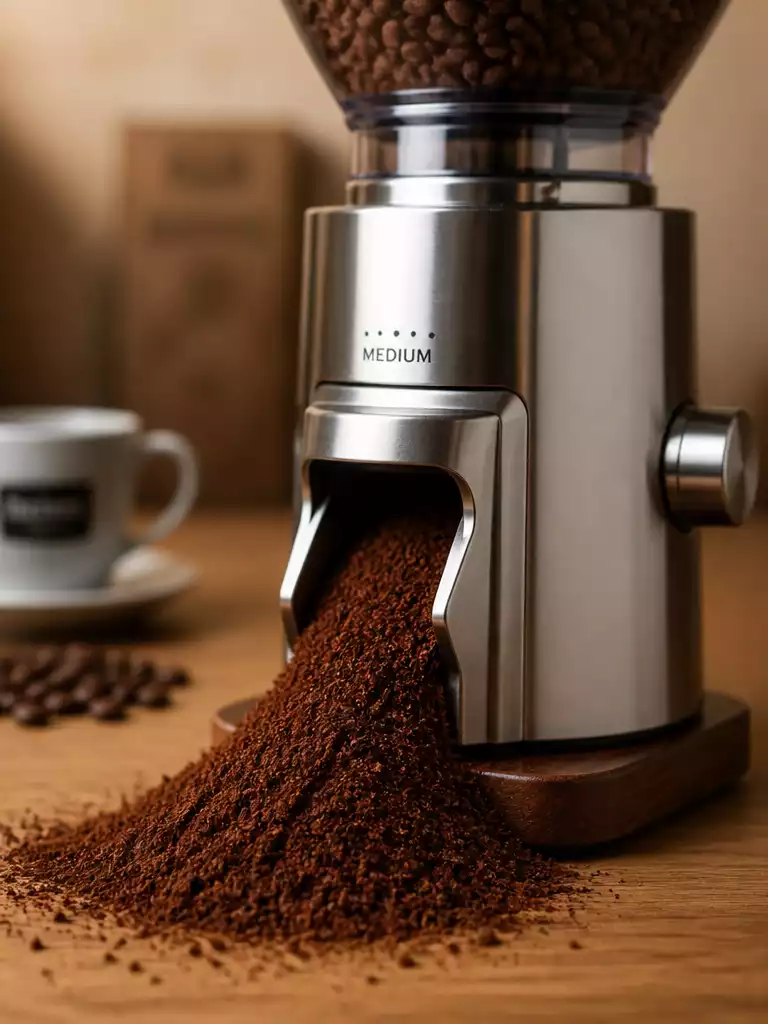
Grinding coffee beans at home is an essential part of brewing a great cup! The grind size plays a crucial role in the extraction process, affecting the flavor profile of your coffee significantly. If the grind is too coarse, your coffee might taste weak, while a fine grind can lead to a bitter brew. Getting it just right is the key to unlocking the full potential of your favorite beans.
When we grind coffee, we’re altering the surface area that’s exposed to water during brewing. This exposure affects how quickly and evenly the flavors extract. Ideally, a consistent grind size will enhance the overall taste experience, making each cup more enjoyable. Think of it as the foundation of your coffee-making process!
The Importance of Consistent Grind Size for Flavor
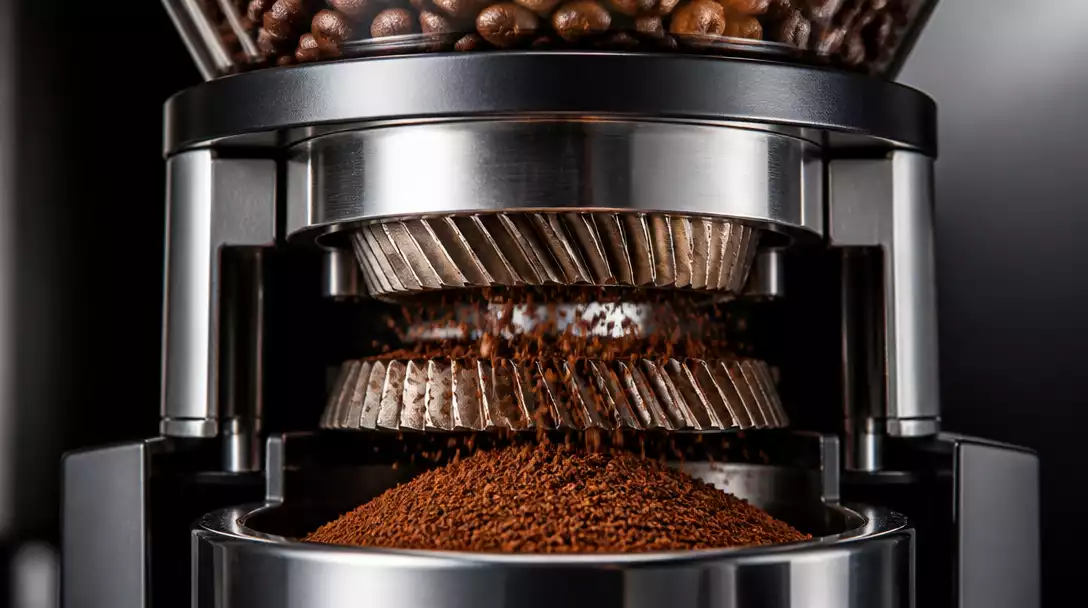
Maintaining a consistent grind size is vital for achieving that perfect cup. Here are some critical points to consider:
- Extraction Rate: Different grind sizes extract flavors at different rates. A uniform grind ensures that each particle contributes to the overall flavor.
- Brewing Method Compatibility: Each method, from espresso to French press, requires a specific grind size for optimal extraction. For example, knowing how to grind coffee for a French press is crucial for a balanced brew.
- Flavor Profile: Variations in grind size can lead to imbalances in taste, impacting acidity, sweetness, and bitterness.
During my coffee journey, I’ve noticed that taking the time to achieve a consistent grind size pays off. Each cup becomes a new adventure of flavors waiting to be explored!
Exploring Different Types of Coffee Beans: Whole Beans vs. Ground Coffee
When it comes to coffee, the debate often centers around whole beans versus pre-ground coffee. Choosing whole beans can make a remarkable difference in flavor and freshness. Here’s why I always prefer whole beans when I can:
- Freshness: Whole beans retain their essential oils and flavors longer than pre-ground options.
- Control Over Grind Size: Grinding at home allows you to choose the perfect grind size for your brew method.
- Customization: You can experiment with different roast levels and origins for a unique flavor profile.
While pre-ground coffee may be convenient, it often lacks the rich flavors you can achieve by grinding at home. Trust me; the difference is worth the extra effort! Your coffee will taste fresher, brighter, and more complex.
Pro Tip
Did you know? Using a burr grinder instead of a blade grinder can greatly improve the consistency of your coffee grind. This is because burr grinders crush the beans uniformly, leading to a more even extraction and a better-tasting cup of coffee!
Ensuring Quality Coffee: Troubleshooting Common Grinding Issues
When it comes to brewing coffee, the grind size can truly make or break your experience! If you find your coffee is consistently bitter or weak, don’t fret—there are solutions we can explore. The grind size plays a crucial role in extraction, influencing how flavors are released during brewing.
First, let’s look at some common factors that might be affecting your cup:
- Too fine of a grind can lead to over-extraction, resulting in bitterness.
- A grind that is too coarse may cause under-extraction, leading to a weak flavor.
- Inconsistent grind size can also impact extraction, creating uneven flavors.
Adjusting your grind size is often the most straightforward fix. If your coffee is too bitter, try switching to a coarser grind, and if it’s too weak, go finer!
How to Fix Bitter or Weak Coffee: Grinding Solutions
To tackle bitter or weak coffee, we can implement a few simple adjustments. Here’s a quick list of steps to follow:
- Assess your grind size—make it finer for weak coffee or coarser for bitter coffee.
- Check your brewing time; longer brewing may lead to bitterness.
- Experiment with water temperature; too hot can also cause bitterness.
- Ensure your coffee-to-water ratio is balanced—this is key for achieving harmony in flavor!
By experimenting with these adjustments, you can find the balance that works for your palate!
Understanding the Role of Coffee Freshness in Grinding
Another vital aspect is the freshness of your coffee beans. The fresher the beans, the better the flavor! Stale beans can lead to dull and lifeless coffee, no matter your grind size or method. Here are some tips for keeping your beans fresh:
- Store beans in an airtight container in a cool, dark place.
- Avoid exposing them to moisture or direct sunlight to maintain their quality.
- Consider buying whole beans in smaller quantities to ensure you’re always working with fresh coffee. For tips on storage, you might want to learn how to store ground coffee properly if you can’t always grind fresh.
By focusing on the freshness of your beans, you can significantly enhance your coffee’s flavor and aroma—making each cup a delightful experience!
Frequently Asked Questions (FAQs)
- Q: Why is grind size so important for coffee flavor?
- A: Grind size directly affects the extraction rate. A correct grind ensures optimal flavor extraction, preventing coffee from being too weak (under-extracted) or too bitter (over-extracted).
- Q: Is it better to buy whole beans or pre-ground coffee?
- A: Whole beans are generally preferred because they retain their freshness, essential oils, and flavors longer. Grinding them just before brewing allows for better control over grind size and a more customized, fresher taste.
- Q: How can I tell if my coffee grind size is consistent?
- A: A consistent grind will have particles that are uniform in size. Using a burr grinder is recommended over a blade grinder for superior consistency, which leads to more balanced extraction and flavor.
- Q: What should I do if my coffee tastes bitter?
- A: If your coffee tastes bitter, it’s likely over-extracted. Try using a coarser grind size, reducing your brewing time, or lowering your water temperature slightly.
- Q: What should I do if my coffee tastes weak?
- A: If your coffee tastes weak, it’s likely under-extracted. Try using a finer grind size, increasing your brewing time, or ensuring your coffee-to-water ratio is balanced.
- Q: How does freshness impact coffee flavor?
- A: Freshness is crucial because coffee beans contain volatile aromatic compounds that degrade over time. Freshly ground beans yield a more vibrant aroma and complex flavor profile. Proper storage in an airtight container in a cool, dark place helps preserve freshness. You can also learn more about how to maintain your coffee grinder to ensure consistent performance and fresh results.
Recap of Key Points
Here is a quick recap of the important points discussed in the article:
- Grinding coffee beans at home is essential for achieving the desired flavor profile.
- A consistent grind size is crucial for even extraction and balanced flavor.
- Whole beans retain freshness and allow for customization in grind size and flavor.
- Address common grinding issues by adjusting grind size and brewing parameters.
- Keep coffee beans fresh by storing them in an airtight container and in a cool, dark place.
Pingback: How To Coarse Grind Coffee
Pingback: How To Grind Coffee For Paper Filter
Pingback: How To Grind Coffee For Cold Brew
Pingback: How To Grind Coffee Beans For Espresso
Pingback: How To Grind Coffee For Drip Coffee
Pingback: How To Grind Coffee For Moka Pot