Did you know that the grind size of your coffee can dramatically influence its flavor and aroma? Understanding coarse grinding can be the key to unlocking a perfectly brewed cup.
What You Will Learn
- Coarse grind coffee is characterized by a texture similar to coarse sea salt, which facilitates slower extraction during brewing.
- Grind consistency is crucial; uneven grinding can lead to imbalanced flavor and aroma in your coffee.
- Different grind sizes are better suited for specific brewing methods, such as coarse for French press and cold brew.
- Using a burr grinder ensures better consistency and precision in achieving the desired grind size.
Coarse Grinding: What It Is and Why It Matters
Coarse grinding is a crucial step in the coffee-making process that can greatly influence your brew’s flavor and aroma. By selecting the right grind size, you not only enhance the coffee’s characteristics but also ensure a balanced extraction. This section dives into what coarse grind coffee really means and why it deserves your attention.
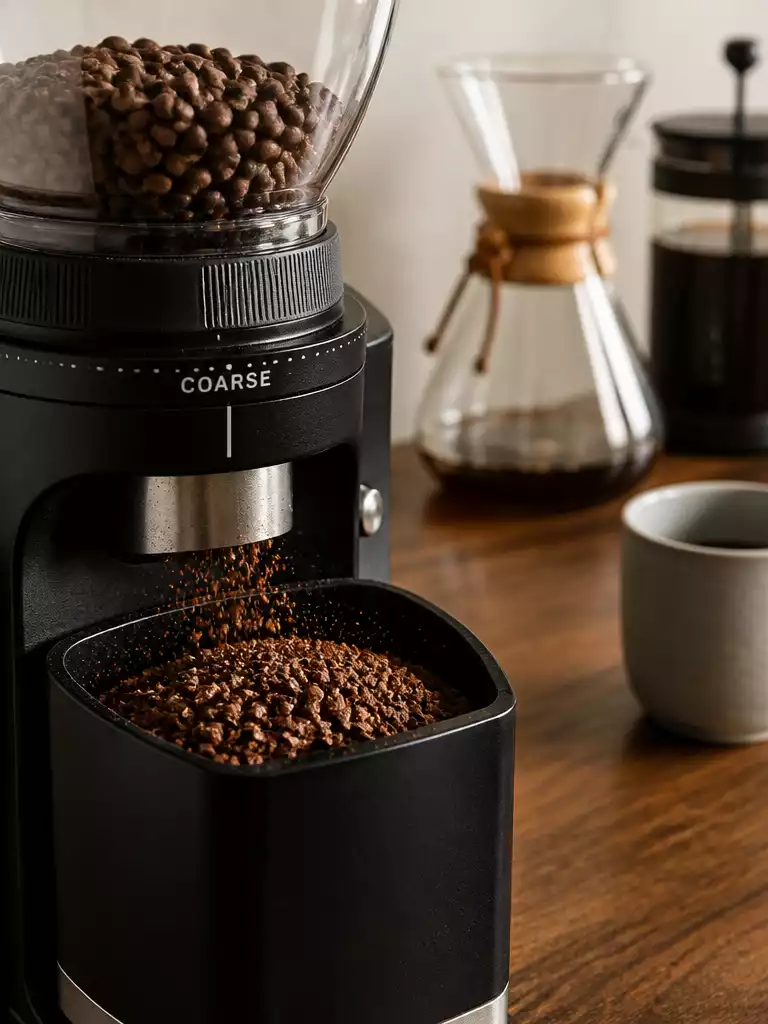
When we talk about a coarse grind, we’re referring to a texture that is chunkier than fine sand but not as large as whole beans. The visual characteristics of a coarse grind can significantly impact how your coffee tastes. It’s important to recognize these differences to optimize your brewing.
Defining Coarse Grind Coffee: Texture and Visual Characteristics
Let’s break down what makes a coarse grind unique. The size typically ranges from that of coarse sea salt to larger granules, resembling rough sand. This size allows for a slow extraction process, which is why many brewing methods favor it.
- Texture: Coarse, resembling sea salt or rough sand
- Visual: Larger granules with noticeable spaces between them
- Extraction: Ideal for slower brew methods that require more contact time with water
When you see a pile of coarse coffee grounds, you should be able to easily identify the individual pieces. This granularity not only affects the brewing time but also the overall strength and flavor profile of your cup.
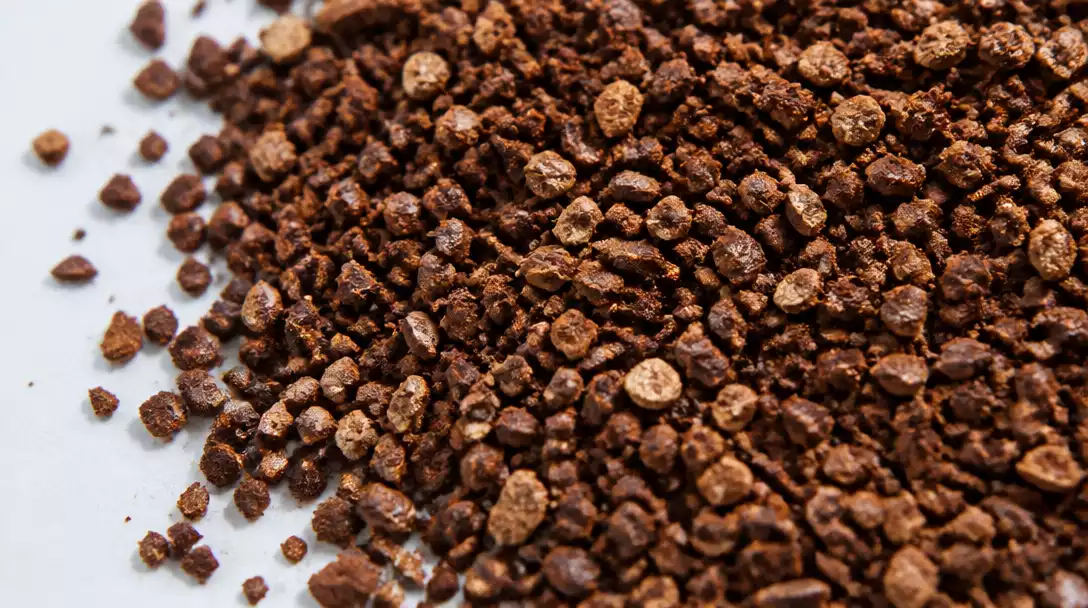
Comparing Grind Sizes: From Sea Salt to Rough Sand
Grind sizes can be confusing, especially when you think about the varying terms used in the coffee world. For coarse grind, it helps to visualize the difference:
- Coarse Grind: Similar in size to coarse sea salt
- Medium Grind: The texture of granulated sugar
- Fine Grind: Comparable to table salt or flour
Understanding these sizes is essential for choosing the right brewing method, as each grind interacts differently with water. To learn more about the grinding process itself, check out our guide on how to grind coffee beans effectively.
Visual Analogies: How to Evaluate Coarse Coffee Grind
To better evaluate coarse coffee grounds, consider using everyday items as a reference. For instance, the size of a coarsely ground coffee bean is akin to the grains of table salt. This analogy helps in visualizing what a proper coarse grind should look like. Trust me, once you get the hang of it, you’ll feel more confident selecting the right grind size.
Another useful comparison is to think of coarse grounds as resembling breadcrumbs. They maintain their form rather than turning into a fine powder, which is crucial for achieving a balanced brew.
The Science Behind Grind Consistency and Aroma
The grind size goes beyond aesthetics; it plays a significant role in flavor extraction. A consistent grind allows for even extraction during brewing, which enhances the coffee’s aroma and taste. When your grind is uneven, some particles may over-extract while others under-extract, leading to an imbalanced cup.
- Even Extraction: Key to flavor balance
- Optimal Aroma Release: More surface area allows for better aroma diffusion
- Brewing Temperature: Affects extraction rates depending on grind size
By focusing on grind consistency, you’re not just enhancing your coffee experience; you’re also diving deeper into the science of brewing. It’s rewarding to see how these factors influence the final cup!
Pro Tip
Did you know that the temperature of the water used during brewing can significantly affect the extraction of flavors from your coarse grind? Aim for a water temperature of around 200°F (93°C) for optimal results. Too hot, and you risk over-extraction, leading to bitterness; too cool, and you may under-extract, resulting in a weak flavor. Finding that sweet spot will enhance your coffee experience!
Frequently Asked Questions About Coarse Grinding Coffee
Here are some common questions about coarse grinding coffee to further enhance your understanding and brewing practices.
- What does “coarse grind” mean for coffee?
A coarse grind refers to coffee grounds with a texture similar to coarse sea salt or rough sand. This larger particle size is ideal for brewing methods that require a longer extraction time. - Why is grind consistency important?
Consistent grind size ensures even extraction of flavors and aromas from your coffee. Uneven grinds can lead to some particles over-extracting (resulting in bitterness) and others under-extracting (resulting in a weak, sour taste). - Which brewing methods are best for coarse grind coffee?
Coarse grind coffee is best suited for brewing methods like French press and cold brew, which benefit from longer contact times between the coffee and water. - What is the ideal water temperature for brewing coarse grind coffee?
For optimal results, aim for a water temperature around 200°F (93°C) when brewing coarse grind coffee. This temperature helps achieve balanced extraction without bitterness or weakness. - Should I use a burr grinder or a blade grinder for coarse coffee?
A burr grinder is highly recommended for coarse coffee as it provides a more consistent and precise grind. Blade grinders tend to chop beans unevenly, leading to inconsistent extraction.
Recap: Key Takeaways for Coarse Grinding Coffee
When it comes to making the perfect cup of coffee, coarse grinding is crucial. The grind texture directly impacts how your brew will taste and how well it will extract flavors. Remember, the coarser the grind, the longer you typically steep, which can enhance the overall flavor profile of your coffee.
Whether you’re using a French press or cold brew method, recognizing the right grind size will ensure your coffee isn’t too bitter or weak. By paying attention to the texture and visual cues, you can brew a consistently delicious cup!
Grind Texture and Brew Compatibility
- Coarse Grind: Ideal for French press and cold brew. If you’re specifically looking to master this method, consider reading our guide on how to grind coffee for French press.
- Medium Grind: Great for drip coffee makers.
- Fine Grind: Perfect for espresso and Aeropress.
Matching your grind texture with the brewing method is essential for achieving the flavor you’re looking for. For example, a coarse grind will provide a full-bodied flavor when brewed with a French press, while a finer grind might lead to over-extraction if used in the same method.
Optimizing Your Grinding Technique for Best Results
To get the most out of your coffee, focus on your grinding technique. Using the right grinder is key. I prefer a burr grinder for consistent results. It allows for precise adjustments to grind size, ensuring that you can fine-tune your coffee experience.
- Choose a Burr Grinder: For better grind consistency.
- Adjust Settings: Based on your brewing method.
- Monitor Grinding Time: Avoid overdoing it for a balanced flavor.
Remember, the goal is to enhance your coffee journey. Experiment with different settings and adjust as needed based on your taste preferences. It’s all about finding what works best for you and enjoying the process! To ensure your grinder performs well over time, learn how to maintain your coffee grinder regularly.
Engage with Your Coffee Journey: Next Steps and Resources
Now that you have a solid understanding of coarse grinding and brewing techniques, it’s time to dive deeper into the world of coffee! There are many resources and communities out there that can enhance your knowledge and engagement with this delightful beverage.
Explore Your Grinder Settings: Practical Comparison Tables
Understanding your grinder settings can transform your coffee experience. Below is a simple comparison of grind sizes and their ideal brewing methods:
| Grind Size | Ideal Brewing Method | Brewing Time |
|---|---|---|
| Coarse | French Press, Cold Brew | 4-12 hours |
| Medium | Drip Coffee | 5-6 minutes |
| Fine | Espresso | 20-30 seconds |
Use this table as a quick guide to understand how your grind size impacts brewing. It’s a great way to ensure you’re getting the best flavor from your coffee!
Discover Coffee Communities: Engage with Enthusiasts and Experts
Engaging with coffee communities can be incredibly rewarding. Here are some ways to connect:
- Join Online Forums: Share experiences and learn from others.
- Attend Local Coffee Workshops: Gain hands-on experience and insights.
- Follow Coffee Influencers: Get tips and inspiration from experts in the field.
Connecting with fellow coffee enthusiasts can provide valuable insights and inspiration for your brewing journey. Don’t hesitate to reach out!
Learn About Specialty Coffee: Resources for Home Baristas
If you’re looking to elevate your coffee game, consider exploring specialty coffee resources. Here are some recommendations:
- Books: “The World Atlas of Coffee” offers a deep dive into various coffee origins and brewing techniques.
- Websites: Visit specialty coffee blogs for the latest trends and tips.
- Online Courses: Enroll in courses that focus on brewing techniques, tasting, and coffee origins.
Investing time in these resources can help you become a more knowledgeable and passionate home barista. Happy brewing!
Recap of Key Points
Here is a quick recap of the important points discussed in the article:
- Coarse grind coffee has a texture similar to coarse sea salt, allowing for slower extraction and a balanced brew.
- Understanding grind sizes (coarse, medium, fine) is essential for choosing the right brewing method and achieving optimal flavor.
- Using a burr grinder helps maintain consistency and allows for precise adjustments to grind size for different brewing techniques.
- Matching grind texture with brewing method enhances flavor; coarse grind is ideal for French press and cold brew.
- Experimenting with grinding techniques and settings can elevate your coffee experience and cater to personal taste preferences.