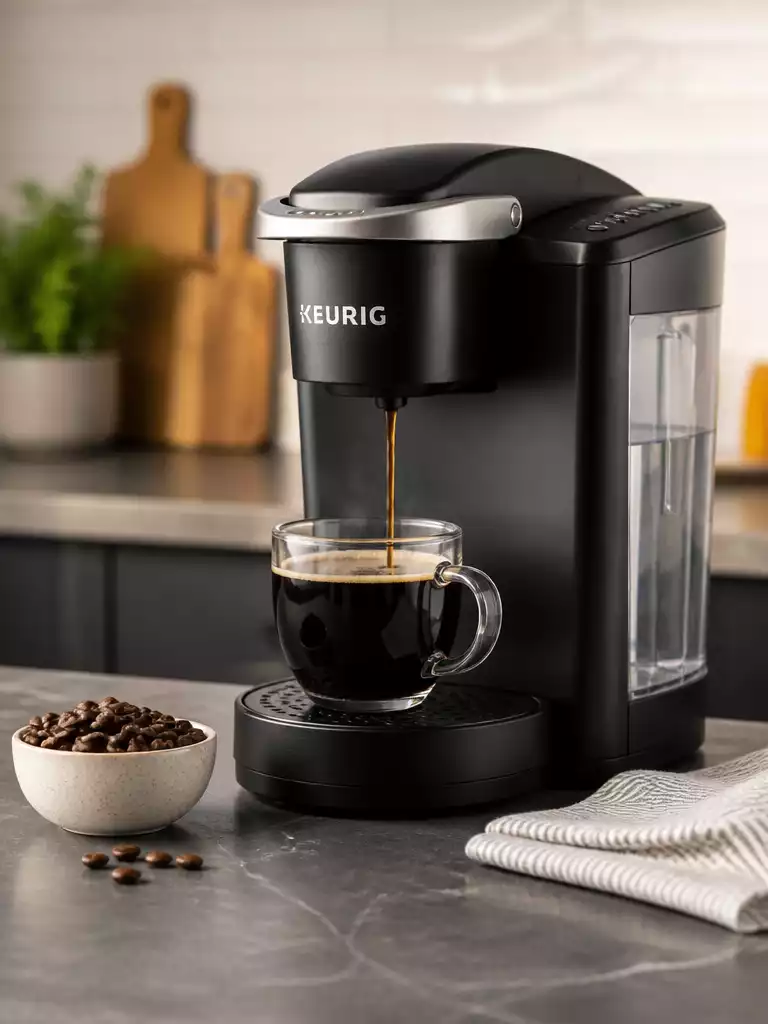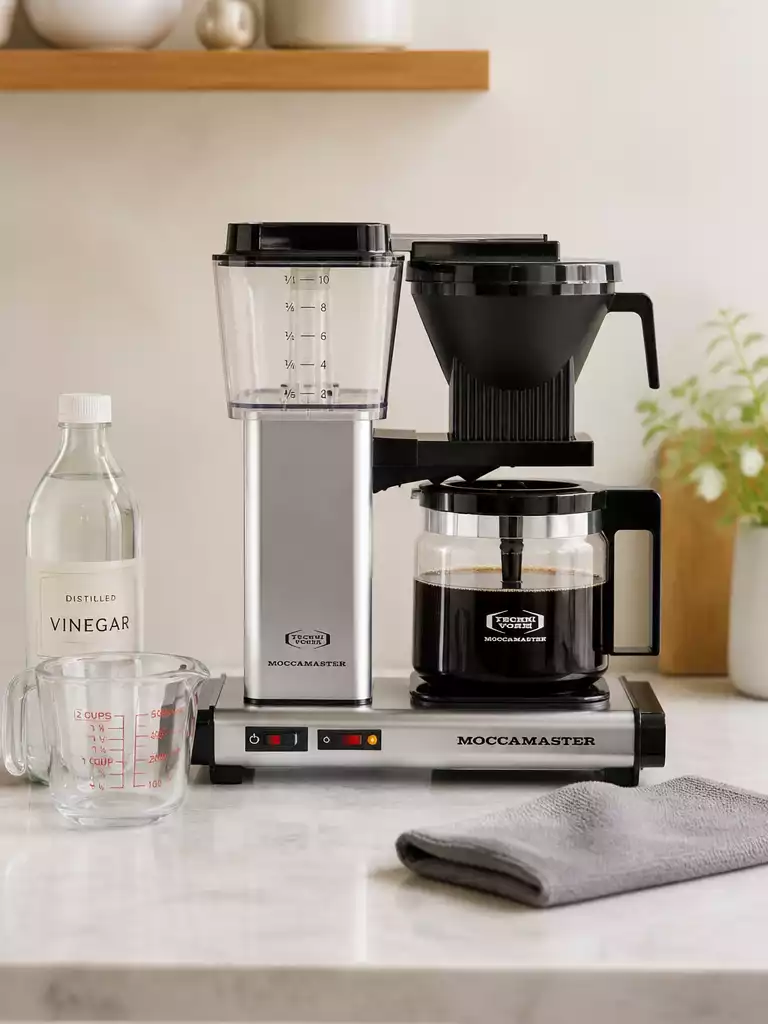
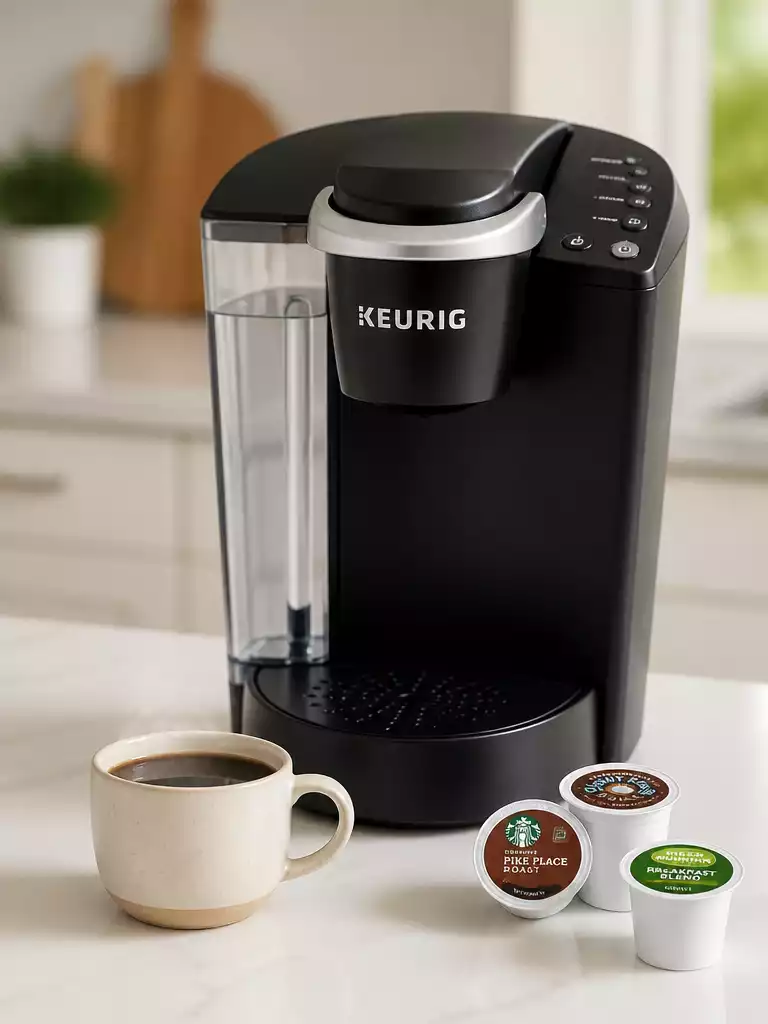
Regular maintenance of your Keurig can drastically enhance its performance and extend its lifespan. By understanding the symptoms of clogs, you’re well on your way to brewing your favorite coffee without interruptions.
What You Will Learn
- Common symptoms of a clogged Keurig include slow brewing, no water flow, and unusual sounds.
- Needle clogs and mineral buildup are frequent culprits for clogs in your coffee maker.
- Regular descaling is essential to prevent mineral deposits from affecting performance.
- Implementing a consistent maintenance schedule can lead to a smoother coffee experience.
Causes of Clogs in Your Keurig Coffee Maker
Knowing the causes of clogs in your Keurig coffee maker is essential for keeping it running smoothly. It’s frustrating to wake up and find that your beloved coffee machine is acting up. Fortunately, understanding the symptoms can help you diagnose problems quickly and efficiently.
Common signs of clogging include slow brewing, strange noises, and no water flow at all. If you notice that your brew time has increased significantly or your coffee is just not coming out, it’s time to check for blockages!
Identifying Common Symptoms of a Clogged Keurig
Recognizing the symptoms of a clogged Keurig can save you time and hassle. Here are some typical indicators:
- Slow Brewing: If your coffee takes longer than usual to brew, there may be a clog.
- No Water Flow: A complete lack of water coming through the machine is a clear sign of trouble.
- Unusual Sounds: If your Keurig makes gurgling or grinding noises, it might be struggling with a blockage.
By paying attention to these signs, you can identify a clog before it becomes a bigger issue. Early detection goes a long way in maintaining your coffee maker!
Diagnosing the Source of the Clog
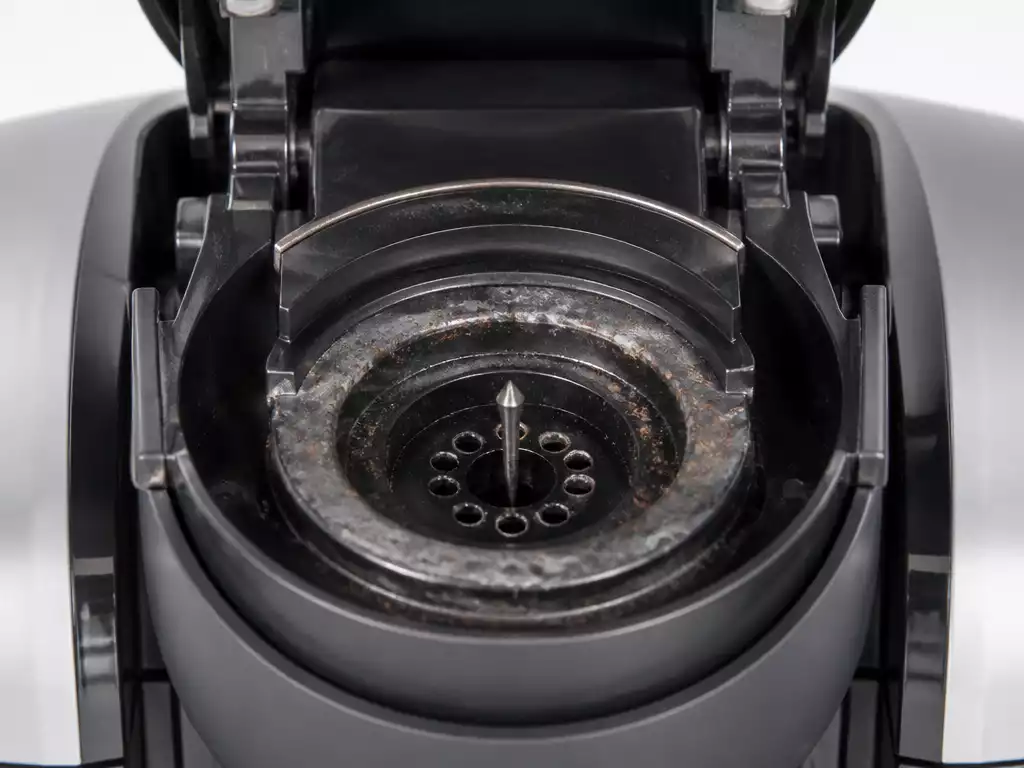
Once you’ve identified symptoms, the next step is to diagnose the source of the clog. There are several common culprits:
- Needle Clogs: The brew needle can become blocked with coffee grounds.
- Mineral Buildup: Hard water can lead to scale formation, which can obstruct water flow.
- Pump Failures: Sometimes, the pump itself may malfunction, preventing water from circulating correctly.
Understanding these potential causes will help you take the right steps to restore your coffee maker’s functionality. Don’t stress—most issues can be resolved with a little DIY effort!
Understanding the Role of Mineral Deposits in Clogging
Mineral deposits from hard water are a major factor in clogging your Keurig coffee maker. Over time, these deposits accumulate and create scale buildup within the machine.
This scale can significantly hinder performance, leading to a reduced flow of water and even permanent damage if left unchecked. Regular descaling is crucial for anyone who uses their Keurig frequently.
By being proactive about addressing mineral deposits, you can extend the life of your machine and ensure that every cup of coffee you brew is as good as the last!
Pro Tip
Did you know? Regularly using filtered water in your Keurig can significantly reduce mineral buildup, enhancing your coffee’s flavor and extending the lifespan of your machine. Consider investing in a water filter or using bottled water to keep your brews tasting fresh!
Frequently Asked Questions About Keurig Maintenance
Q1: What are the primary signs of a clogged Keurig?
A1: The primary signs include slow brewing, a complete lack of water flow, and unusual gurgling or grinding noises coming from the machine.
Q2: What causes most Keurig clogs?
A2: Most Keurig clogs are caused by needle clogs (from coffee grounds) and mineral buildup (scale) from hard water. Pump failures can also be a cause, though less common for simple clogs.
Q3: How important is descaling for Keurig maintenance?
A3: Descaling is crucial for Keurig maintenance, especially if you use hard water. Mineral deposits can accumulate and significantly reduce water flow and performance, potentially causing permanent damage if not regularly addressed.
Q4: Can using filtered water prevent clogs?
A4: Yes, using filtered water significantly reduces mineral buildup, which is a major cause of clogs. This can enhance your coffee’s flavor and extend the lifespan of your Keurig machine.
Wrapping Up Your Keurig Maintenance Journey
As we conclude our exploration of maintaining your Keurig coffee maker, it’s important to recap the essential steps we’ve taken to ensure your machine is back to brewing your favorite coffee seamlessly. We covered a variety of methods to identify clogs, disassemble parts for cleaning, and even how to descale effectively. By following these steps, you’re setting the stage for a smoother, more enjoyable coffee experience!
- Identify symptoms of clogging, such as slow brewing.
- Use a paper clip to clean the brew needle.
- Descale your machine regularly with vinegar or a suitable descaling solution.
- Implement routine maintenance for optimal performance.
Each of these steps is crucial to keeping your Keurig in top shape. Remember, regular attention can prevent those frustrating clogs that disrupt your daily coffee ritual!
Call to Action: Maintain and Enjoy Your Perfect Brew
Now that you’re equipped with the knowledge to maintain your Keurig, I encourage you to implement these regular maintenance tips right away! Keeping a consistent cleaning and descaling schedule will enhance the longevity of your machine and improve the taste of your brews. Share your experiences with us; I love hearing how others tackle their coffee maker challenges!
- Create a cleaning schedule based on your usage.
- Experiment with different descaling solutions to find your favorite.
- Join our community online to learn and share tips!
Let’s keep those coffee grounds flowing and ensure every cup is as good as the last!
Exploring Other Common Keurig Issues and Solutions
Beyond clogs, there are several other issues that might pop up with your Keurig. Being aware of these can help you act quickly and get your coffee machine back on track. Some common performance issues you might encounter include:
- Inconsistent brewing temperatures.
- Water leakage from the machine.
- Brewing failures or error messages.
If you notice any of these symptoms, don’t hesitate to tackle them head-on! Many fixes are straightforward, just like unclogging. For more complicated issues, consulting a professional or referencing your user manual can be invaluable. Remember, I’m always here to help guide you through your Keurig maintenance journey!
Recap of Key Points
Here is a quick recap of the important points discussed in the article:
- Identify symptoms of clogging, such as slow brewing and no water flow.
- Clean the brew needle using a paper clip to remove blockages.
- Descale your machine regularly with vinegar or a suitable descaling solution to prevent mineral buildup.
- Implement routine maintenance to ensure optimal performance and longevity of your coffee maker.
- Stay aware of other common issues like inconsistent brewing temperatures and water leakage.