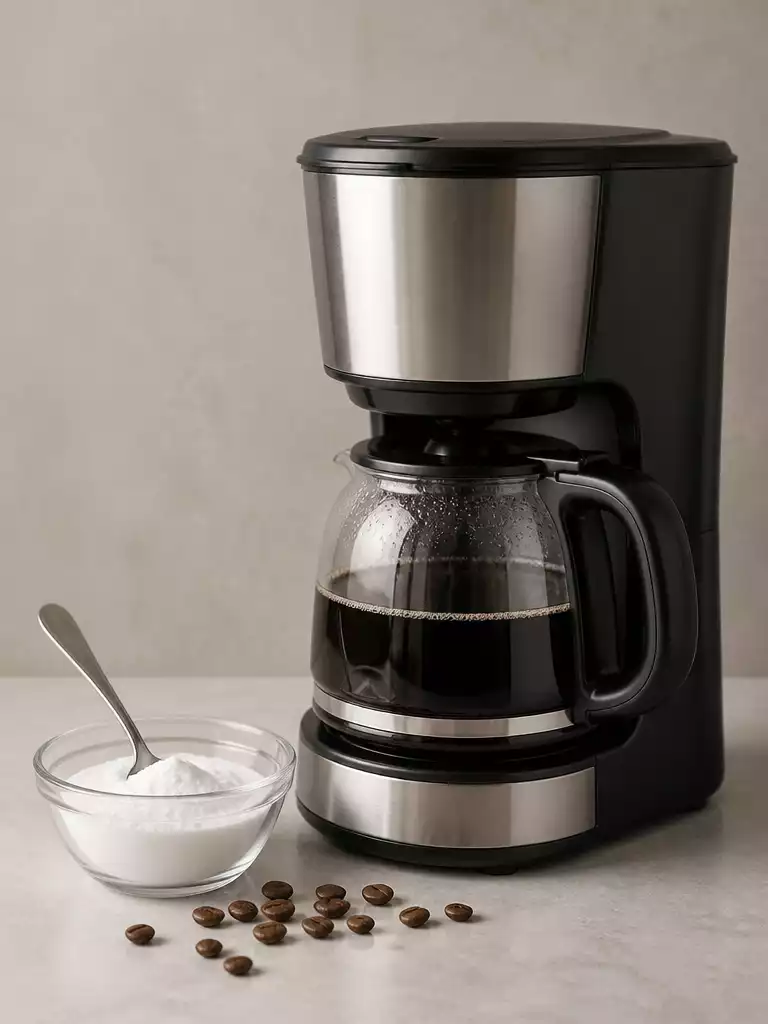
As you enjoy your morning brew, have you ever considered the hidden layers of flavor that could be compromised by a dirty coffee maker? Understanding the importance of cleanliness not only enhances the taste but can also extend the life of your machine. Dive into the transformative power of baking soda and embrace a cleaner coffee experience!
What You Will Learn
- Baking soda is an eco-friendly, non-toxic cleaner that effectively eliminates odors and residue.
- Regular maintenance, such as monthly deep cleaning, significantly improves coffee taste and machine longevity.
- Having essential supplies ready, like baking soda and warm water, streamlines the cleaning process.
- Comparing cleaning methods helps you choose the best option for your needs, balancing effectiveness and safety.
Effective Techniques for Cleaning Your Coffee Maker with Baking Soda
Cleaning your coffee maker is essential for ensuring each cup of coffee tastes its best. One of the most effective and eco-friendly solutions is baking soda. Not only is it gentle on your machine, but it also effectively eliminates odors and residue that can accumulate over time. In this section, we’ll explore why baking soda is a top choice and how it can keep your coffee maker in tip-top shape!
As a coffee enthusiast, I know firsthand how a clean coffee maker can improve the taste of your brew. Using baking soda is not just about cleanliness; it’s about enhancing your coffee experience. Let’s dive into its benefits!
Understanding the Benefits of Baking Soda for Coffee Maker Maintenance
Baking soda is a powerhouse when it comes to cleaning. It’s non-toxic, readily available, and incredibly effective at breaking down grime. Most importantly, it helps maintain the integrity of your coffee maker without harsh chemicals that might leave unpleasant residues. Here are a few reasons why baking soda stands out:
- Gentle on your coffee maker, preventing damage to internal components.
- Environmentally friendly, making it a safe choice for your household.
- Cost-effective compared to commercial cleaning products.
By choosing baking soda over traditional cleaning agents, you’re not only protecting your coffee maker but also contributing positively to the environment. It’s a win-win!
Why Choose Baking Soda Over Other Cleaning Agents?
While there are many cleaning agents available, baking soda offers unique advantages. It’s an all-natural deodorizer that doesn’t just mask odors but neutralizes them. This means your coffee will taste fresher, and you won’t get those lingering tastes from previous brews. Additionally, many commercial cleaners can be harsh and may leave residues that affect the flavor of your coffee.
So, if you’re looking for a safe, effective option, baking soda is definitely your best bet!
How Baking Soda Improves Taste and Removes Odors
When you brew coffee, oils and minerals from the coffee grounds can build up over time, creating unpleasant tastes and odors. Baking soda combats this by breaking down those residues, leading to a cleaner tasting cup. It works wonders on the internal components, ensuring that each sip is as delicious as the first!
Using baking soda is simple and effective. Just a little bit mixed with water can go a long way in restoring your coffee maker’s performance. With that said, let’s move on to gathering the essential supplies you’ll need for this cleaning process!
Essential Supplies for Cleaning Your Coffee Maker
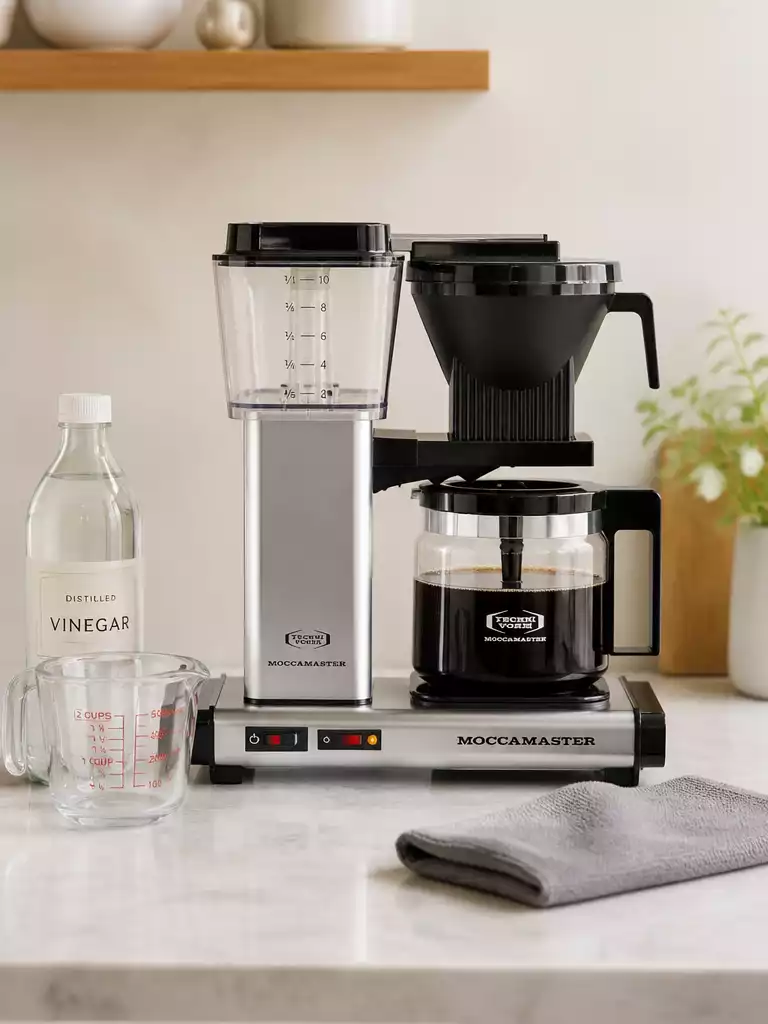
Before you start the cleaning process, it’s important to have everything you need ready to go. A well-prepared workspace makes the entire experience much smoother. Here’s a quick checklist of the essential supplies:
- Baking soda
- Warm water
- A sponge or soft cloth
- A measuring cup
- White vinegar (optional for extra cleaning power)
Having all these items on hand will ensure you don’t have to stop midway through. Consistency is key for effective cleaning, and being prepared makes it easier!
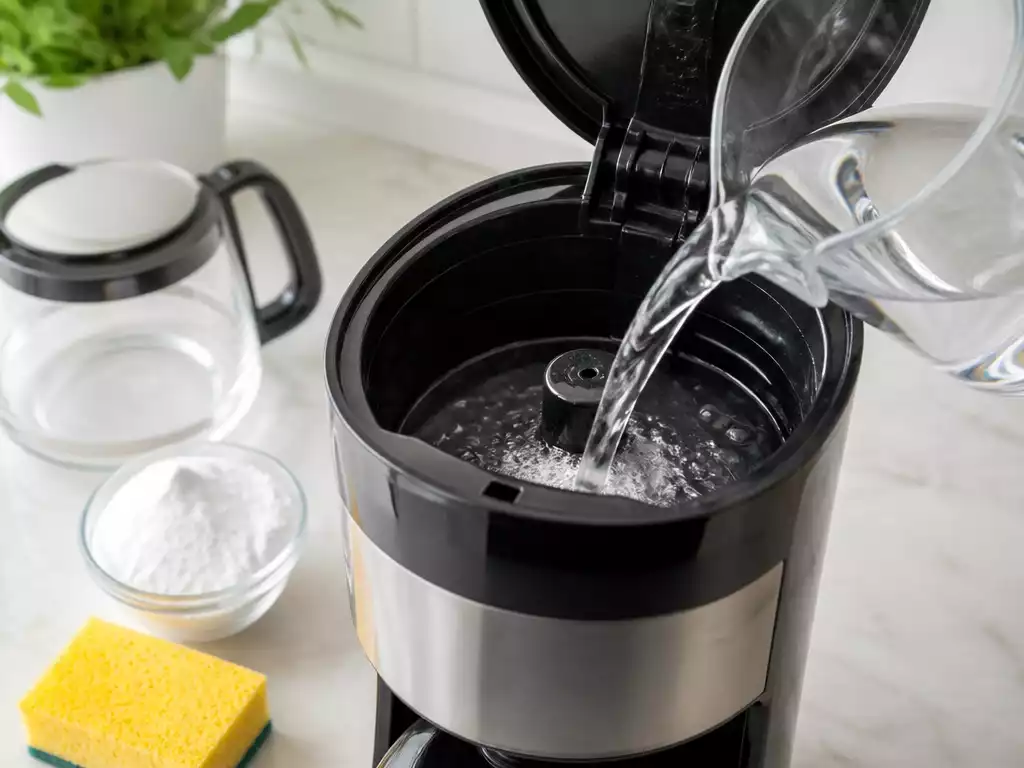
Gathering Your Cleaning Materials: A Quick Checklist
Here’s a closer look at why each item on the checklist is important:
- Baking soda: The star player in our cleaning routine.
- Warm water: Helps activate the baking soda, making it more effective.
- Sponge or soft cloth: Ideal for scrubbing without scratching surfaces.
- Measuring cup: To mix the right ratios of ingredients.
- White vinegar: Optional for a deeper clean, especially for tough stains.
Gathering these materials ahead of time will streamline the process. Plus, you’ll feel more accomplished as you go through each step!
Understanding the Role of Warm Water and Other Ingredients
Warm water plays a pivotal role in cleaning your coffee maker. It helps dissolve both the baking soda and any built-up grime. This combination works effectively to break down deposits while being gentle on your machine. You’ll find that warm water enhances the cleaning power of baking soda, delivering a thorough clean without the harshness of chemicals.
In addition to warm water, considering other natural ingredients like vinegar can bolster your cleaning routine. Vinegar can help tackle more stubborn stains, making your coffee maker sparkle!
Eco-Friendly Cleaning Options: Using Natural Cleaners
Using baking soda and other natural ingredients not only keeps your coffee maker clean but also supports a more sustainable lifestyle. By steering clear of chemical cleaners, you reduce your impact on the environment while still achieving excellent results. This choice aligns perfectly with my beliefs about maintaining a clean home while protecting our planet.
Remember, taking the natural route doesn’t mean compromising on effectiveness—baking soda, combined with a little warm water, can work wonders!
Pro Tip
For an extra cleaning boost, consider adding a tablespoon of citric acid to your baking soda and warm water mixture. This powerful combination can effectively tackle stubborn mineral deposits and enhance the overall cleaning process, leaving your coffee maker even fresher!
Maintaining a Clean Coffee Maker Regularly
Keeping your coffee maker clean is crucial for a great brew! Regular maintenance not only enhances the flavor of your coffee but also extends the life of your machine. In this section, I’ll share effective tips on how to establish a cleaning routine that fits your busy lifestyle.
Establishing a Cleaning Schedule for Your Coffee Maker
Creating a cleaning schedule for your coffee maker can help ensure it stays in top shape. I recommend cleaning it at least once a month to avoid any buildup that can affect performance and taste. If you brew coffee daily, consider incorporating a quick clean more frequently!
- Daily: Rinse the carafe and filter basket after each use.
- Weekly: Perform a quick wipe down of the exterior and brew basket.
- Monthly: Deep clean with baking soda or your preferred cleaning solution.
These simple steps can make a big difference in keeping your coffee maker fresh and functioning well. Plus, it’s a good habit to get into, especially for coffee lovers like us!
How Often Should You Clean Your Coffee Maker? Insights and Recommendations
The frequency of cleaning your coffee maker may depend on how often you use it. If you’re brewing multiple pots of coffee daily, aim for a deep clean every two weeks. For light users, monthly cleaning should suffice. Just remember, a clean machine means better-tasting coffee!
Daily Cleaning Hacks for Busy Coffee Lovers
I understand that life can get busy, so here are some quick daily hacks to make cleaning easier:
- After each brew, simply rinse the carafe and filter basket with warm water.
- Use a damp cloth to wipe the exterior of the machine.
- Consider running a cycle of plain water once a week if you’re short on time.
These quick tasks can keep your coffee maker from accumulating grime and make your monthly deep cleaning much easier!
Comparing Cleaning Methods: Baking Soda vs. Vinegar vs. Commercial Cleaners
When it comes to cleaning your coffee maker, you have several options. Each method has its pros and cons, which I’ll break down for you to make an informed choice!
Pros and Cons of Each Method
- Baking Soda: Natural, affordable, and effective for odor removal. May require some scrubbing.
- Vinegar: Great for descaling but can leave a strong smell if not rinsed thoroughly.
- Commercial Cleaners: Designed specifically for coffee makers, but they can be more expensive and contain chemicals.
Choosing the right method depends on your personal preference and how often you clean. If you lean towards natural solutions, baking soda is a fantastic option!
When to Choose Alternative Cleaning Solutions
Consider switching to vinegar or commercial cleaners if you notice heavy mineral buildup or persistent odors that baking soda alone can’t tackle. Each cleaning solution serves a purpose and can be part of your coffee maintenance toolkit!
How Citric Acid Can Enhance Your Cleaning Routine
Citric acid is another natural cleanser worth exploring. It’s excellent for breaking down mineral deposits and can be found in many kitchen items. Mixing a bit of citric acid with water can add an extra boost to your cleaning routine, especially if you live in a hard water area. Just make sure to rinse it well afterward!
Frequently Asked Questions About Coffee Maker Cleaning
- Q: Why is it important to clean my coffee maker regularly?
- A: Regular cleaning enhances the taste of your coffee, removes odors and residue, and extends the life of your machine by preventing mineral buildup and grime.
- Q: What are the main benefits of using baking soda for cleaning a coffee maker?
- A: Baking soda is an eco-friendly, non-toxic, and cost-effective cleaner. It’s gentle on internal components, effectively eliminates odors, and breaks down grime without harsh chemicals, ensuring a cleaner tasting brew.
- Q: How often should I deep clean my coffee maker?
- A: For optimal performance and taste, a deep clean with baking soda or a similar solution is recommended at least once a month. If you use your coffee maker daily or multiple times a day, consider deep cleaning every two weeks.
- Q: What supplies do I need to clean my coffee maker with baking soda?
- A: You will need baking soda, warm water, a sponge or soft cloth, and a measuring cup. White vinegar and citric acid are optional for tougher stains or an extra cleaning boost.
- Q: Can I use vinegar or commercial cleaners instead of baking soda?
- A: Yes, vinegar is excellent for descaling mineral buildup, and commercial cleaners are specifically designed for coffee makers. However, baking soda is preferred for its natural deodorizing and gentle cleaning properties, especially if you want to avoid strong smells or chemicals.
Recap of Key Points
Here is a quick recap of the important points discussed in the article:
- Baking soda is an effective, eco-friendly cleaning solution for coffee makers, eliminating odors and residues.
- Regular maintenance is crucial; clean your coffee maker at least once a month and perform daily and weekly tasks to keep it in top shape.
- Essential supplies include baking soda, warm water, sponge or cloth, measuring cup, and optionally, white vinegar for extra cleaning power.
- Establish a cleaning schedule that fits your lifestyle, incorporating daily rinses and weekly wipes.
- Consider natural alternatives like vinegar or citric acid for tougher stains, but remember to rinse well afterward.
Pingback: How to Clean a Black+Decker Coffee Maker Properly
Pingback: How to Clean a Krups Coffee Maker: Step-by-Step Guide