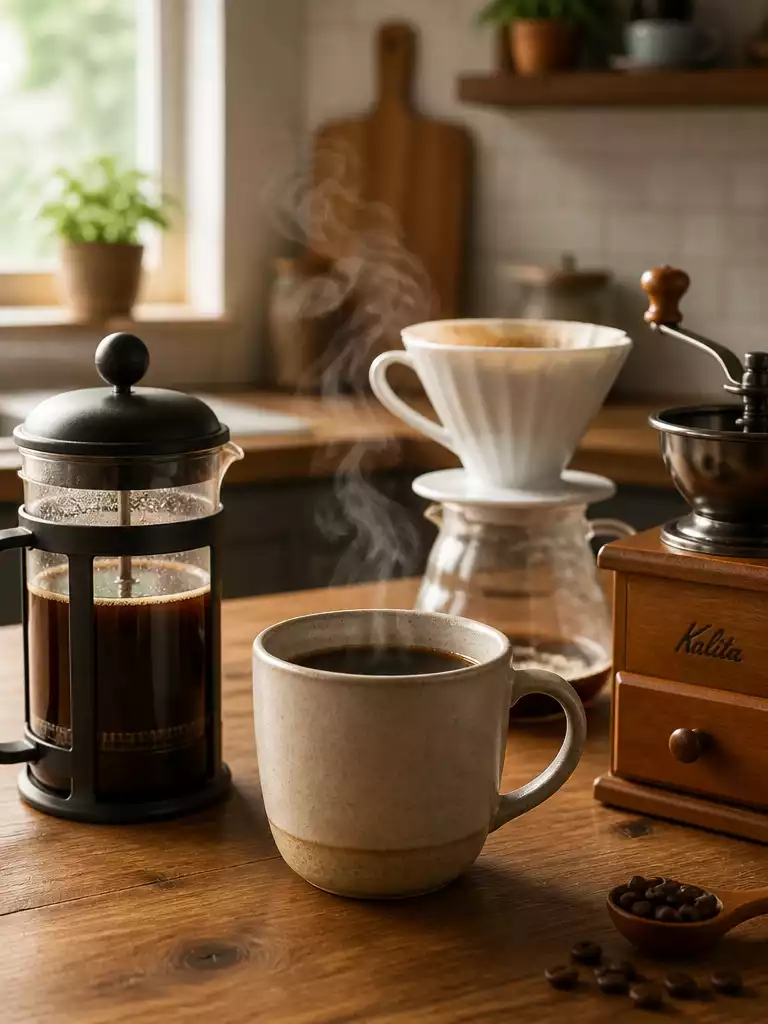
Brewing coffee without a coffee maker can be an adventure in flavor and creativity. Rather than relying on expensive machines, you can discover delightful new methods using simple kitchen items. Are you ready to explore the world of coffee crafting?
What You Will Learn
- Brewing coffee without a machine promotes creativity and encourages personal exploration of flavors.
- It’s a cost-effective approach, eliminating the need for expensive coffee equipment.
- You can use everyday kitchen items for convenience, making the brewing process simple and accessible.
- Choosing the right coffee beans and adjusting grind size can significantly impact the flavor of your brew.
- Different brewing methods, such as Cowboy Coffee and Pour-Over, each offer unique taste experiences.
- Experimentation is key; trying various techniques can lead to discovering your personal coffee preference.
Understanding Coffee Crafting Without a Coffee Maker
Brewing coffee without a coffee maker might sound daunting, but it opens up a world of creativity and flavor! Many of us assume that specialized equipment is needed to enjoy a great cup of coffee, but that’s simply not true. In fact, there are numerous ways to brew delicious coffee using everyday items found in your kitchen.
Choosing to brew coffee without specialized equipment can be a fun and rewarding experience. It encourages you to explore various methods, each imparting unique flavors and aromas to your brew. Plus, it can save you money and space in your kitchen!
Why Choose to Brew Coffee Without Specialized Equipment?
There are several compelling reasons to embrace brewing without fancy gadgets. First, it allows you to experiment and discover what you truly enjoy in a cup of coffee. You may find that you prefer the robust taste from a simple stovetop method over a machine-brewed coffee. Additionally, brewing coffee this way can be a wonderful back-to-basics experience, connecting you more intimately with your drink.
- Cost-effective: No need to invest in expensive coffee machines.
- Creative freedom: Experiment with different techniques and flavors.
- Convenience: Use items you already own without the hassle of complex setups.
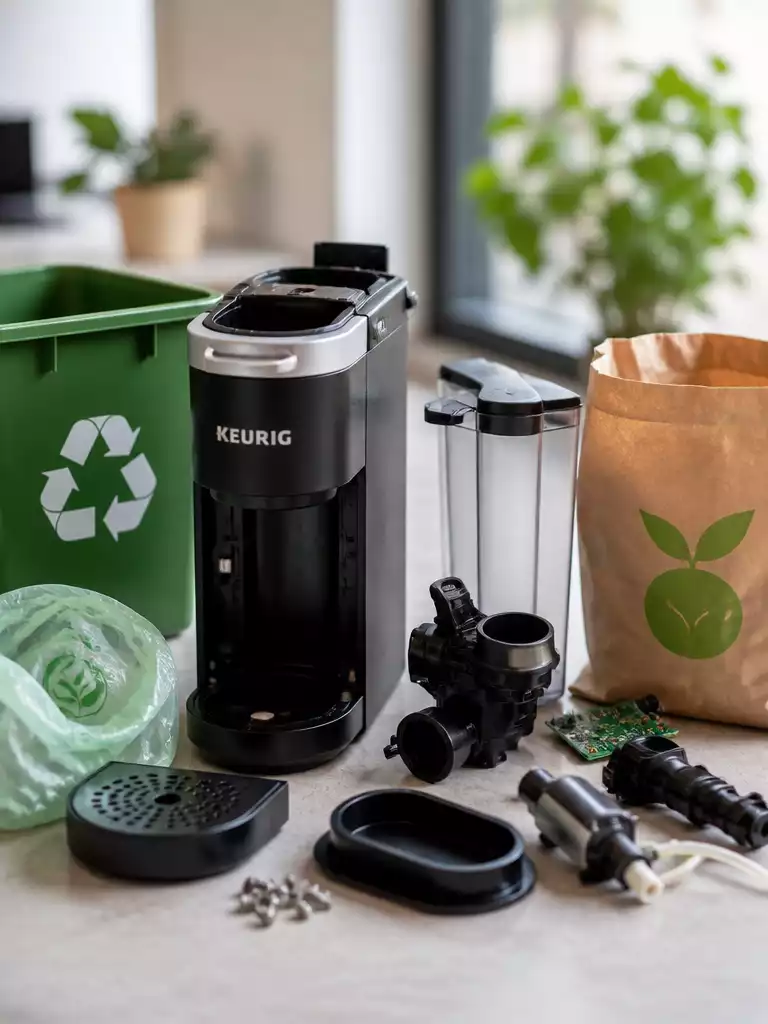
Another reason to brew coffee without a machine is the environmental impact. By minimizing reliance on electrical appliances, we can reduce our carbon footprint. It’s an excellent way to appreciate the simplicity of brewing while being kind to the planet!
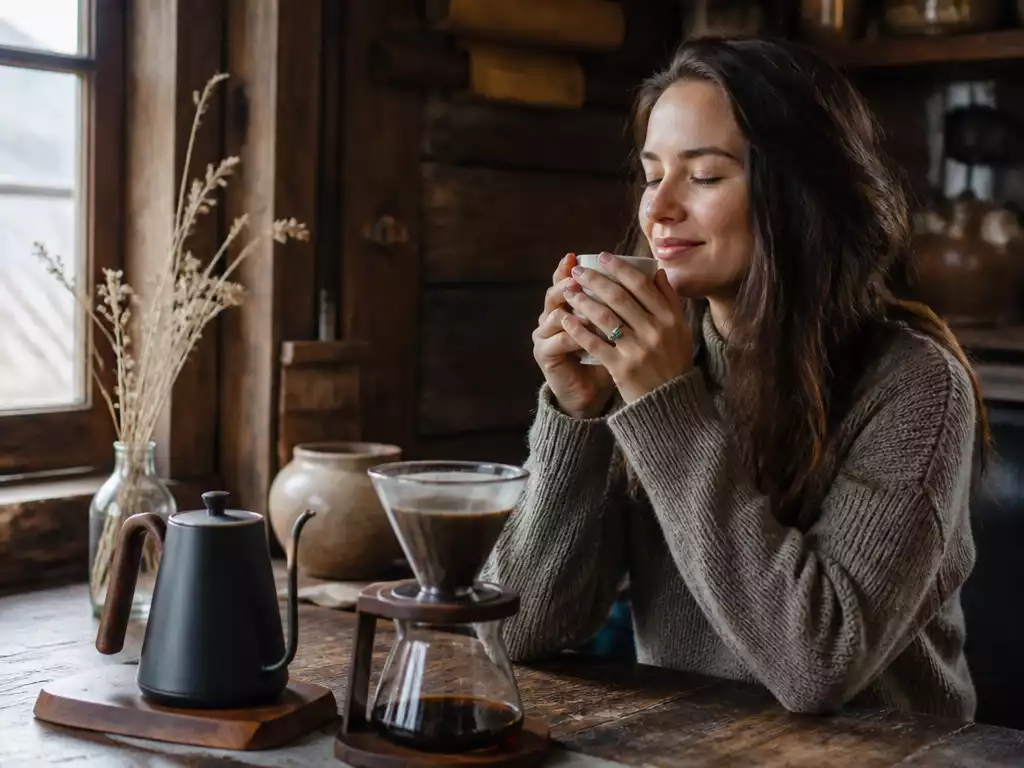
The Basics of Making Coffee Without a Coffee Maker
Making coffee without a coffee maker can be as simple as boiling water and mixing in coffee grounds. However, a few essential techniques can help you achieve that perfect brew. The first step is to choose your preferred coffee beans and grind them to the appropriate consistency for your chosen method.
- Choose your coffee: Select high-quality beans for the best flavor.
- Grind size matters: Adjust the grind based on the brewing method.
- Water temperature: Aim for hot, but not boiling water for optimal extraction.
Once you’ve selected your coffee and prepared your tools, you can get started! The beauty of brewing coffee without a coffee maker is that you can customize the process to suit your taste preferences, creating a unique flavor profile each time.
Pro Tip
Did you know? Experimenting with water temperature can significantly enhance the extraction of flavors in your coffee. Aim for 195°F to 205°F (90°C to 96°C) for optimal results, just below boiling point. This temperature range allows you to extract the best flavors without scalding the coffee, leading to a more balanced and enjoyable cup!
Wrapping Up Your Coffee Brewing Journey
As we come to the end of our exploration into brewing coffee without a coffee maker, let’s take a moment to recap the key methods we’ve discussed and their benefits. Whether you’re camping in the wilderness or just enjoying the comfort of your home, there are numerous ways to create delicious coffee. Each method offers unique flavors and experiences, making your brew time not just about caffeine, but also about enjoyment and creativity.
- Cowboy Coffee: A straightforward and rustic method that requires minimal supplies.
- Stovetop with a Saucepan: Simple and effective, perfect for those who appreciate traditional brewing.
- Pour-Over Techniques: These allow for precision and control in your brew, enhancing flavor.
- Cold Brew: A refreshing alternative for those hot days, smooth and less acidic.
- French Press and AeroPress: Both provide full-bodied flavors with distinct brewing styles.
Trying out each of these methods can be a fun way to discover your personal coffee preference. Don’t be afraid to experiment! Each technique has its own charm, and you might find a new favorite.
Encouragement to Try Various Brewing Techniques
As you embark on this coffee brewing journey, I encourage you to explore these various techniques. Each time you brew, you’ll gain more confidence and perhaps even refine your own unique style. Remember, coffee is not just a beverage; it’s a ritual that can add joy to your daily routine. Trying different methods can turn a mundane task into a delightful experience.
So why not gather some friends for a coffee tasting session? Share your creations and swap techniques! This way, you not only enjoy a great cup of coffee but also make lasting memories in the process.
Your Coffee Queries Answered: FAQs
Can I Make Coffee Without a Filter?
Absolutely! You can make coffee without a filter using methods like Cowboy Coffee or the French Press. Both options allow the coffee grounds to steep directly in the water, creating rich flavors without needing any paper filters.
How Do I Avoid Grounds in My Coffee?
To avoid grounds in your brew, using a coarser grind can help. Additionally, straining your coffee through a cloth or using a mesh strainer can help keep those pesky grounds out of your cup. Just remember, a little practice goes a long way!
What Grind Should I Use for Different Methods?
The grind size you choose is crucial for your brew. Here’s a quick guide:
- Coarse Grind: Perfect for Cowboy Coffee and French Press.
- Medium Grind: Works well with pour-over and stovetop methods.
- Fine Grind: Best for AeroPress and espresso.
What Is the Best Way to Brew Coffee for Camping?
When camping, Cowboy Coffee is a great option because it’s incredibly simple and requires no special equipment. Just bring some coarsely ground coffee, water, and a heat source, and you’re good to go! Alternatively, you could use a portable French Press for a more refined cup.
How to Achieve Ideal Coffee Flavor Profiles with Alternative Methods?
To enhance your coffee’s flavor profiles, consider these tips:
- Experiment with different grind sizes to find what suits your taste.
- Adjust your coffee-to-water ratio to taste; generally, a 1:15 ratio is a good starting point.
- Try varying brew times; longer steeping can extract more flavor, but be cautious of bitterness.
With these insights, you’re well on your way to mastering coffee brewing without the need for a coffee maker. Happy brewing!
Recap of Key Points
Here is a quick recap of the important points discussed in the article:
- Cost-effective: No need to invest in expensive coffee machines.
- Creative freedom: Experiment with various techniques and flavors.
- Convenience: Use items you already own without complex setups.
- Choose high-quality beans: This ensures the best flavor in your coffee.
- Grind size matters: Adjust the grind based on the brewing method.
- Use hot water: Aim for hot, but not boiling, water for optimal extraction.
- Explore different methods: Cowboy Coffee, stovetop, pour-over, and cold brew offer unique flavors.
- Enjoy the process: Coffee brewing can be a ritual that adds joy to your daily routine.
Pingback: How to Use a Moka Coffee Maker Properly
Pingback: how to use a bialetti coffee maker
Pingback: How to Use a Vietnamese Coffee Maker Properly