
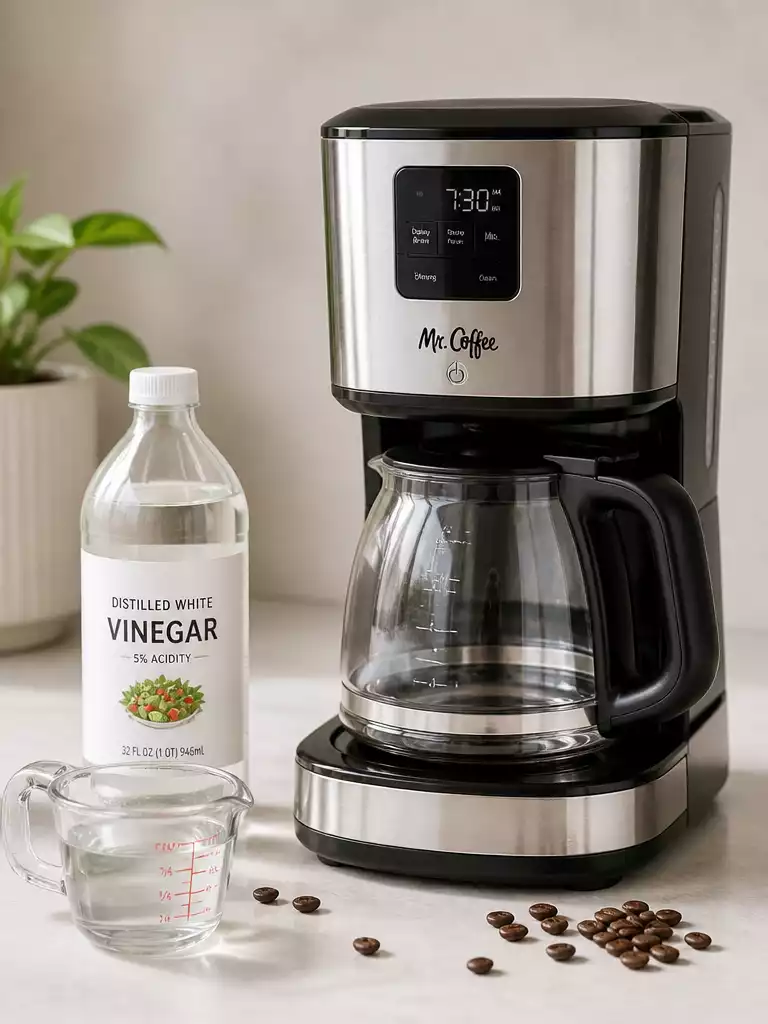
Did you know that neglecting your coffee maker can lead to a bitter brew? Keeping your coffee machine clean is essential for enjoying the best flavors from your favorite beverage!
What You Will Learn
- Regular maintenance prevents clogs and ensures optimal performance of your coffee maker.
- Cleaning improves the taste of your coffee by removing unpleasant residues and oils.
- Common signs your coffee maker needs cleaning include slow brewing times and unpleasant odors.
- Using a simple vinegar and water solution can effectively clean your coffee maker.
Understanding the Importance of Cleaning Your Coffee Maker
As a coffee enthusiast, I can’t stress enough how important it is to keep your coffee maker clean. Regular maintenance not only ensures that you enjoy the best flavors from your coffee but also extends the life of your machine. Just like any appliance, a coffee maker collects residue, oils, and minerals over time, which can affect the taste of your brew and the performance of your machine.
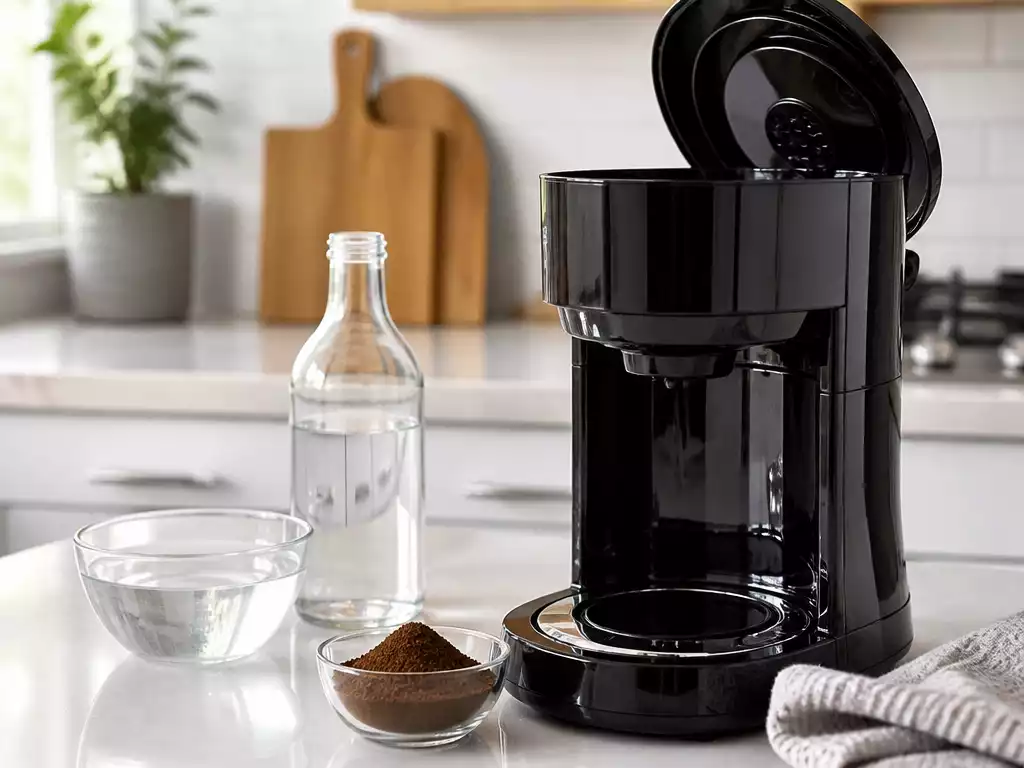
When you invest time in proper cleaning, you’ll notice the difference in the quality of your coffee. A clean coffee maker means a fresher taste, better aromas, and ultimately, a more satisfying cup of joe each morning. So, let’s dive into why regular maintenance matters!
Why Regular Maintenance Matters for Coffee Makers
Regular maintenance is crucial for several reasons. First and foremost, it helps to prevent the buildup of calcium deposits and oils in your coffee maker. These can lead to clogs and machine malfunctions, which are costly and inconvenient. Here are some key benefits of regular maintenance:
- Improved Coffee Taste: A clean machine brews better coffee.
- Longevity of Your Machine: Prevents wear and tear caused by buildup.
- Healthier Brews: Reduces the chances of bacteria growth.
By investing a little time in maintenance, you’re ensuring that your morning ritual remains enjoyable and hassle-free. Remember, a clean coffee maker is a happy coffee maker!
Common Signs Your Coffee Maker Needs Cleaning
It’s essential to be aware of the signs that indicate your coffee maker is due for a cleaning. Ignoring these signals can lead to even bigger issues down the road. Here are some common signs to keep an eye out for:
- Unpleasant odors coming from the coffee maker.
- Slow brewing times or irregular water flow.
- Visible residue or buildup in the water reservoir or filter basket.
If you notice any of these signs, don’t wait! It’s time to give your coffee maker some much-needed TLC. By addressing these issues promptly, you can ensure that your coffee experience continues to be delightful and flavorful.
We Want to Hear From You!
How often do you clean your coffee maker? Share your thoughts below:
Summary of Key Cleaning Techniques and Best Practices
As we wrap up our discussion on cleaning your coffee maker, let’s quickly recap the key techniques that we’ve covered. Regular maintenance using vinegar is not just effective but also simple and eco-friendly. By following the right steps, you can keep your coffee maker in top shape and enjoy a delicious cup every time!
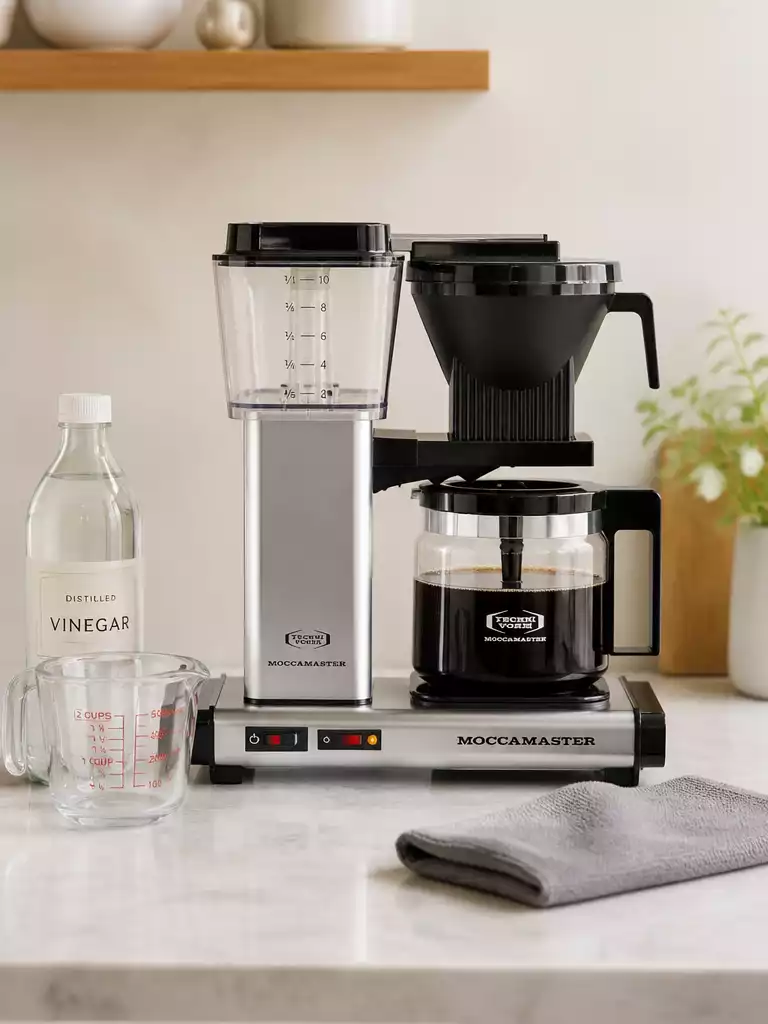
Remember, the basic process involves mixing equal parts of white vinegar and water, running the brew cycle, and rinsing thoroughly. These steps ensure that any mineral buildup or coffee oils are removed, allowing your machine to function efficiently.
Recap of the Vinegar Cleaning Process
The vinegar cleaning process is straightforward and only takes a little bit of time. Here’s a quick overview:
- Mix equal parts of white vinegar and water.
- Run the mixture through your coffee maker as you would with coffee.
- Let it sit for about 30 minutes to soak away any stubborn residue.
- Run a cycle of fresh water to rinse out the vinegar.
These steps will not only clean your coffee maker but also help in maintaining its longevity, ensuring you get the best tasting coffee possible!
Why Keeping Your Coffee Maker Clean Enhances Beverage Quality
Keeping your coffee maker clean is essential for more than just hygiene. A clean machine directly impacts the flavor of your coffee. When mineral buildup or old coffee oils accumulate, they can alter the taste, making your brew bitter or flat. Nobody wants that!
Moreover, a clean coffee maker will function better, leading to a more consistent brewing temperature. This ultimately ensures that every cup is as satisfying as the last, allowing you to wake up to that perfect cup of coffee every morning.
Additional Resources and Further Reading
If you’re eager to continue your coffee maker maintenance journey, there are plenty of resources available to help you. Whether you’re looking for specific guides or just some extra tips, there’s something out there for everyone!
At our website, we’ve compiled a list of articles and FAQs that cover everything from routine care to troubleshooting tips. Now let’s dive into some useful links!
Links to Helpful Guides on Coffee Maker Maintenance
- Ultimate Guide to Coffee Maker Maintenance
- Best Practices for Maintaining Your Brewing Equipment
- Troubleshooting Common Coffee Maker Issues
These guides will provide you with comprehensive information to enhance your coffee-making experience. Feel free to explore them at your own pace!
FAQs on Coffee Maker Cleaning and Care
Frequently Asked Questions
Still have questions about cleaning your coffee maker? Here are some frequently asked questions:
- How often should I clean my coffee maker?
For optimal performance and taste, aim to clean your coffee maker at least once a month. If you use it daily or have hard water, consider cleaning it bi-weekly. - Can I use other types of vinegar for cleaning?
While white vinegar is recommended due to its acidity and lack of color, other types like apple cider vinegar can be used. However, they may leave a stronger scent that requires more thorough rinsing. - What are the best practices for cleaning single-serve machines?
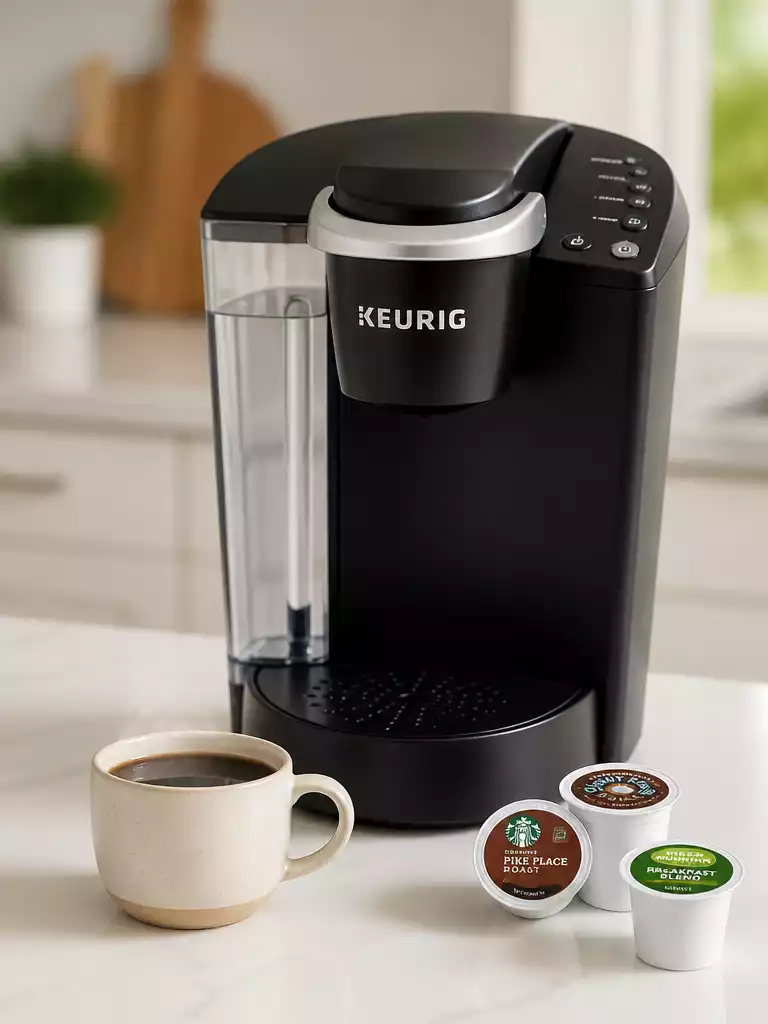
For single-serve machines, you can use the vinegar and water solution, but follow your machine’s specific descaling instructions. Pay attention to cleaning the needle and pod holder regularly to prevent clogs. - What are the common signs that my coffee maker needs cleaning?
Common signs include a slower brewing process, unpleasant odors, visible residue or mineral buildup in the water reservoir, and a noticeable change in the taste of your coffee (e.g., bitter or flat). - Why is using filtered water important for my coffee maker?
Using filtered water helps reduce the mineral buildup (especially in hard water areas) that can lead to clogs and affect the taste of your coffee. It also prolongs the life of your machine.
Understanding Water Quality and Its Impact on Your Coffee Maker
Finally, it’s essential to consider the quality of water you use in your coffee maker. Hard water can lead to greater mineral buildup, making regular cleaning even more critical. If you’re in an area with hard water, think about using filtered water for your brews.
Incorporating good water quality will not only prolong the life of your coffee maker but also enhance the flavor of your coffee. So, invest in a simple water filter and enjoy all the benefits!
Get Started with Cleaning Your Coffee Maker Today
Now that you’re equipped with all the knowledge you need, it’s time to roll up your sleeves and get that coffee maker sparkling clean! Remember, regular maintenance is key to ensuring every cup is as delicious as the last.
Here are a few quick tips to remember as you embark on your cleaning journey:
Quick Tips to Remember for Effective Cleaning
- Schedule a monthly cleaning session.
- Don’t forget to clean removable parts, like the filter basket.
- Use distilled water for your next brew for better taste!
With these tips in mind, you’ll be on your way to mastering coffee maker maintenance!
Encouragement to Share Your Cleaning Experience
I’d love to hear how your coffee maker cleaning goes! Sharing your experience not only helps you reflect on your process but also helps others in our coffee-loving community. If you have any tips or stories to share, feel free to drop a comment or reach out!
Let’s keep enjoying great coffee together, one clean brew at a time!
Recap of Key Points
Here is a quick recap of the important points discussed in the article:
- Regular cleaning of your coffee maker enhances the flavor and aroma of your coffee.
- Key signs your coffee maker needs cleaning include unpleasant odors, slow brewing times, and visible residue.
- The vinegar cleaning process involves mixing equal parts of vinegar and water, running a brew cycle, and rinsing thoroughly.
- Using filtered water can reduce mineral buildup and improve coffee taste.
- Schedule monthly cleaning sessions and don’t forget removable parts like the filter basket.
Pingback: how to use an amaste coffee maker
Pingback: black and decker coffee maker not working
Pingback: cuisinart coffee maker not working
Pingback: how to clean a drew barrymore coffee maker
Pingback: Dolce Gusto Coffee Maker Not Working? How to Fix It
Pingback: How to Clean a Percolator Coffee Maker Properly