Ready to elevate your coffee experience? Understanding your percolator and maintaining it properly can transform your daily brew into something truly special.
What You Will Learn
- The percolator coffee maker operates by cycling boiling water through coffee grounds, delivering a rich flavor.
- Regular cleaning is essential to prevent bitter tastes caused by residue and to ensure the longevity of your machine.
- Water quality significantly affects your coffee’s flavor; hard water can lead to off-tastes and build-up in your percolator.
- Implement a cleaning routine that includes regular maintenance after each use and deep cleaning every 2-4 weeks.
- Safety precautions like unplugging the device and handling glass components with care are crucial during cleaning.
- Engaging with other coffee enthusiasts can provide valuable tips and tricks to enhance your brewing experience.
Basics of Your Percolator Coffee Maker
When it comes to brewing coffee, the percolator coffee maker is a reliable choice for many enthusiasts like myself. It brews coffee by circulating boiling water through the coffee grounds, and it has a charm that modern machines sometimes lack. Knowing how it works can enhance your appreciation for your daily cup of joe!
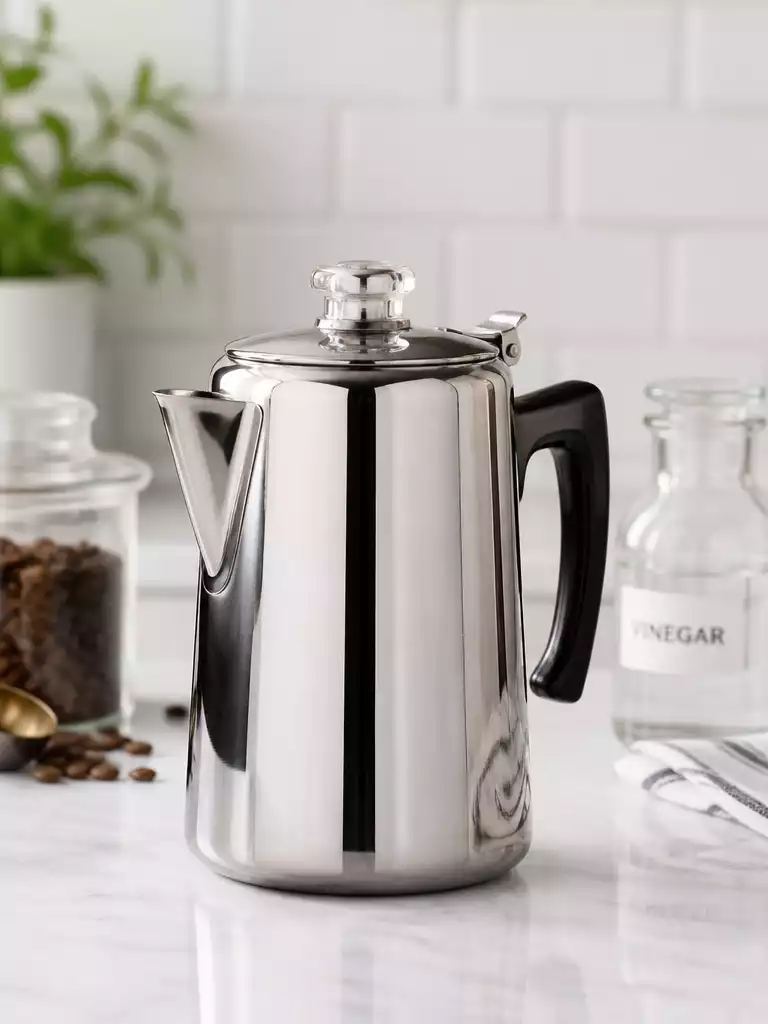
A percolator typically consists of a few main components: a water chamber, a coffee basket, and a tube that allows the water to flow. This simple design has been around for decades, and its effectiveness has kept it popular among those who enjoy a robust brew. Plus, there’s something nostalgic about using one!
What is a Percolator Coffee Maker?
A percolator coffee maker is a type of coffee brewing device that repeatedly cycles boiling water through coffee grounds until the desired strength is achieved. The process usually involves a separate chamber for water and a basket for coffee grounds, connected by a tube that helps transfer the water. It might seem old-fashioned, but it delivers a distinct flavor that many love.
- How it works: Water is heated in the lower chamber, rises through the tube, and brews the coffee in the basket.
- Types: There are electric and stovetop models, each with its unique features.
- Capacity: Percolators come in various sizes, from single servings to larger capacities for gatherings.
Understanding how your percolator works not only helps you brew better coffee but also allows you to appreciate the process more! As a coffee lover, I find that each cup brewed in my percolator feels special.
Why Regular Cleaning is Essential for Your Percolator
Cleaning your percolator is not just a chore; it’s essential for ensuring the best flavor in every cup. Over time, coffee oils and mineral deposits can build up, affecting the taste of your brew. Regular maintenance keeps your coffee tasting fresh and prevents unwanted odors. To learn more about cleaning different types of coffee makers, check out our guide on how to clean a drip coffee maker.
- Flavor impact: Residue can lead to bitter or stale-tasting coffee.
- Longevity: A clean percolator will last longer and perform better over the years.
- Health benefits: Clean equipment reduces the risk of bacteria and mold growth.
In my experience, taking the time to clean your percolator regularly makes a noticeable difference in the taste of your coffee. Plus, it’s a simple way to ensure you’re enjoying your favorite brew without any unwanted flavors!
The Role of Water Hardness in Brewing Quality
The quality of water you use plays a significant role in brewing delicious coffee. Hard water, which contains higher levels of minerals like calcium and magnesium, can lead to mineral buildup in your percolator. This buildup can create off-flavors in your coffee and can even affect the machine’s performance.
- Detecting hardness: You can test your water hardness using simple test strips available online or at local stores.
- Effects on taste: Hard water might cause your coffee to taste different than expected, often leading to a dull flavor.
- Solutions: If you have hard water, consider using a water filter or bottled water for brewing.
As someone who values the perfect cup of coffee, I’ve learned that using the right water can transform your experience. It’s one of those details that make all the difference!
Pro Tip
Did you know? Using filtered water in your percolator can enhance the flavor of your coffee significantly. Hard water can lead to mineral buildup and off-flavors, so investing in a good water filter is a simple yet effective way to improve your brewing experience!
Recap of Cleaning Your Percolator Coffee Maker
Cleaning your percolator coffee maker is essential for maintaining its performance and ensuring that every cup of coffee tastes its best. Regular and deep cleaning not only prolongs the life of your machine but also enhances your overall coffee experience. Having a clean percolator prevents unpleasant flavors caused by old coffee oils and mineral buildup.
- Regular cleaning removes residue and oils.
- Deep cleaning tackles tough mineral buildup.
- A clean percolator ensures better taste.
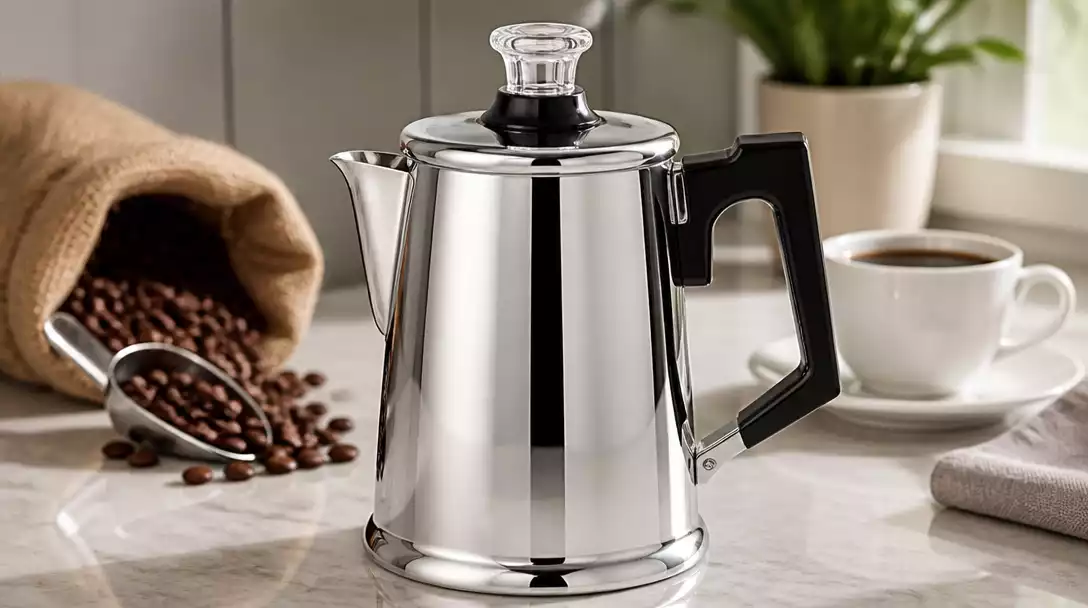
Taking these steps to maintain your coffee maker can lead to a noticeably improved brew, making your mornings even more enjoyable. So, let’s make sure we keep that percolator shining and ready to serve!
The Importance of Regular and Deep Cleaning
Regular cleaning is a must, but don’t forget about deep cleaning, too! I’ve found that a combination of both ensures that my percolator performs at its best. While regular cleaning should happen after each use, deep cleaning can be done every few weeks or as needed, depending on your water hardness. For a comprehensive guide on cleaning your coffee maker, refer to our article on how to clean a coffee maker with vinegar.
- Regular cleaning: After every use.
- Deep cleaning: Every 2-4 weeks.
- Monitor for signs of buildup to determine frequency.
Emphasizing both types of cleaning helps prevent any stubborn stains or foul odors from taking hold. Trust me; your taste buds will appreciate it!
Final Safety Reminders for Maintaining Your Percolator
As you clean your percolator, safety should always come first. It’s easy to forget that we’re dealing with electrical components and hot water. Make sure to unplug your percolator before starting any cleaning process!
- Always unplug before cleaning.
- Allow parts to cool before disassembly.
- Handle glass components with care to avoid breakage.
By following these safety reminders, you’ll ensure not only a clean percolator but also a safe cleaning experience. Now, let’s move on to enhancing your coffee experience!
Enhancing Your Coffee Experience with a Clean Percolator
Invite Feedback: Share Your Cleaning Tips and Tricks
I’d love to hear from you! What tips do you have for keeping your percolator spick and span? Sharing insights not only helps me, but it can also benefit fellow coffee lovers. Drop your suggestions in the comments, and let’s create a helpful community of coffee enthusiasts!
- Share your favorite cleaning hacks.
- Discuss methods that work best for you.
- Let us know about your coffee brewing experiences!
Every piece of advice helps someone else improve their brewing process, and I’m all about building that community around our shared love for coffee!
Call to Action: Start Your Cleaning Routine Today!
Ready to give your percolator the attention it deserves? Don’t wait! Dive into your cleaning routine today and experience the difference. A little effort now means you’ll enjoy countless delicious cups of coffee in the future. Let’s get that percolator sparkling!
- Gather your cleaning supplies.
- Follow the cleaning steps outlined earlier.
- Enjoy your fresh-brewed coffee!
Trust me; your mornings will be transformed with just a bit of maintenance!
Exploring Barista Techniques for Perfect Brews
Once your percolator is clean, why not take your coffee skills to the next level? Learning some barista techniques can significantly improve your brewing methods. From adjusting brewing times to experimenting with coffee grind sizes, there are plenty of ways to elevate your coffee game! If you’re interested in general coffee maker usage, explore our guide on how to use a coffee maker.
- Experiment with grind size for different flavor profiles.
- Try varying brew times for strength and richness.
- Use fresh, quality beans for the best results.
Let’s get brewing and make some fantastic coffee together! After all, a clean percolator is just the first step toward that perfect cup.
Recap of Key Points
Here is a quick recap of the important points discussed in the article:
- A percolator coffee maker brews coffee by cycling boiling water through coffee grounds, enhancing flavor.
- Regular cleaning removes residue and oils, while deep cleaning tackles tough mineral buildup.
- Water hardness significantly affects coffee taste; consider using filtered or bottled water for the best results.
- Safety is crucial; always unplug the percolator and allow components to cool before cleaning.
- Emphasize both regular and deep cleaning to maintain performance and flavor quality.
Frequently Asked Questions About Percolator Maintenance
- Q: How often should I clean my percolator?
- A: You should perform a regular cleaning after each use to remove coffee oils and residue. A deep cleaning, which addresses mineral buildup, should be done every 2-4 weeks, depending on your water hardness and usage frequency.
- Q: What causes my percolator coffee to taste bitter?
- A: Bitter-tasting coffee is often caused by the buildup of coffee oils and mineral deposits in your percolator. Regular cleaning is essential to remove these residues and maintain optimal flavor.
- Q: Does water hardness really affect coffee flavor?
- A: Yes, water hardness significantly impacts coffee flavor. Hard water contains minerals that can create off-flavors and contribute to mineral buildup in your percolator. Using filtered or bottled water can greatly improve the taste of your brew.
- Q: What are the key safety tips for cleaning a percolator?
- A: Always unplug your percolator before cleaning. Allow all parts to cool down before disassembling them. Handle glass components with care to prevent breakage.
- Q: What’s the difference between regular and deep cleaning for a percolator?
- A: Regular cleaning involves rinsing and wiping down components after each use to remove fresh coffee oils. Deep cleaning involves using descaling agents (like vinegar or specialized cleaners) to remove stubborn mineral deposits and older coffee residues that accumulate over time.