
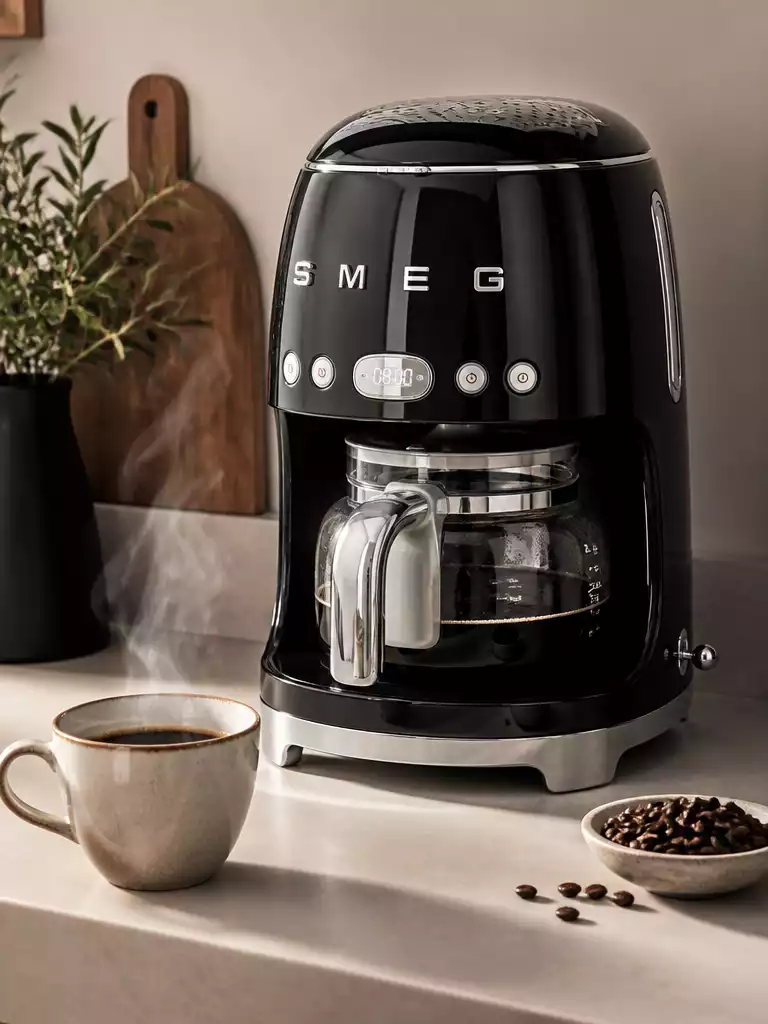
Did you know that understanding the components of your coffee maker can significantly enhance your brewing experience? Mastering the art of troubleshooting your Smeg coffee maker not only saves you time but also ensures you enjoy a delightful cup every morning.
What You Will Learn
- Recognize the essential components of your Smeg coffee maker, including the water tank, brew unit, drip tray, and steam wand.
- Identify common issues such as weak coffee, leaks, and error lights, and understand their potential causes.
- Learn effective troubleshooting steps for when your coffee maker won’t turn on or experiences low pressure.
- Discover the importance of routine maintenance, including cleaning and descaling, to prolong the life of your machine.
Troubleshooting Your Smeg Coffee Maker: Common Issues Explained
Having a Smeg coffee maker is a joy, but even the best machines can face issues from time to time. Understanding how to troubleshoot these problems is essential to enjoying your daily brew. In this section, we’ll explore common issues you may encounter and break down the components of your coffee maker that play a vital role in its function.
Before diving into solutions, let’s familiarize ourselves with the key parts of your Smeg coffee maker and understand how they work together to deliver that perfect cup of coffee!
Understanding Your Smeg Coffee Maker’s Components
Your Smeg coffee maker is made up of several critical components, each contributing to the overall brewing process. Knowing these parts can help you pinpoint issues when things go awry. Here’s a closer look at some of these components:
- Water Tank: Holds the water needed for brewing.
- Brew Unit: Where the coffee grounds and water interact.
- Drip Tray: Collects any spills and excess coffee.
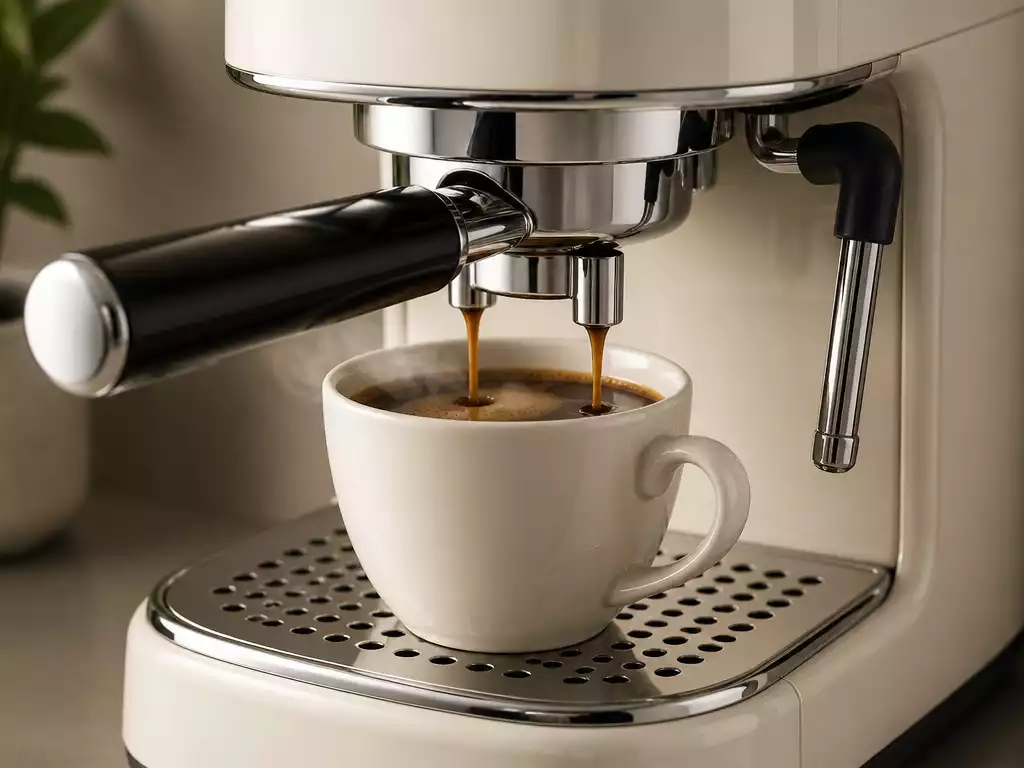
- Steam Wand: Used for frothing milk.
For example, if the water tank is empty, your coffee maker won’t be able to brew at all! Understanding these components lets you troubleshoot effectively.
The Role of the Water Tank in Your Coffee Maker
The water tank is crucial as it supplies the necessary water for brewing. If it’s not filled properly, you might notice your coffee maker struggling or even failing to operate. Always ensure your water tank is filled to the appropriate level and free of any clogs.
A dirty tank can lead to poor tasting coffee, so regular cleaning is essential. This simple maintenance step can help prevent many issues down the line!
How the Brew Unit Affects Coffee Quality
The brew unit is where the magic happens. It combines hot water with coffee grounds to extract flavors and aromas. If your brew unit is dirty or misaligned, it can lead to weak or bitter coffee. Regularly cleaning your brew unit is vital to maintain optimal coffee taste.
If you notice changes in the flavor quality of your coffee, don’t overlook the brew unit as a potential culprit!
Importance of the Drip Tray and Steam Wand in Coffee Preparation
The drip tray traps spills and ensures your brewing area stays clean. A full or dirty drip tray can affect the overall functionality of your coffee maker. Be sure to check it regularly and empty it as needed!
The steam wand is essential for creating frothy milk for lattes and cappuccinos. If it’s clogged, you won’t be able to produce the creamy texture you desire. Regular cleaning of the steam wand after each use can keep it functioning properly.
Identifying Common Symptoms and Their Causes
Now that we’ve covered the components, let’s look at some common symptoms you might encounter with your Smeg coffee maker and what causes them. Being able to identify these symptoms will help you address them swiftly!
- Coffee Maker Won’t Turn On: This could be due to power supply issues.
- Weak Coffee: Often linked to inadequate water pressure or dirty filters.
- Leaks: May arise from improper assembly or worn seals.
- Error Lights: Indicate specific malfunctions that require attention.
- Pump Malfunction: Can be caused by clogs or electrical issues.
Recognizing these symptoms is the first step towards effectively troubleshooting your coffee maker!
What to Do If Your Smeg Coffee Maker Won’t Turn On
If your Smeg coffee maker won’t turn on, start by checking the power source. Ensure that it’s plugged in and that the outlet is functioning. Sometimes, it’s as simple as a tripped circuit breaker. After that, try resetting the machine according to the instructions in your manual.
Don’t hesitate to check the power cord for any visible damage. If everything seems fine but your machine still won’t start, it may require professional servicing.
How to Fix Weak Coffee and Low Pressure Problems
Weak coffee is often a sign of low pressure or insufficient brewing time. First, check if the water tank is full and if the brew unit is clean. Additionally, consider the grind size of your coffee beans; too coarse a grind can lead to under-extraction.
Cleaning the filters and ensuring they are not clogged can also help in maintaining proper pressure for a robust brew!
Addressing Leaks and Water Flow Issues
Leaks can be frustrating! If you notice water pooling around your machine, check the water tank and brew unit for any misalignments or cracks. Also, ensure that all connections are tight and secure.
Regular maintenance can prevent leaks and extend the life of your Smeg coffee maker!
Understanding Error Lights and Their Meanings
Error lights are your coffee maker’s way of communicating issues. Each light typically corresponds to a specific problem, like low water or a jammed brew unit. Refer to your user manual for a detailed explanation of what each light means.
Addressing the issues indicated by these lights promptly can help you avoid more significant problems!
Common Causes of Pump Malfunction and Power Issues
Pump malfunctions can stem from clogs or electrical failures. If you hear unusual noises coming from your machine, it might indicate a pump issue. Regular descaling can help prevent mineral build-up that affects pump performance.
For power issues, always check the electrical connections. If problems persist, it might be time to consult a professional technician.
Pro Tip
To enhance your Smeg coffee maker’s performance, consider using filtered water. Not only does it improve the taste of your coffee, but it also helps reduce mineral buildup in the machine, leading to fewer clogs and a longer lifespan!
Frequently Asked Questions About Smeg Coffee Makers
- Q: What are the essential components of a Smeg coffee maker?
- A: The essential components include the water tank, brew unit, drip tray, and steam wand. Each plays a crucial role in the brewing process.
- Q: My Smeg coffee maker won’t turn on. What should I do?
- A: First, check the power source, ensure it’s plugged in, and that the outlet is working. You can also check for a tripped circuit breaker or visible damage to the power cord. If issues persist, consult your manual or professional servicing.
- Q: How can I fix weak coffee from my Smeg machine?
- A: Weak coffee often indicates low pressure or insufficient brewing. Check if the water tank is full, clean the brew unit, and consider if your coffee grind size is too coarse. Cleaning filters regularly also helps maintain proper pressure.
- Q: What causes leaks in a Smeg coffee maker?
- A: Leaks can be caused by misalignments or cracks in the water tank or brew unit, or loose connections. Regular maintenance and ensuring all parts are properly secured can help prevent leaks.
- Q: How often should I clean and descale my Smeg coffee maker?
- A: It’s recommended to clean the machine after every use to prevent residue buildup. Descaling should be done every 1-3 months, depending on your water hardness, to prevent mineral deposits.
Wrapping Up: Maintaining Your Smeg Coffee Maker for Longevity
Now that we’ve tackled common issues with your Smeg coffee maker, it’s essential to discuss how to keep it in tip-top shape for years to come! Regular maintenance can greatly enhance its performance and ensure that every cup of coffee is brewed to perfection. By following a few simple guidelines, you can prolong the life of your beloved machine.
- Perform routine cleanings
- Descale regularly
- Store it properly when not in use
- Utilize compatible Smeg accessories
These maintenance tips not only help you avoid unexpected breakdowns but also enhance the overall quality of your coffee. After all, you want that rich, aromatic experience every morning, right?
Preventive Maintenance Tips for Your Coffee Maker
Regular Cleaning and Descaling Routines
Cleaning and descaling should be your coffee maker’s best friends! Ideally, you should clean the machine after every use to prevent coffee residue buildup. Additionally, descaling every 1-3 months, depending on your water hardness, is crucial for preventing mineral deposits from affecting the coffee quality.
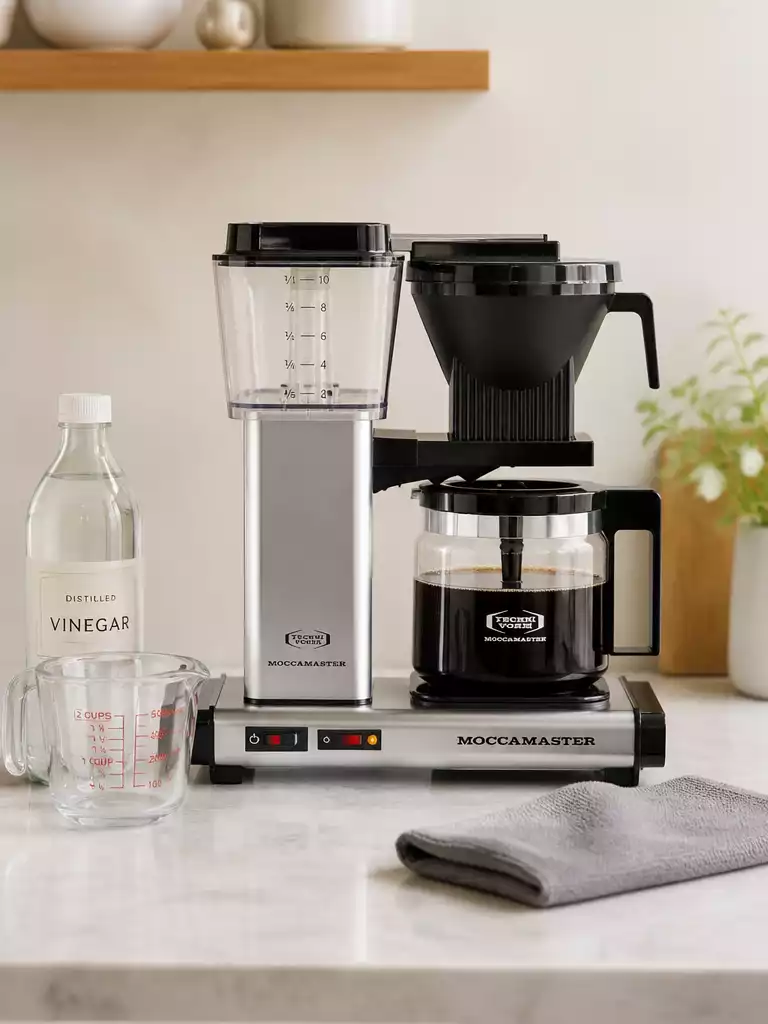
- Use a mixture of equal parts water and vinegar for descaling
- Run the descaling solution through the machine as you would with coffee
- Rinse thoroughly with clean water afterward
By making cleaning and descaling a regular part of your routine, you’ll not only improve the taste of your coffee but also extend the lifespan of your Smeg coffee maker! Trust me; it’s worth the effort!
How to Store Your Coffee Maker Properly
Storing your Smeg coffee maker correctly is just as important as cleaning it. After you’ve enjoyed your last cup, make sure to unplug it and allow it to cool down. Store it in a dry place, away from direct sunlight and moisture to protect the internal components.
- Keep it in a cabinet if possible
- Use a dust cover to protect it from dust and debris
- Avoid leaving unused water in the tank
This simple practice helps ensure your machine is always ready when you need it, without any unwanted surprises!
Utilizing Smeg Accessories for Enhanced Performance
Did you know that using Smeg-approved accessories can boost your coffee maker’s efficiency? Accessories like specially designed filters, water tanks, and coffee beans storage can enhance your coffee’s flavor and your machine’s functionality.
- Consider using Smeg’s branded coffee beans for the best results
- Invest in a high-quality grinder for fresh grounds
- Explore milk frothers or other accessories for specialty drinks
With the right accessories, you can elevate your coffee-making experience to a whole new level. It’s all about making your mornings more delightful!
Resources for Further Assistance
Accessing the Smeg Manual for Your Model
Your first step for troubleshooting any new issues is to refer to your Smeg coffee maker’s manual. The manual provides specific instructions, diagrams, and more detailed troubleshooting tips tailored to your model. If you’ve misplaced yours, you can usually find a downloadable version on Smeg’s official website.
Contacting Smeg Customer Support and Authorized Service Centers
If you encounter a problem that you can’t solve with the manual, don’t hesitate to reach out to Smeg customer support! They can provide expert help and guide you to authorized service centers for further assistance.
- Check Smeg’s website for customer support contact details
- Visit authorized service centers for repairs
- Keep your purchase receipt for warranty services
Having reliable support can save you time and trouble in the long run!
Exploring Online Forums and Video Tutorials for Additional Guidance
For those of you who like a more visual approach, online forums and video tutorials can be a goldmine for tips and tricks. Websites like YouTube host numerous videos on Smeg coffee maker maintenance and troubleshooting. You can watch how others handle similar issues and learn from their experiences.
- Join coffee enthusiast forums to exchange ideas
- Look for user-generated content for hands-on advice
- Find community support and tips specific to your model
Engaging with the community can make maintaining your coffee maker more enjoyable and informative!
Your Next Steps to Enjoy Perfect Coffee
Now that you’re armed with all this knowledge, it’s time to put it into action! Whether you’re tackling those common issues or diving into preventive maintenance, you’re well on your way to enjoying perfect coffee at home.
Implementing the Fixes You’ve Learned
Take a moment to revisit the troubleshooting steps and maintenance tips we discussed. By implementing these strategies, you’re setting yourself up for success in your coffee-making journey!
Engaging with the Smeg Coffee Maker Community
Sharing User Experiences and Reviews for Better Brewing
Finally, don’t forget to connect with fellow Smeg users! Sharing your experiences can lead to new insights and best practices. Consider writing a review or sharing your thoughts on social media to help others on their coffee adventures.
Remember, coffee isn’t just a drink; it’s a community experience. Happy brewing!
Recap of Key Points
Here is a quick recap of the important points discussed in the article:
- Understand key components of your Smeg coffee maker: water tank, brew unit, drip tray, and steam wand.
- Regularly clean and descale your coffee maker to maintain coffee quality and extend its lifespan.
- Identify common symptoms (e.g., machine won’t turn on, weak coffee, leaks) and their potential causes for effective troubleshooting.
- Utilize Smeg-approved accessories to enhance your coffee-making experience.
- Refer to the Smeg manual for model-specific troubleshooting and maintenance tips.
- Engage with the Smeg coffee maker community for shared experiences and advice.





Pingback: How to Use a Smeg Coffee Maker: Complete Guide