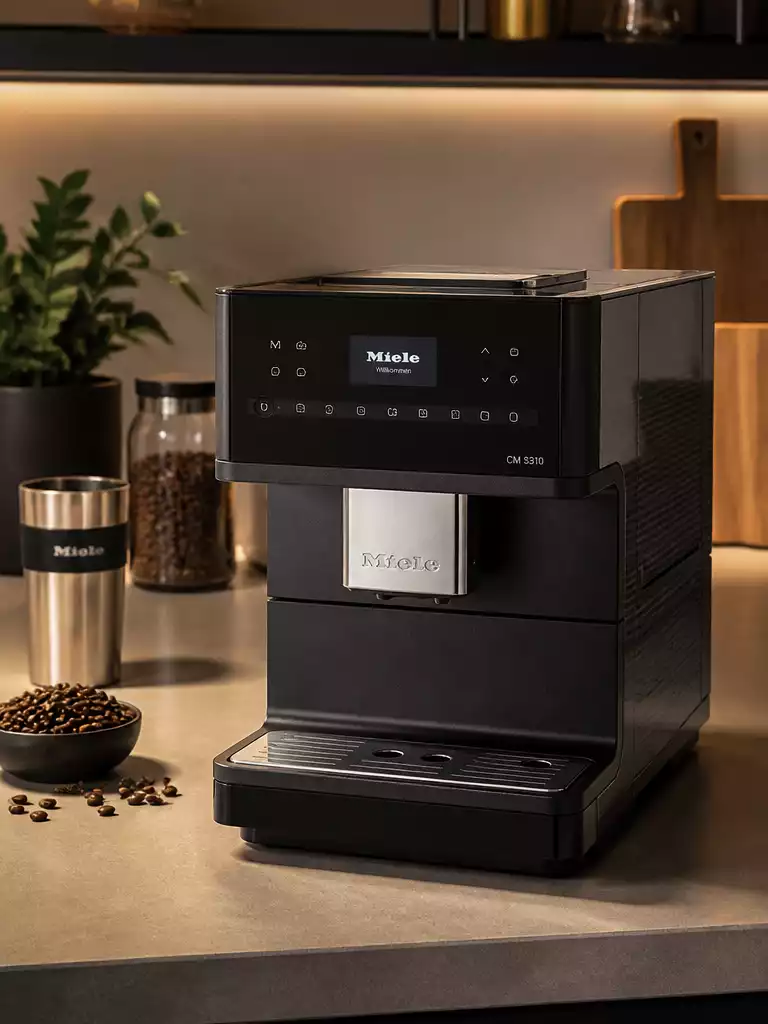
Have you ever found yourself staring at your Miele coffee maker, perplexed by an unexpected error message or strange noise? You’re not alone. Understanding the nuances of your coffee maker can transform your brewing experience from frustrating to delightful.
What You Will Learn
- Recognize symptoms of common Miele coffee maker problems, such as unusual noises and weak coffee.
- Interpret key error codes like E01, E02, and E03 to identify issues quickly.
- Follow step-by-step troubleshooting techniques for resolving brew unit errors and water flow problems.
- Implement a proactive maintenance checklist to keep your coffee maker in top shape and prevent future issues.
Your Guide to Troubleshooting Miele Coffee Maker Issues
As a passionate coffee lover, I know how frustrating it can be when your Miele coffee maker encounters issues. This guide is designed to help you understand and troubleshoot common problems, ensuring you can get back to enjoying your perfect cup of coffee. Let’s dive into the common issues and errors that might arise with your Miele machine!
Recognizing symptoms early can save you time and effort in resolving problems. By knowing what your Miele coffee maker is trying to tell you, you can maintain its functionality and enjoy great coffee every day.
Understanding Common Miele Coffee Maker Problems
Identifying Symptoms: What’s Your Miele Coffee Maker Trying to Tell You?
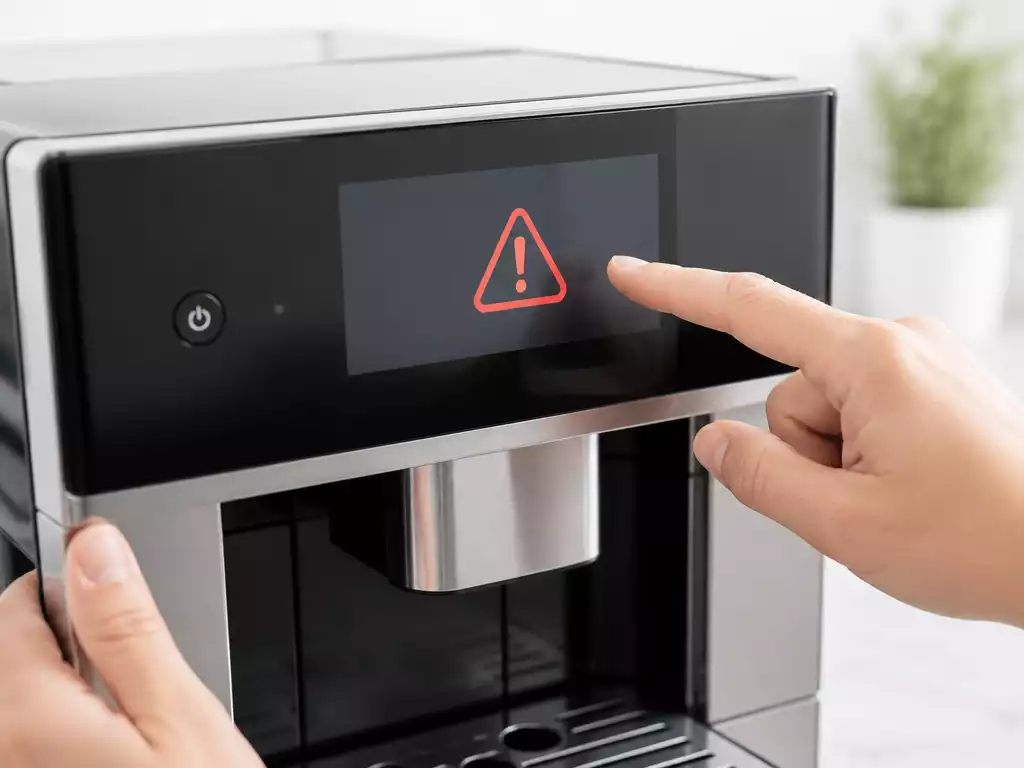
When it comes to troubleshooting, understanding the symptoms is key. Common signs of trouble can include strange noises, error messages on the display, or a lack of coffee output. Here are some symptoms to look out for:
- Unusual beeping sounds
- Inability to brew coffee
- Weak or watery coffee
- Presence of grounds in your cup
Each of these symptoms can point to specific issues within your coffee maker. For example, if you hear persistent beeping, your machine might be alerting you to a problem with the brew unit or water supply.
Common Error Codes and Display Messages Explained
Error codes can be a bit cryptic, but they’re crucial for troubleshooting. Some common error codes you might see include:
- E01: Brew unit error
- E02: Water supply issue
- E03: Coffee grounds container full
- E04: Descaling needed
Understanding these codes can help you quickly identify the problem and take appropriate action. For example, if you encounter an E04 code, it’s time to perform a thorough descaling to keep your machine running smoothly!
Exploring Common Issues with Miele Coffee Makers and Their Solutions
Alongside error codes, knowing the typical problems can be immensely helpful. Here are some common issues I’ve encountered, along with their solutions:
- No coffee dispensing: Check if the brew unit is clogged or the water tank is empty.
- Weak coffee: Ensure you’re using the right grind size and coffee type.
- Wet coffee grounds: This could indicate an issue with the brew unit or insufficient brewing time.
- Water flow problems: Clean the water filter if you notice slow dispensing.
By addressing these common issues promptly, you can prevent them from becoming larger problems down the line.
Step-by-Step Troubleshooting for Miele Coffee Makers
How to Handle Brew Unit Errors
When you receive a brew unit error, first ensure it’s properly seated in the machine. If it appears stuck, take it out, clean it, and then reinsert it. Regular cleaning can help prevent these errors from occurring.
- Remove the brew unit and rinse it under warm water.
- Check for any blockages in the brew path.
- Reinstall the brew unit and run a test brew.
By following these steps, you can often resolve brew unit issues quickly!
Fixing Issues with No Drink Dispensing
Experiencing no drink dispensing? This can be quite a nuisance! Start by checking the water tank and ensure it’s filled.
- Make sure the tank is correctly placed.
- Inspect the water filter for clogs.
- Run a cleaning cycle if necessary.
If you follow these steps and still face issues, it might be time to inspect the inner components for blockages.
Addressing Weak Coffee and Wet Grounds: Causes and Solutions
Weak coffee can be a sign of various issues. It’s essential to ensure the right coffee-to-water ratio, as well as the grind size. Here’s how to tackle this:
- Use freshly ground coffee for better flavor.
- Adjust the grind size to a finer texture.
- Double-check the brewing temperature settings.
By making these adjustments, you should notice a significant improvement in your coffee’s richness and flavor.
Solving Water Flow Problems in Your Miele Coffee Maker
If you’re experiencing water flow problems, it’s crucial to act quickly. Blocked hoses or filters can cause slow or interrupted flow.
- Check the water intake hose for kinks.
- Inspect the water filter and replace it if necessary.
- Run descaling solutions to clear any mineral build-up.
Taking these steps should help restore your Miele coffee maker’s optimal water flow.
Troubleshooting Coffee Extraction Issues for Perfect Brews
To achieve the perfect brew, it’s essential to troubleshoot coffee extraction issues. This can involve checking the brewing temperature and time.
- Ensure the machine is preheated before brewing.
- Experiment with different brewing times for optimal extraction.
- Make sure the coffee grounds are not too old.
By fine-tuning these factors, you can enhance your coffee-making experience and savor a delicious cup!
Pro Tip
Did you know? Regularly descaling your Miele coffee maker can significantly improve its performance and the taste of your coffee. Depending on your water hardness, aim to descale every 3 to 6 months to prevent mineral build-up that can affect brewing efficiency.
Keeping Your Miele Coffee Maker in Top Shape
To ensure your Miele coffee maker continues to deliver that delicious brew day after day, it’s vital to keep it in top condition. Regular maintenance not only extends the lifespan of your machine but also enhances your overall coffee experience. Here’s a guide to help you keep your Miele coffee maker running smoothly!
In this section, I’ll share some effective tips and a checklist to streamline your maintenance efforts. This way, you can focus more on enjoying your coffee and less on troubleshooting!
Preventive Maintenance Checklist for Miele Coffee Makers
Staying proactive with maintenance can help prevent many common issues that coffee makers face. Below, I’ve compiled a comprehensive checklist of routine tasks you should consider:
- Clean the brew unit and coffee grounds container weekly.
- Descale the machine every 3 to 6 months, depending on water hardness.
- Wipe down the exterior and control panel regularly.
- Check and clean the drip tray as needed.
- Inspect the central spout for blockages or buildup.
By following this preventive maintenance checklist, you can significantly reduce the risk of encountering issues with your Miele coffee maker. Remember, a little care goes a long way in keeping your coffee experience delightful!
Routine Cleaning and Maintenance Tasks to Consider
In addition to the checklist, there are specific cleaning tasks that are essential for optimal performance. Here are some routine tasks I recommend:
- Use a soft cloth to clean the exterior of the coffee maker.
- Run a cleaning cycle with Miele’s recommended cleaning tablets monthly.
- Keep the water reservoir clean and free from algae.
Implementing these routine cleaning tasks ensures that your Miele coffee maker operates at its best, maintaining the quality of the coffee it produces!
Common User Mistakes That Can Lead to Issues
As a coffee enthusiast, I’ve seen a few common mistakes that can lead to problems down the line. Here’s a list of what to avoid:
- Neglecting to clean the brew unit, which can cause clogs.
- Using hard water without descaling regularly.
- Overfilling the coffee grounds container.
By steering clear of these mistakes, you can help ensure that your Miele coffee maker remains a reliable part of your daily routine.
Creating a Miele Maintenance Schedule for Longevity
Having a set schedule for maintenance can greatly enhance the longevity of your coffee maker. I suggest creating a calendar that reminds you of key tasks:
- Daily: Wipe the exterior and check water levels.
- Weekly: Clean the brew unit and drip tray.
- Monthly: Perform a descaling cycle.
By establishing this maintenance schedule, you’ll not only help your coffee maker run efficiently but also enjoy a consistently great cup of coffee!
Maximizing Your Miele Coffee Maker’s Features
Your Miele coffee maker is packed with features designed to elevate your brewing experience. Understanding how to take advantage of these features can significantly enhance the quality of your coffee.
Understanding Miele Coffee Maker Features for Enhanced Brewing
Familiarizing yourself with the various features of your machine is key to unlocking its full potential. Here are some features you might want to explore:
- Customizable brew strength settings.
- Programmable start times for fresh coffee when you wake up.
- Integrated milk frother for lattes and cappuccinos.
Utilizing these features allows you to tailor your coffee experience to your preferences—so don’t hesitate to experiment!
Utilizing Miele Accessories to Upgrade Your Coffee Experience
Another way to enhance your Miele coffee maker is by incorporating specialized accessories. Here are a few I’d recommend:
- Milk containers for optimal frothing.
- Additional cleaning supplies specific to Miele machines.
- Water filters to keep your coffee tasting fresh.
Investing in these accessories can further improve your coffee-making process and ensure that every cup is as good as the last!
Frequently Asked Questions (FAQs)
Here are some frequently asked questions about Miele coffee maker troubleshooting and maintenance:
- Q: What does an E01 error code mean on my Miele coffee maker?
A: An E01 error code typically indicates a brew unit error. This often means the brew unit is not properly seated, is clogged, or needs cleaning. Remove, clean, and reinsert the brew unit to resolve this. - Q: Why is my Miele coffee maker dispensing weak or watery coffee?
A: Weak coffee can result from using the wrong grind size (it might be too coarse), insufficient coffee grounds, or incorrect brewing temperature. Adjusting the grind to a finer setting and using fresh coffee can help. - Q: How often should I descale my Miele coffee maker?
A: It is recommended to descale your Miele coffee maker every 3 to 6 months, depending on your water hardness. Regular descaling prevents mineral buildup and ensures optimal performance and coffee taste. - Q: What should I do if my Miele coffee maker is not dispensing any coffee?
A: First, check if the water tank is full and properly placed. Inspect the water filter for clogs and ensure the brew unit is correctly inserted. If issues persist, consider running a cleaning cycle. - Q: Can I use any descaling solution for my Miele coffee maker?
A: It is best to use Miele’s recommended descaling solutions or products specifically designed for Miele coffee makers. Using incompatible solutions can damage your machine and void the warranty.
Final Thoughts on Fixing Your Miele Coffee Maker
Troubleshooting your Miele coffee maker doesn’t have to be a daunting task. With the right knowledge and maintenance, many issues can be resolved easily.
Summing Up Common Troubleshooting Steps
Let’s briefly recap the key troubleshooting steps we’ve discussed:
- Regularly clean and maintain your machine.
- Be aware of common user mistakes.
- Utilize the features and accessories to enhance your brewing.
Having a clear understanding of these steps can save you time and ensure that your coffee maker operates at its best.
Encouragement to Seek Professional Help When Necessary
Remember, it’s okay to seek professional help when you encounter persistent issues. Sometimes, a little expert intervention is necessary to keep your Miele coffee maker functioning optimally. Don’t hesitate to reach out to Miele service if needed—it’s always better to be safe than sorry!
Recap of Key Points
Here is a quick recap of the important points discussed in the article:
- Identify symptoms of your Miele coffee maker, such as strange noises and error messages, to troubleshoot effectively.
- Understand common error codes like E01 for brew unit errors and E02 for water supply issues to act quickly.
- Perform regular maintenance by cleaning the brew unit, descaling the machine, and checking water levels to ensure optimal performance.
- Avoid common user mistakes, such as neglecting to clean the brew unit and using hard water without descaling.
- Utilize your coffee maker’s features, like customizable brew strength and programmable start times, to enhance your coffee experience.