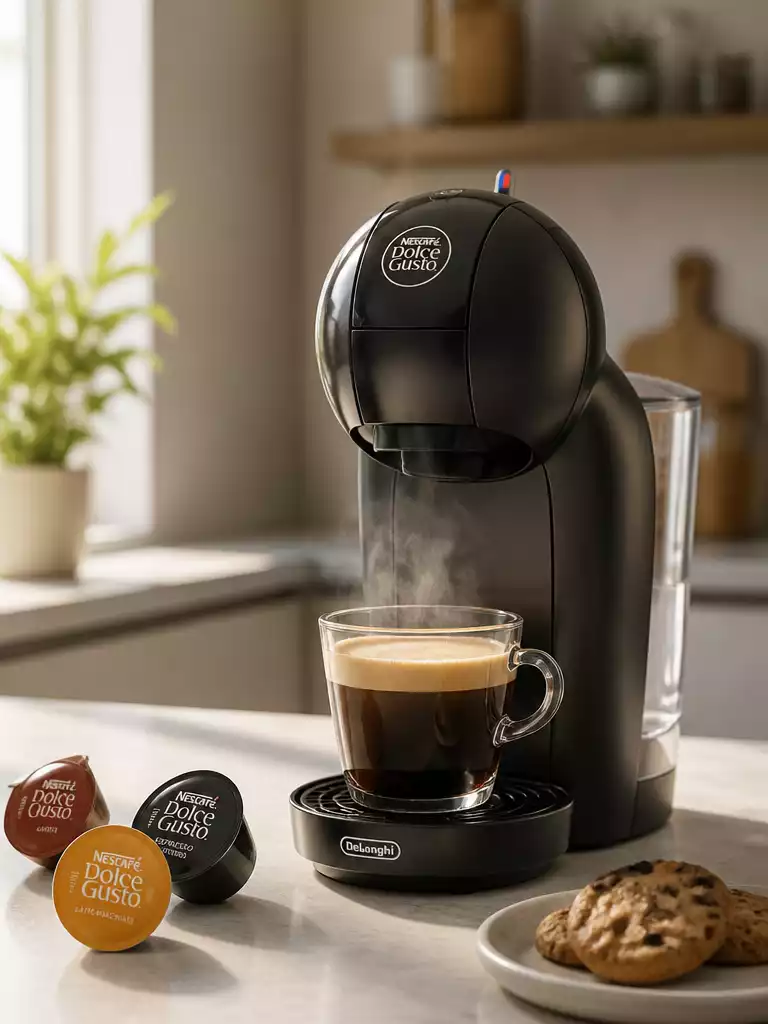
In the world of coffee enthusiasts, having a reliable machine is essential. If your Dolce Gusto coffee maker has been giving you trouble, understanding the common issues and their solutions can save you from many coffee-less mornings.
What You Will Learn
- Identify common symptoms of a non-functional Dolce Gusto coffee maker, such as no coffee flow or the machine not turning on.
- Follow a systematic troubleshooting process, including checking power supply and inspecting water levels.
- Recognize potential electrical issues, including tripped circuit breakers, and learn how to address them.
- Implement preventive maintenance practices, such as regular descaling and cleaning, to prolong your coffee maker’s life.
- Explore DIY repair options and when to consider replacing your coffee maker instead.
- Discover useful accessories that can enhance your coffee brewing experience.
Identifying Issues with Your Dolce Gusto Coffee Maker
It can be frustrating when your Dolce Gusto coffee maker doesn’t perform as expected. Common issues can leave you without your favorite brew, but identifying the problem early can save you time and hassle. Let’s dive into the common symptoms and troubleshooting methods to get your coffee maker back in action!
Common Symptoms of a Non-Functional Machine
When your coffee maker acts up, there are usually a few telltale signs. Here are some common symptoms you might encounter:
- No flow of coffee
- The machine not switching on
- Clogged needles causing brewing issues
Each of these problems can stem from different causes. It’s essential to recognize these symptoms early, as it can help streamline the troubleshooting process and get your coffee back on track!
Troubleshooting Process
A systematic approach to troubleshooting your Dolce Gusto machine is crucial. This means evaluating each component step-by-step rather than guessing where the issue lies. Here’s a quick outline of what that process should look like:
- Check for basic power supply issues.
- Inspect water levels and tank connections.
- Examine for clogs within the needle or brewing unit.
By following this methodical approach, you can methodically eliminate potential issues, saving you time and ensuring your machine gets back to brewing your perfect cup! For more general tips on resolving common problems, you might find our guide on how to fix a coffee maker helpful.
Recognizing Electrical Problems and Circuit Breaker Issues
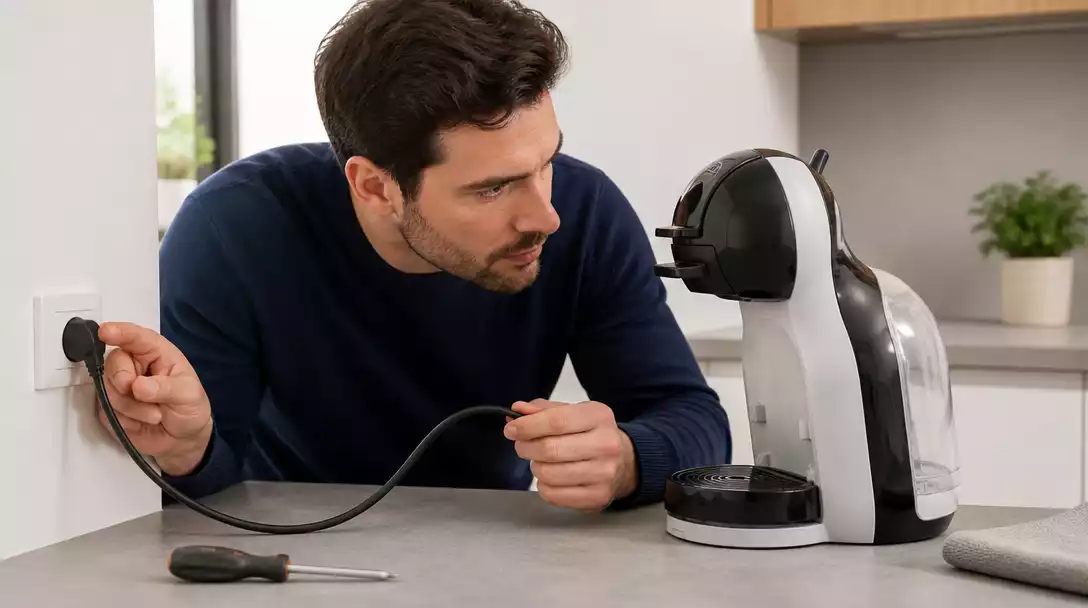
If your coffee maker isn’t turning on at all, it could be an electrical issue. Start by checking that it’s properly plugged in and that the outlet is working. If that all seems fine, don’t overlook the circuit breaker! Here’s how to tackle this:
- Ensure the coffee maker is securely plugged into a functioning outlet.
- Check the circuit breaker for tripped switches.
- If you find a tripped breaker, reset it and test the machine again.
Recognizing and addressing electrical problems early can prevent more significant issues down the line. If you’ve checked these and your machine still won’t power on, it may be time to consider further troubleshooting or reaching out for help!
Pro Tip
Did you know that regularly descaling your Dolce Gusto coffee maker can enhance its performance and extend its lifespan? Aim to descale every 3-6 months to prevent mineral buildup and keep your coffee tasting fresh!
Summarizing Your Troubleshooting Journey
Key Takeaways from the Troubleshooting Process
Throughout your troubleshooting journey with your Dolce Gusto coffee maker, you’ve likely encountered a few common issues. From experiencing no power to dealing with weak coffee flow, it’s essential to recap the key steps we’ve discussed. These steps not only helped identify the problem but also paved the way for effective fixes!
- Check power supply and plug connections for no power issues.
- Inspect water tank levels and needle cleanliness for flow problems.
- Evaluate brewing temperature and extraction for flavor concerns.
By following these steps, you’ve taken a proactive approach to maintaining your machine. This approach can save you both time and money, ensuring that your beloved coffee maker stays in top shape!
Next Steps for Persistent Problems
Sometimes, despite our best efforts, issues can persist. If you’ve tried the troubleshooting steps and your Dolce Gusto still isn’t performing as expected, it may be time to seek professional assistance. Don’t hesitate to contact customer support for help.
- Visit the official Dolce Gusto website for support options.
- Reach out to customer service for troubleshooting assistance.
- Consider local repair services if the issue is beyond simple fixes.
Remember, addressing these issues early can prevent further damage and ensure your machine continues to deliver that perfect cup of coffee!
Enhancing Maintenance and Preventive Care
Best Practices for Preventive Maintenance
To keep your Dolce Gusto coffee maker running smoothly, regular maintenance is key! By incorporating some best practices into your routine, you can reduce the likelihood of future issues. Let’s look at a few essential maintenance tips.
- Descale your machine every 3-6 months to prevent mineral buildup. For specific instructions on cleaning, you might want to check out our guide on how to clean a Nespresso coffee maker, as many principles apply.
- Clean the water tank and drip tray regularly.
- Inspect and clean the needle to ensure proper flow.
By following these simple practices, you can extend the lifespan of your coffee maker and ensure a consistently great brew every time!
The Importance of Descaling Solutions
Descaling solutions play a vital role in maintaining your coffee maker’s performance. These solutions help remove mineral deposits that accumulate over time, especially in areas with hard water. Using a quality descaling solution can significantly enhance your machine’s longevity and efficiency.
Consider descaling your Dolce Gusto every few months to keep it in top shape. Not only will this improve the flavor of your coffee, but it will also reduce wear and tear on the machine. Remember, a well-maintained machine equals a delicious cup of coffee!
DIY Repairs and Replacement Guidance
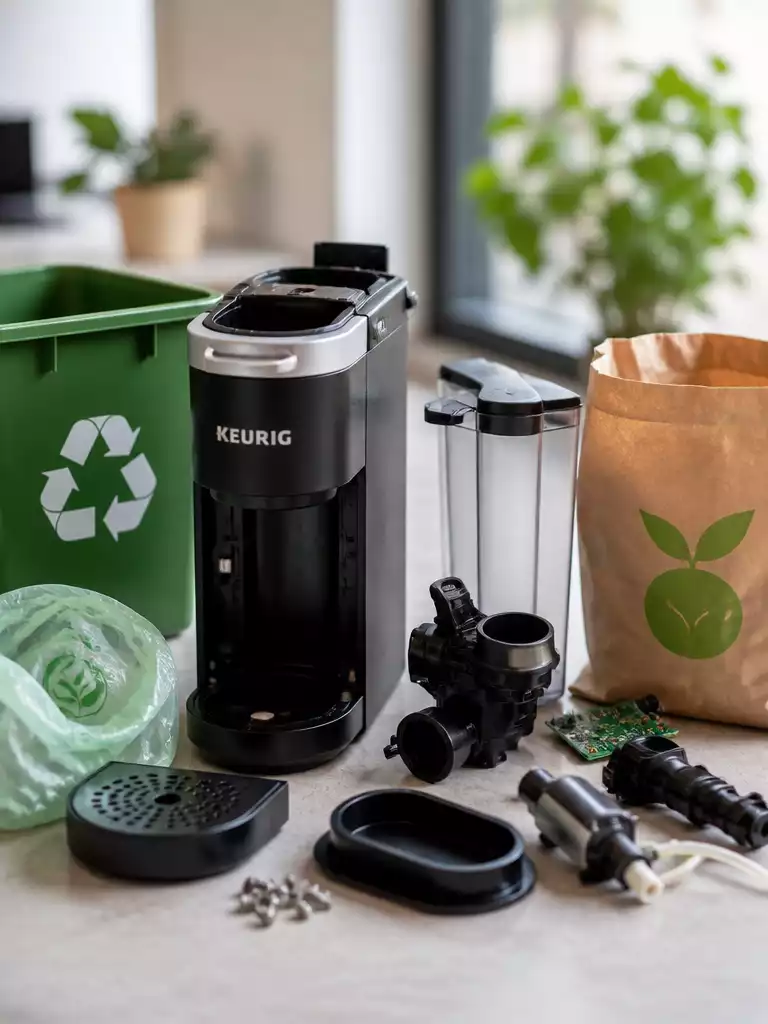
As a coffee lover, I know how tempting it can be to tackle repairs on your own! There are numerous DIY repairs you can try, like unclogging the needle or replacing worn hoses. However, it’s crucial to recognize when a replacement might be more cost-effective than repairs.
- If repairs are frequent and costly, consider replacing the unit.
- Evaluate whether a newer model offers features you desire.
- Check warranty options—some repairs may be covered!
Being informed can help you make the best decision for your coffee brewing needs.
Common Coffee Maker Accessories for Enhanced Performance
To elevate your Dolce Gusto experience, consider investing in some essential accessories. These can not only improve performance but also enhance the overall brewing experience.
- Reusable coffee pods for an eco-friendly option.
- High-quality water filters to improve taste.
- Storage solutions for your coffee pods to keep them fresh.
By adding these accessories, you’re sure to enjoy more great coffee moments at home!
Frequently Asked Questions (FAQs)
- Q: What are the most common issues with a Dolce Gusto coffee maker?
- A: The most common issues include no coffee flow, the machine not turning on, and clogged needles.
- Q: How do I troubleshoot a Dolce Gusto machine that isn’t turning on?
- A: First, ensure it’s securely plugged into a functioning outlet. Then, check your circuit breaker for any tripped switches and reset if necessary.
- Q: How often should I descale my Dolce Gusto coffee maker?
- A: It’s recommended to descale your machine every 3-6 months to prevent mineral buildup and maintain optimal performance.
- Q: Can I perform DIY repairs on my Dolce Gusto machine?
- A: Yes, simple DIY repairs like unclogging the needle or cleaning the water tank can be done. However, for complex issues, it’s best to seek professional help or consider replacement.
- Q: What accessories can improve my Dolce Gusto brewing experience?
- A: Useful accessories include reusable coffee pods, high-quality water filters, and storage solutions for your coffee pods.
Recap of Key Points
Here is a quick recap of the important points discussed in the article:
- Identify common symptoms of issues like no coffee flow or the machine not switching on.
- Follow a systematic troubleshooting process, checking power supply, water levels, and clogs.
- Recognize electrical problems and check circuit breakers if the machine won’t power on.
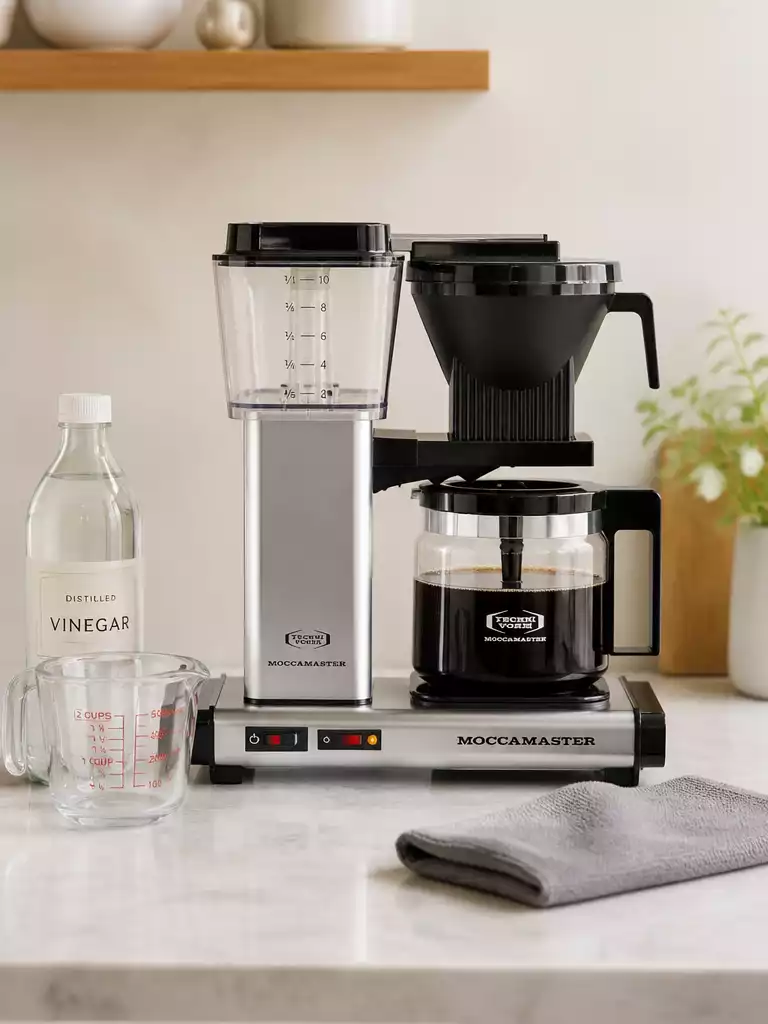
- Maintain your coffee maker with regular descaling, cleaning, and inspection of components. You can learn more about general cleaning techniques by visiting our article on how to clean a coffee maker with vinegar.
- Consider DIY repairs but know when to seek professional help or replacement options.
- Invest in accessories like reusable pods and water filters to enhance brewing performance.