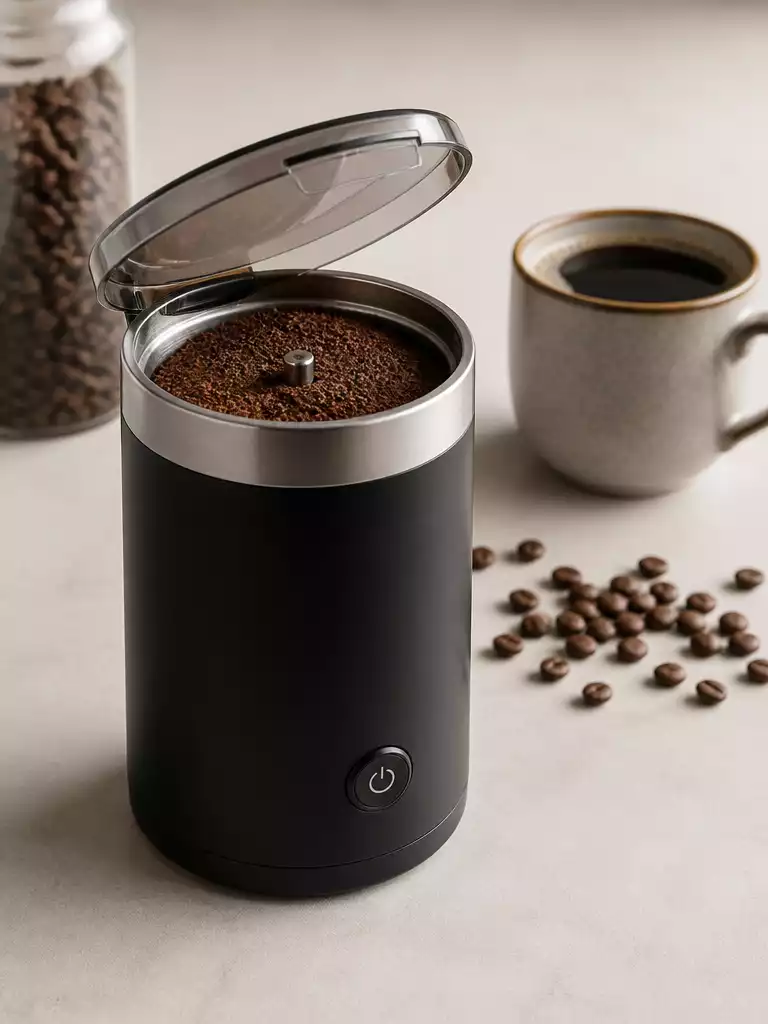
What if your morning ritual was disrupted by a pesky coffee grinder clog? Understanding how to prevent and address these issues can enhance your coffee experience significantly.
What You Will Learn
- The common symptoms indicating your coffee grinder may be clogged, including inconsistent grind size and unusual smells.
- Key reasons behind grinder clogs, such as oil buildup from coffee beans and moisture from improper storage.
- The impact of coffee bean quality on grinder performance, emphasizing the importance of choosing fresh, high-quality beans.
- Essential maintenance tips that can prolong your grinder’s lifespan and enhance the flavor of your coffee.
- Frequently asked questions regarding grinder maintenance and troubleshooting to keep your equipment in top shape.
- How to evaluate brand reliability and customer feedback when selecting a coffee grinder for optimal performance.
Impact of Coffee Grinder Clogs
When you love your morning cup of coffee as much as I do, a clogged coffee grinder can feel like a disaster! Not only does it disrupt your routine, but it can also affect the flavor of your brew. Knowing how to identify and address grinder clogs is essential for any coffee enthusiast. Let’s explore some common signs that your grinder is in distress.
Common Symptoms of a Clogged Coffee Grinder
If your coffee grinder isn’t performing as it should, you might notice a few telltale signs. Here are some common symptoms to watch for:
- Inconsistent grind size
- Loud grinding noises
- Unusual smells, especially burnt odors
- Visible oil buildup or coffee residue
Each of these symptoms can indicate that something’s not quite right with your grinder. It’s crucial to address these issues early on to avoid more significant problems down the line!
Why Do Coffee Grinders Get Clogged?
Understanding the reasons behind clogs can help you maintain your grinder more effectively. Coffee grinders often get clogged due to:
- Oil from coffee beans, especially oily varieties
- Moisture from humid environments or improperly stored beans
- Foreign objects, such as small stones or debris from the coffee beans
By knowing these causes, you can take preventative measures to keep your grinder running smoothly. Proper storage of your coffee beans and regular cleaning can work wonders!
How Coffee Bean Quality Affects Clogs and Grinding Performance
The quality of your coffee beans plays a significant role in how well your grinder functions. Higher-quality beans tend to produce less oil and residue, which means fewer clogs. On the other hand, low-quality beans might contain more impurities that can affect your grinder’s performance. Here’s what to consider:
- Opt for fresh, high-quality coffee beans
- Avoid beans that are overly oily or stale
- Experiment with different roast levels to find what works best
Investing in good beans not only enhances your coffee’s flavor but also contributes to the longevity of your grinder. A little attention to detail goes a long way in ensuring a great cup of coffee!
Pro Tip
To keep your coffee grinder in peak condition, consider running a small amount of uncooked rice through it once a month. This helps absorb oil and clean out residue, ensuring a fresher grind for your coffee!
Final Thoughts on Coffee Grinder Maintenance
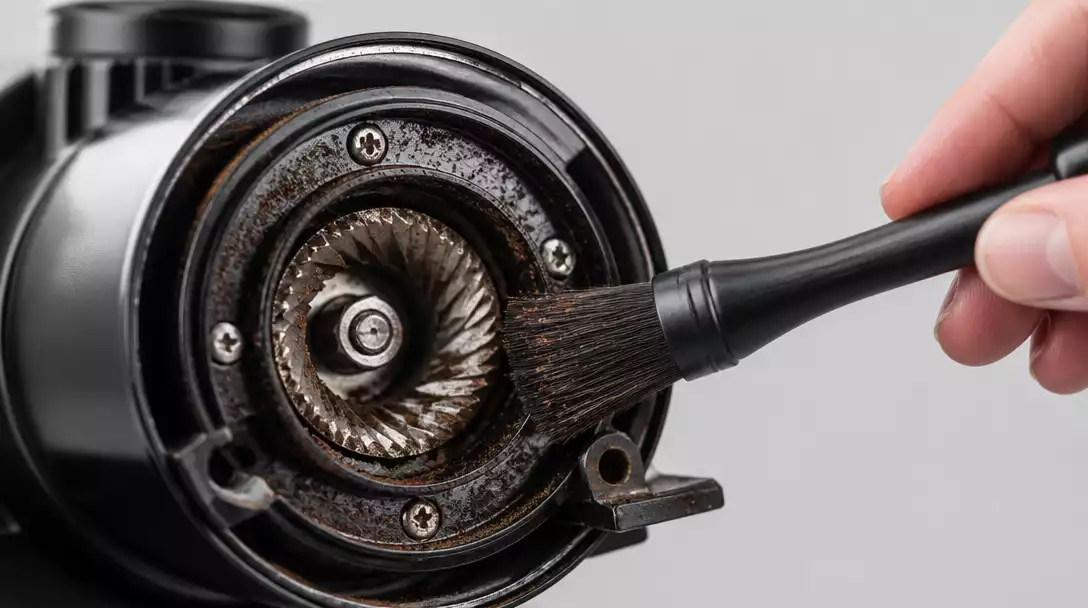
Maintaining your coffee grinder is essential for getting the most out of your beans and ensuring every cup is just right! Regular upkeep not only enhances the flavor of your coffee but also extends the life of your grinder. A few minutes spent on maintenance can save you a lot of time, money, and frustration in the long run.
By prioritizing maintenance, you’ll notice fewer clogs and improved grind consistency. Trust me, spending a little time cleaning your grinder will result in better coffee experiences that you’ll appreciate with every sip.
Why Regular Maintenance is Key to Longevity
Taking care of your coffee grinder is like taking care of a fine instrument—it needs love and attention to perform well! Regular maintenance helps prevent issues like clogs and wear, ensuring you can keep enjoying your favorite brews.
- Prevents buildup of oils and grounds
- Ensures consistent grind size
- Enhances the flavor of your coffee
- Extends the lifespan of your grinder
In my experience, grinders that receive regular cleaning last longer and perform better. So, make it a habit to check your grinder after every few uses!
Frequently Asked Questions About Coffee Grinder Clogs and Maintenance
Having worked with many coffee lovers, I often come across common questions regarding grinder clogs and maintenance. Here are some FAQs that may help you troubleshoot your issues:
- What causes clogs in my grinder? Usually, clogs are due to oil buildup, moisture, or foreign objects.
- How often should I clean my grinder? A good rule of thumb is to clean it every 2-4 weeks, depending on usage. For a thorough guide, you might want to learn how to remove coffee oils from your grinder.
- Can I use water to clean my grinder? Avoid using water directly; it can damage the grinder. Use dry brushes or cleaning pellets instead.
- What are the signs of a clogged grinder? Inconsistent grind size, loud noises, unusual smells, and visible oil residue are common indicators.
- Does coffee bean quality affect grinder clogs? Yes, high-quality, fresh beans produce less oil and residue, reducing the likelihood of clogs.
- Can I use uncooked rice to clean my grinder? Yes, running a small amount of uncooked rice through the grinder can help absorb oils and clean out residue.
These tips can help clarify your concerns and keep your grinder in top shape!
Exploring Customer Reviews and Brand Reliability for Coffee Grinders
When choosing a coffee grinder, it’s essential to consider brand reliability and customer reviews. Not all grinders are created equal, and reading up on experiences can guide your decision. Personally, I always look for brands that have positive feedback regarding their customer service and product quality.
- Check customer ratings on reputable sites
- Look for brands with warranties and good support
- Consider the longevity of the brand in the market
By doing a little research, you ensure that you’re investing in a product that will last and serve you well! And if your grinder ever breaks down, knowing how to fix a coffee maker or grinder can be a valuable skill.
Call to Action: Keep Your Coffee Grinding Smooth
Share Your Experiences and Tips for Maintaining Coffee Grinders
I’d love to hear from you! Share your experiences and any tips you have for keeping coffee grinders in excellent condition. Your insights could help fellow coffee enthusiasts and make our community even stronger!
Feel free to reach out or leave a comment with your thoughts. Together, we can keep our coffee grinding smooth and enjoyable!
Recap of Key Points
Here is a quick recap of the important points discussed in the article:
- Common symptoms of a clogged coffee grinder include inconsistent grind size, loud noises, unusual smells, and visible oil buildup.
- Clogs can occur due to oily coffee beans, moisture, or foreign objects, so proper storage and regular cleaning are essential.
- Using high-quality, fresh coffee beans minimizes oil and residue, improving both grinder performance and coffee flavor.
- Regular maintenance prevents buildup, ensures consistent grind size, enhances flavor, and extends the lifespan of your grinder.
- Cleaning your grinder every 2-4 weeks is recommended, and avoid using water to prevent damage.
- Research brand reliability and customer reviews to select a durable and effective coffee grinder.
Pingback: How To Use A Capresso Coffee Grinder