When it comes to brewing a perfect cup of coffee, the right grinder can make all the difference. Understanding the mechanics of coffee grinders helps you unlock the full flavor potential of your beans. Here’s what you will learn about selecting the ideal grinder for your coffee preferences.
What You Will Learn
- The two primary types of coffee grinders are burr and blade, each affecting grind consistency.
- Grind size directly influences brewing methods; fine, medium, and coarse grinds each serve different purposes.
- Uniform grind size is essential for balanced flavor extraction during brewing.
- Choosing between manual and electric grinders depends on personal preferences for control and convenience.
- Understanding your coffee preferences helps in selecting the right grinder type for the best flavor experience.
- For specialty coffee, consistency in grind and adjustable settings in grinders are crucial.
Understanding the Mechanics of a Coffee Grinder
A coffee grinder is an essential tool for any coffee lover who wants to brew the best cup of joe! At its core, a coffee grinder transforms whole coffee beans into the perfect grind for your brewing method. But how does it work? Simply put, it uses mechanical forces to break down the beans into smaller particles, allowing for optimal flavor extraction during brewing.
Most grinders operate using one of two primary mechanisms: burr or blade. Burr grinders crush the beans uniformly, while blade grinders chop them, leading to inconsistencies. It’s crucial to select the right type of grinder for your preferences and brewing style. If you’re encountering issues, understanding why your coffee grinder isn’t working can help you troubleshoot.
What Is a Coffee Grinder and How Does It Work?
When you use a coffee grinder, you’re engaging in a process that enhances your coffee experience. Coffee grinders work by either grinding or chopping the coffee beans, breaking them down into smaller pieces for brewing. The way the grinder operates directly influences the flavor of your coffee, which is why understanding its mechanics is vital!
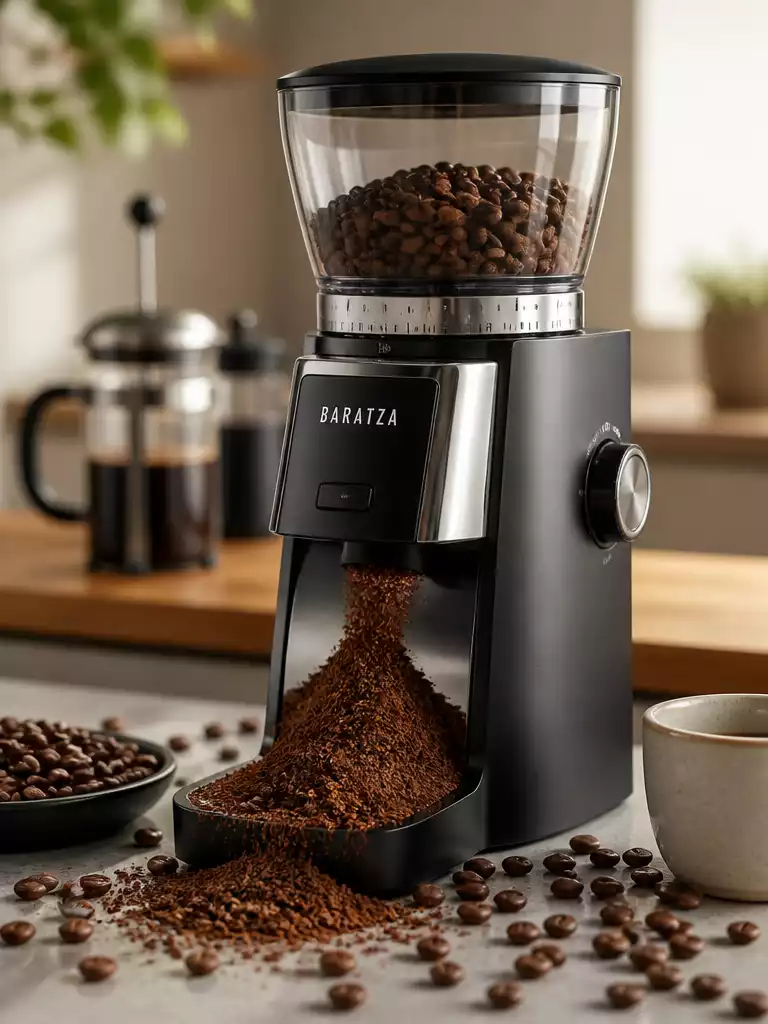
- Burr grinders: Use two revolving abrasive surfaces to crush the beans, providing a consistent grind size.
- Blade grinders: Use a rotating blade to chop the beans, which can lead to uneven grind sizes.
- Electric vs. manual: Electric grinders are quick and easy, while manual grinders offer more control and a hands-on experience.
For those who love precision, burr grinders are often the preferred choice. They help achieve a consistent grind size that leads to a more balanced extraction during brewing.
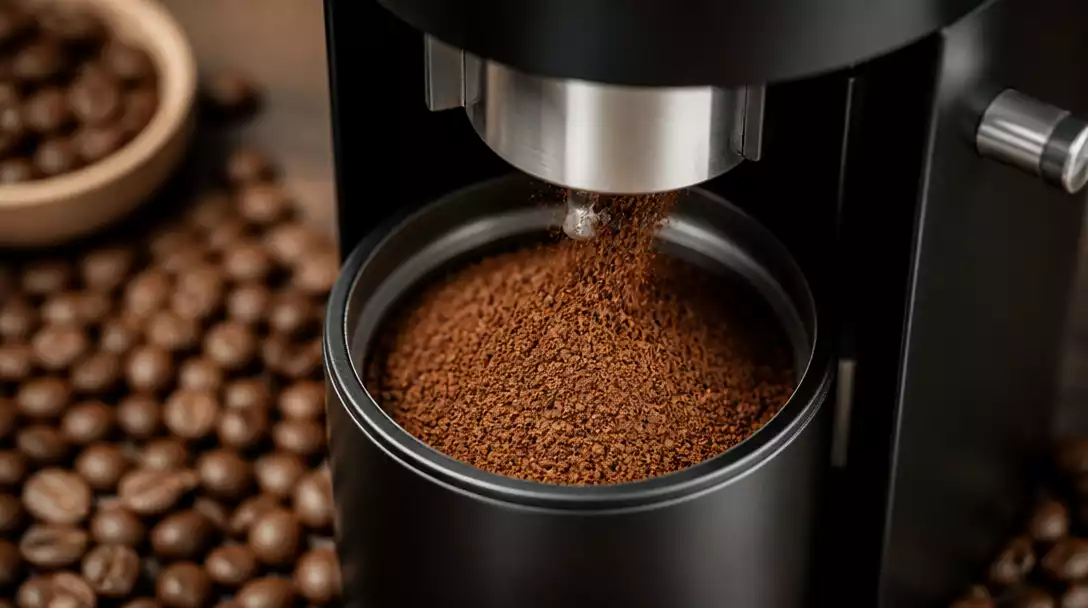
Grind size is not just a matter of preference; it plays a significant role in brewing quality. A finer grind increases the surface area of the coffee, allowing for a quicker extraction of flavors. Conversely, a coarser grind results in slower extraction, perfect for methods like French press or cold brew.
The Role of Grind Size in Brewing Quality
- Fine grind: Best for espresso machines and Aeropress.
- Medium grind: Ideal for drip coffee makers.
- Coarse grind: Recommended for French press and cold brew.
Choosing the right grind size can make or break your coffee experience. If you’re using a method that requires a fine grind, such as espresso, and mistakenly use a coarse grind, you may end up with a weak flavor. That’s why knowing your grind size is essential! For a perfect French press, be sure to know how to grind coffee for French press.
Importance of Grind Uniformity for Flavor Extraction
When it comes to flavor extraction, uniformity in grind size is key. If your coffee grind is uneven, some particles may extract too quickly, while others remain under-extracted. This inconsistency can lead to a sour or bitter taste in your cup.
- Consistent grind: Promotes even extraction for balanced flavors.
- Uneven grind: Can lead to undesirable flavors and an imbalanced cup.
- Burr grinders: Generally provide superior consistency compared to blade grinders.
Investing in a high-quality grinder that prioritizes uniformity can significantly enhance your coffee experience. By ensuring your grounds are evenly sized, you set the stage for a delicious brew every time!
Pro Tip
Did you know? The grind size can significantly impact not just the flavor but also the aroma of your coffee! For the best results, always grind your beans just before brewing. Freshly ground coffee releases essential oils that enhance the overall flavor and aroma, making your coffee experience even more enjoyable.
Making Informed Choices About Coffee Grinders
When it comes to choosing the right coffee grinder, it’s essential to weigh the pros and cons of different types. Each grinder has its unique features that can drastically affect your coffee experience. I always encourage my customers at Café Delight to consider their brewing habits and preferences before making a decision!
- Burr Grinders: Excellent for consistent grind size, ideal for various brewing methods.
- Blade Grinders: Often less expensive, but can create uneven grounds.
- Manual Grinders: Great for travel, providing a hands-on experience.
- Electric Grinders: Convenient and fast, perfect for daily use.
Each option has its strengths and weaknesses, so think about what matters most to you. For some, precision in grind size is critical, while others may prioritize convenience or price. Finding the right balance can lead to a richer coffee experience!
Weighing the Pros and Cons of Different Grinder Types
Let’s dive deeper into what makes each grinder type unique. Here’s a quick breakdown to help you with your decision:
- Burr Grinders: They crush the beans between two revolving surfaces, ensuring uniform grind size. This is crucial for flavor extraction!
- Blade Grinders: They chop the beans using a spinning blade, which can lead to inconsistent grind sizes. This might not be ideal for those serious about their brew.
- Manual Grinders: Often quieter and less messy, but they require some elbow grease. Ideal for the coffee lover who enjoys the process!
- Electric Grinders: Speedy and efficient, but they can be noisy and take up counter space.
Considering these attributes will help you align your choice with your coffee enjoyment goals. For instance, if you’re serious about espresso, investing in a quality burr grinder can make all the difference!
Understanding Your Coffee Preferences to Choose the Right Grinder
Your coffee preferences play a significant role in selecting a grinder. Are you a fan of rich, bold brews or do you prefer lighter flavors? At Café Delight, we often chat with customers about their taste preferences to guide them toward the best grinder. Knowing what you enjoy helps narrow down your options!
- If you love:
- Espresso: Go for a high-quality burr grinder for fine, consistent grounds. For detailed instructions, learn how to grind coffee beans for espresso.
- French Press: A coarse grind is best, so choose a grinder with adjustable settings.
- Pour Over: Medium grind works well; look for versatility in your grinder.
- Cold Brew: Opt for a coarse grind; a burr grinder is ideal here too!
By connecting your grinder choice with your brewing style and flavor preferences, you can enhance your coffee-making journey. It’s all about finding that sweet spot that suits your taste!
Exploring Specialty Coffee and Its Equipment Needs
If you’re diving into the world of specialty coffee, the right grinder becomes even more crucial. Specialty coffee is all about quality, and having the right equipment can elevate your experience tremendously. At Café Delight, we love helping our customers discover the intricacies of specialty coffee!
- Key considerations include:
- Grind consistency: Essential for flavor extraction in specialty brews.
- Grinder type: Burr grinders are preferred for precision.
- Adjustable settings: Look for grinders that allow you to tweak the grind size easily.
- Durability: Invest in a quality grinder that lasts long.
By understanding the needs of specialty coffee, you’ll be better equipped to choose a grinder that not only meets your expectations but exceeds them. It’s an exciting journey, and I’m here to help every step of the way!
Frequently Asked Questions About Coffee Grinders
- What are the two main types of coffee grinders?
- The two main types are burr grinders and blade grinders. Burr grinders crush beans uniformly, while blade grinders chop them, leading to less consistent results.
- Why is grind size important for brewing coffee?
- Grind size directly impacts flavor extraction. A finer grind allows for quicker extraction, suitable for espresso, while a coarser grind results in slower extraction, ideal for French press or cold brew.
- What is grind uniformity and why is it essential?
- Grind uniformity refers to the consistency of particle size in your coffee grounds. It’s essential because it ensures even flavor extraction, preventing sour or bitter tastes from over- or under-extracted particles. Burr grinders generally offer superior uniformity.
- Should I choose a manual or electric coffee grinder?
- The choice depends on your preferences. Manual grinders offer more control and a hands-on experience, often quieter and portable. Electric grinders are convenient, fast, and suitable for daily use, though they can be noisier and take up counter space.
- How do my coffee preferences influence my grinder choice?
- Your preferred brewing method and flavor profile are key. For espresso, a high-quality burr grinder for fine, consistent grounds is best. For French press or cold brew, a grinder with adjustable settings capable of producing a coarse grind is ideal. Matching your grinder to your brewing style enhances your overall coffee experience.
Recap of Key Points
Here is a quick recap of the important points discussed in the article:
- Coffee grinders are vital for achieving the best flavor in your brew, with burr grinders offering a consistent grind size.
- Grind size affects brewing quality; fine grinds are best for espresso, while coarse grinds suit methods like French press.
- Uniformity in grind size ensures balanced flavor extraction, avoiding sour or bitter tastes.
- Choosing between burr and blade grinders depends on your brewing habits and desired flavor precision.
- For specialty coffee, focus on grind consistency, adjustable settings, and durability when selecting a grinder.