Every coffee lover knows the struggle of a malfunctioning grinder. When you need that perfect cup, understanding the common issues can save you time and frustration. Here’s what you can learn about keeping your grinder in top shape.
What You Will Learn
- Identify the common symptoms of a malfunctioning coffee grinder, such as inconsistent grind sizes and strange noises.
- Understand the common causes of grinder failures, including power supply issues and mechanical blockages.
- Learn about the unique issues associated with different grinder types, like clogging in burr grinders and overheating in blade grinders.
- Follow a final checklist to troubleshoot your grinder before seeking professional help, ensuring you cover essential steps.
- Implement preventative maintenance practices, such as regular cleaning and calibration, to keep your grinder in optimal condition.
Why Your Coffee Grinder Is Not Working
When your coffee grinder decides to take a break, it can be downright frustrating. Whether you’re rushing to brew your morning cup or winding down with an evening espresso, a malfunctioning grinder can throw a wrench in your coffee routine. Let’s dive into the common symptoms to look for when your grinder isn’t performing at its best.
Identifying Common Symptoms of a Malfunctioning Grinder
Recognizing the signs that your coffee grinder is having issues can save you time and headaches. Here are some symptoms that may indicate a problem:
- The grinder won’t turn on, leaving you with unground beans.
- Inconsistent grind sizes, resulting in an uneven brew.
- Strange noises during operation that you haven’t heard before.
If your grinder is showing any of these symptoms, don’t panic! A little troubleshooting can often pinpoint the problem. Sometimes it might be a simple fix that gets you back to enjoying your coffee in no time.
Common Causes for Coffee Grinder Failures
Several factors can contribute to your coffee grinder’s failure. Understanding these can help you troubleshoot effectively. Here are some potential culprits:
- Power supply problems: Issues with the outlet or power cord can prevent the grinder from functioning.
- Mechanical blockages: Coffee beans or debris may be obstructing the grinding mechanism.
- Overheating: Extended use can cause parts to overheat, leading to performance issues.
- Parts failures: Worn or damaged components can impact the grinder’s ability to perform.
By identifying these causes, you can narrow down what might be wrong with your grinder. A little bit of investigation can often lead to a quick fix, saving you from unnecessary repairs!
Different Grinder Types and Their Issues
Not all grinders are created equal! The type of grinder you own can influence the common problems you might experience. Let’s take a closer look:
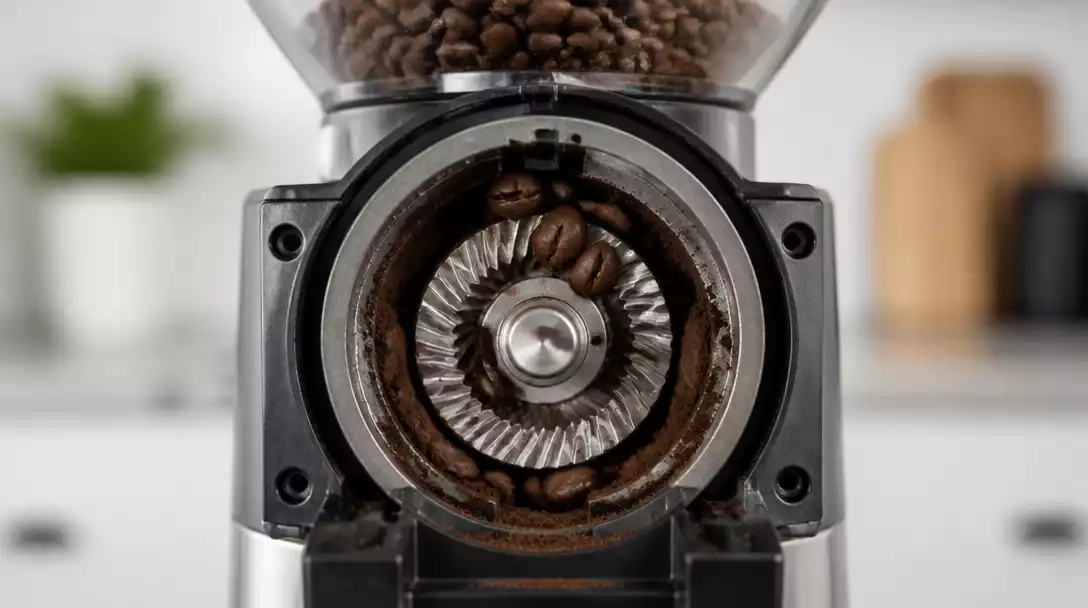
- Burr grinders: These can suffer from clogging, which affects grind consistency.
- Blade grinders: They often produce uneven grinds due to variable blade speed and can overheat quickly.
- Electric grinders: These may have electronic failures or loose connections that cause disruptions.
Understanding the unique issues associated with your grinder type can help you troubleshoot more effectively. Each mechanism has its quirks, and knowing them can be your key to keeping your coffee game strong! For more detailed guidance on how to use specific types, consider exploring how to use a burr coffee grinder or how to use a blade coffee grinder.
Pro Tip
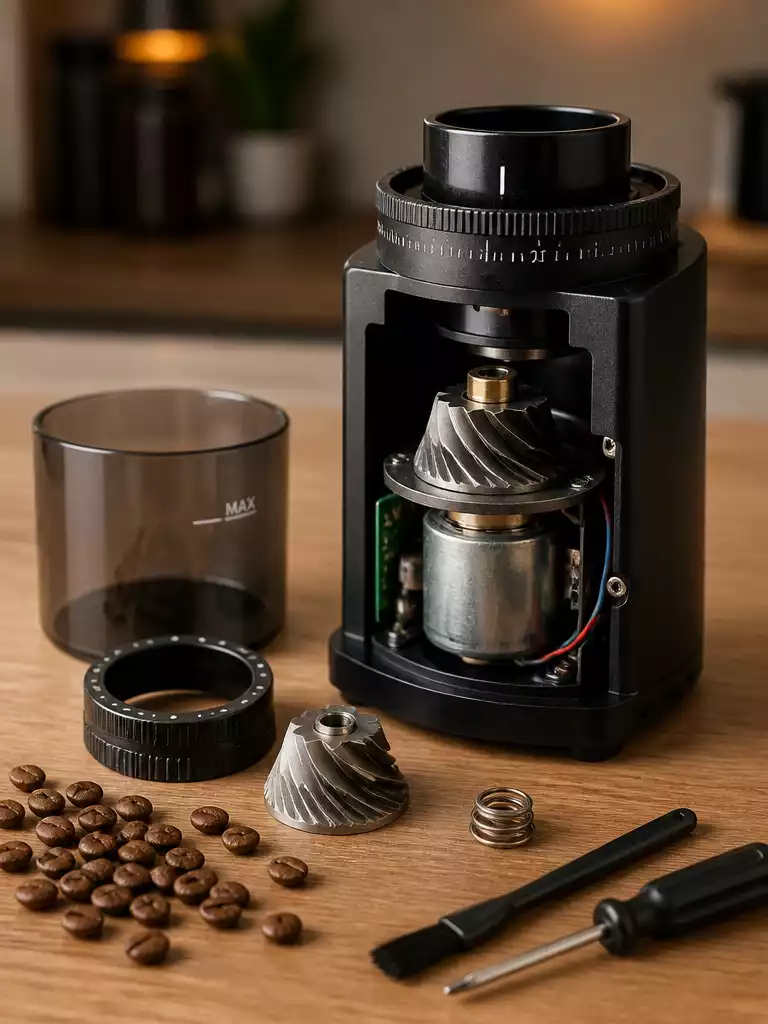
Did you know? Regularly cleaning your coffee grinder can significantly improve its performance and lifespan. Make it a habit to disassemble and clean the grinder’s components every few weeks, removing any coffee residue and oils that can cause blockages and affect grind consistency.
Frequently Asked Questions About Coffee Grinder Issues
- Q: What are the most common symptoms of a malfunctioning coffee grinder?
- A: Common symptoms include the grinder not turning on, inconsistent grind sizes, and strange noises during operation.
- Q: What usually causes coffee grinder failures?
- A: Failures can be caused by power supply issues, mechanical blockages from coffee beans or debris, overheating due to extended use, or worn/damaged parts.
- Q: Are there different issues for different types of grinders?
- A: Yes, burr grinders often experience clogging, blade grinders can produce uneven grinds and overheat, and electric grinders may have electronic failures or loose connections.
- Q: What should I check before calling a professional for my grinder?
- A: Before seeking professional help, check the power supply and connections, inspect for visible blockages, review your user manual for model-specific tips, and check your warranty status.
- Q: How can I prevent my coffee grinder from malfunctioning?
- A: Preventative maintenance includes regular cleaning to prevent residue buildup, calibrating settings for different coffee types, using dry beans, and scheduling periodic inspections to catch early signs of wear. You can learn more about how to maintain your coffee grinder for optimal performance.
Wrapping Up Your Coffee Grinder Troubleshooting
Final Checklist Before Seeking Professional Help
Before you call in the pros, it’s a good idea to take a step back and review a few essential steps. This checklist can save you time and money by ensuring you’ve covered the basics:
- Check the power supply and ensure all connections are secure.
- Inspect the grinder for any visible blockages or debris.
- Review the user manual for troubleshooting tips specific to your model.
- Look into your warranty status to see if repairs are covered.
Completing these steps can often pinpoint the issue or at least provide useful information to share with a technician. Remember, a little prep goes a long way!
Encouraging Preventative Maintenance Practices
Now that you’ve tackled troubleshooting, let’s talk about keeping your coffee grinder in top shape! Regular maintenance is key to avoiding future headaches. Here are some best practices:
- Clean your grinder regularly to prevent residue build-up.
- Calibrate the grinder settings to match your coffee type.
- Use dry beans to minimize moisture and static issues.
- Schedule periodic inspections to catch early signs of wear.
By implementing these simple maintenance tips, you can enjoy your coffee without the stress of unexpected grinder failures! A well-maintained grinder not only lasts longer but also ensures that every cup of coffee you brew is delightful. For example, knowing how to grind coffee for French press perfectly requires a well-maintained grinder.
Next Steps for Coffee Lovers
Resources for Further Assistance and Learning
Looking to deepen your coffee knowledge or troubleshoot further? Here are some fantastic resources at your disposal:
- Watch helpful instructional videos on fixing common grinder issues.
- Download user manuals directly from the manufacturer’s website.
- Read articles on different brewing methods that might influence grinder settings.
These resources can provide insight into both your specific grinder model and enhance your overall coffee experience!
Community Insights and User Experiences
I love hearing from my fellow coffee enthusiasts! Sharing your troubleshooting stories not only helps others, but it can also spark great discussions. Whether you’ve found a unique solution or want to rave about your favorite grinder brand, your experiences matter.
Consider joining forums or social media groups dedicated to coffee lovers. Your insights can inspire others and create a community of support. Remember, we’re all in this together on our quest for the perfect brew!
Recap of Key Points
Here is a quick recap of the important points discussed in the article:
- Identify common symptoms of a malfunctioning grinder, such as failure to turn on and inconsistent grind sizes.
- Understand potential causes for grinder failures, including power supply issues and mechanical blockages.
- Different grinder types, like burr and blade grinders, have unique issues that can affect performance.
- Before seeking professional help, check power connections and inspect for blockages.
- Implement preventative maintenance practices, such as regular cleaning and calibrating settings.
Pingback: How Does Coffee Grinder Work
Pingback: Coffee Grinder Not Grinding