Have you ever looked forward to your morning coffee, only to be met with a grinding halt? A malfunctioning grinder can be the silent culprit behind your brewing woes. Let’s explore the crucial factors that can help you identify and resolve these common coffee grinder issues!
What You Will Learn
- Recognize the common symptoms of a malfunctioning coffee grinder, such as no grind, weak grind, or unusual noises.
- Understand the importance of assessing the motor’s performance to diagnose grinding issues effectively.
- Identify foreign objects and clean clogged chutes to restore optimal grinder function.
- Learn about burr wear and misalignment, and why regular checks can extend your grinder’s life.
- Discover the impact of coffee bean selection on grind quality and how to choose the right beans for your grinder type.
Why Your Coffee Grinder Is Not Grinding
If you’ve ever experienced frustration with your coffee grinder, you’re not alone! A malfunctioning grinder can ruin your morning routine and leave you craving that perfect cup of coffee. In this section, I’ll share the common symptoms that indicate a grinder issue, along with key factors that could be contributing to these problems. Let’s dive in!
Common Symptoms of a Malfunctioning Coffee Grinder
Signs to Look For: No Grind, Weak Grind, or Grinding Noise
First, let’s discuss some common signs that your coffee grinder might be in trouble. You might notice:
- No grind at all – the motor runs, but nothing happens.
- A weak grind – your coffee comes out uneven and not fine enough.
- Unusual grinding noises that weren’t there before.
Each of these symptoms can indicate different underlying issues, so it’s essential to pay attention to what your grinder is telling you! For more comprehensive troubleshooting, you might find our guide on why your coffee grinder isn’t working helpful.
Assessing the Situation: Is the Motor Running?
The first thing to check when your grinder isn’t performing well is whether the motor is actually running. If it’s silent, you might be dealing with an electrical issue. On the flip side, if it’s running but not grinding, it could indicate problems with the burrs or blades. Here’s what to do:
- Listen for the motor – is it humming or completely silent?
- Check for vibrations – the grinder should have some movement.
- Inspect the power source – ensure everything is plugged in correctly.
By doing a quick assessment, you can narrow down the potential causes of the problem!
Key Factors Contributing to Grinding Issues
Foreign Objects: The Hidden Culprits
Sometimes, the culprit behind a malfunctioning grinder is something as simple as a foreign object lodged in the grinder. This could be a small stone, piece of plastic, or even a rogue coffee bean. Checking for these hidden culprits is vital to restoring your grinder’s performance!
- Remove the hopper and inspect the grinding chamber.
- Look for any visible blockages or debris.
- Ensure no small items have fallen into the grinder.
Removing any foreign objects can often resolve the grinding issues quickly!
Clogged Chute and Jammed Burrs: Identifying Blockages
Another common issue is a clogged chute or jammed burrs. Over time, coffee oils and grounds can build up, leading to blockages. It’s essential to keep these areas clean to maintain optimal grinding performance. Here’s how to check:
- Inspect the chute for coffee grounds buildup.
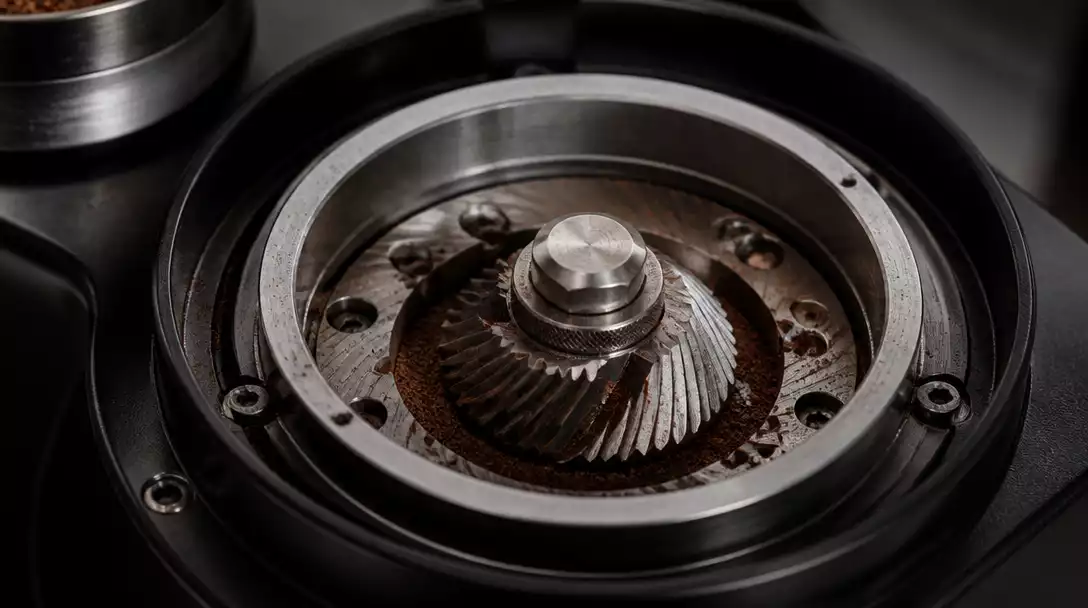
- Remove burrs and clean them thoroughly.
- Look for any signs of wear or damage.
Regular maintenance can help prevent these problems from arising in the first place!
Burr Wear and Misalignment: When to Check Your Grinder’s Parts
As a coffee lover, I’ve learned that burr wear and misalignment can significantly impact grind quality. If your grinder has been in use for a long time, it’s worth checking the burrs. Here’s what to look for:
- Check for burr sharpness – dull burrs can lead to inconsistent grinds.
- Ensure that the burrs are properly aligned.
- Listen for any grinding noises that indicate misalignment.
Addressing burr wear promptly can help extend the life of your grinder!
Motor Overload: Understanding Your Grinder’s Limits
If you’ve been using your grinder for a prolonged period, the motor may become overloaded. This is especially true if you’re grinding large amounts of coffee at once. To prevent motor issues, consider the following:
- Limit grinding sessions to avoid overheating.
- Allow the grinder to cool down between uses.
- Use the grinder’s settings appropriately – don’t overwork it!
Being mindful of the motor’s limits can prevent unnecessary damage!
Incorrect Grind Settings: Finding the Right Size
Finally, incorrect grind settings can also contribute to your grinder’s struggles. Adjusting the grind size to match your brewing method is crucial. If your grind is too coarse or too fine, it can lead to brewing issues. Here’s how to find the right settings:
- Refer to the grinder’s manual for recommended settings.
- Experiment with small adjustments based on your preferred brew method.
- Test different sizes until you achieve the desired flavor.
Finding the right grind size can make all the difference in your coffee experience!
The Impact of Coffee Beans on Grinding Performance
How Coffee Beans Affect Grind Quality and Extraction
Lastly, we can’t forget about the coffee beans themselves! The type of beans you use can significantly affect grind quality and extraction. For example, oily beans may cause more build-up in your grinder, leading to potential issues. Here’s what to consider:
- Choose beans that match your grinder type.
- Avoid overly oily or flavored beans that can clog your grinder.
- Store beans properly to maintain freshness.
Using the right beans not only enhances flavor but also protects your equipment!
Choosing the Right Coffee Beans for Your Grinder Type
When selecting coffee beans, it’s essential to consider the type of grinder you have. Some grinders perform better with specific roast levels or bean types. Here’s a quick guide:
- For burr grinders, medium to dark roasts work well.
- Blade grinders can handle a variety of beans but may not produce the finest grind.
- Research your grinder’s specifications to find the best match!
Making informed choices about your coffee beans can lead to a better grind and an even better cup of coffee!
Frequently Asked Questions About Coffee Grinder Issues
- Q: What are the most common signs of a malfunctioning coffee grinder?
- A: Common signs include no grind at all (motor runs but nothing happens), a weak or inconsistent grind, and unusual grinding noises.
- Q: How can I tell if my grinder’s motor is the problem?
- A: Listen for the motor: if it’s completely silent, it might be an electrical issue. If it hums or vibrates but nothing grinds, the problem is likely with the burrs or blades.
- Q: What should I do if I suspect a foreign object is jamming my grinder?
- A: Always unplug your grinder first. Then, remove the hopper and carefully inspect the grinding chamber for any visible blockages or debris. Remove them carefully.
- Q: How often should I clean my coffee grinder to prevent clogs?
- A: Regular cleaning is crucial. Aim for a monthly deep clean to remove coffee oils and grounds buildup from the chute and burrs. You can learn more about how often to clean your coffee grinder here.
- Q: Can incorrect grind settings damage my grinder?
- A: While incorrect settings usually won’t damage the grinder, they can lead to poor grind quality and an unsatisfying brew. Always adjust the grind size to match your brewing method for optimal results.
We Want to Hear From You!
Have you ever encountered a frustrating issue with your coffee grinder? What was the problem, and how did you resolve it? Share your thoughts below:
Summarizing Key Insights on Coffee Grinder Maintenance
It’s essential to stay informed about what can go wrong with your coffee grinder. Common issues include foreign objects causing jams, clogged chutes, and burr wear. Each of these problems can prevent your grinder from producing the rich, flavorful grind you crave! Here’s a quick recap of the most common causes and their solutions:
- Foreign Objects: Always check for stray items before use.
- Clogged Chute: Regularly clean to ensure smooth grinding.
- Burr Wear: Inspect for signs of wear and replace if necessary.
- Motor Overload: Know the limits of your grinder to avoid overworking it.
- Incorrect Settings: Adjust the grind size according to your brewing method.
By addressing these issues promptly, you can save time, money, and ensure a consistently great cup of coffee. Regular checks can also prevent minor annoyances from becoming major headaches! For more details on how these components work, check out our article on how a coffee grinder works.
Importance of Regular Maintenance for Longevity
Regular maintenance is the key to keeping your coffee grinder in top shape. It extends the life of your grinder and consistently delivers the best grind quality. Just like any other appliance, neglecting your grinder can lead to bigger problems down the line!
- Establish a Cleaning Schedule: Aim for a monthly deep clean.
- Check Burr Alignment: Ensure burrs are properly positioned for optimal grinding.
- Inspect for Wear: Keep an eye out for wear and tear on parts.
By integrating these simple practices into your routine, you’ll find that your coffee grinder not only lasts longer but also provides the delightful coffee experience you deserve!
Take Action: Keep Your Coffee Grinder Grinding Smoothly
Utilize Our Checklist for Quick Troubleshooting
We’ve put together a handy checklist to help you troubleshoot your coffee grinder efficiently. This can save you time and frustration when you’re in need of that morning brew! Here’s what to do:
- Unplug Your Grinder: Safety first!
- Inspect for Blockages: Check the chute and burrs for obstructions.
- Adjust the Grind Size: Set according to your brewing method.
- Clean the Burrs: Regular maintenance keeps everything running smoothly.
With this checklist, you can tackle common grinder issues quickly and effectively. Coffee lovers rejoice!
Engage with Us: Share Your Coffee Grinding Experiences
We love hearing from fellow coffee aficionados! If you’ve faced any unique challenges with your grinder or have tips to share, don’t hesitate to reach out. Your experiences can help others in our community! Whether it’s a favorite cleaning trick or a special brewing method you swear by, your insights are invaluable.
Join us on social media or drop a comment below to start the conversation! Together, we can keep our coffee grinders and our brews in top form!
Recap of Key Points
Here is a quick recap of the important points discussed in the article:
- Always check for foreign objects that may cause jams before using your grinder.
- Regularly clean the chute to prevent clogging and ensure smooth grinding.
- Inspect burrs for wear and replace them when necessary to maintain grind quality.
- Be mindful of your grinder’s limits to avoid motor overload during prolonged use.
- Adjust grind settings based on your brewing method for optimal flavor extraction.