As you embark on your journey through the world of antique coffee grinders, consider this: each grinder tells a story, a narrative woven through time that reflects not only craftsmanship but also cultural evolution. This adventure goes beyond mere collection—it’s about understanding history.
What You Will Learn
- Antique coffee grinders are characterized by their craftsmanship, with intricate designs showcasing the artistry of their era.
- Key materials, such as wood and cast iron, are essential in dating and valuing these collectibles.
- Recognizing historical context and design styles can provide insights into the grinder’s origins.
- Understanding the condition of a grinder is crucial, as it significantly affects its market value.
Antique Coffee Grinders: A Path to Dating
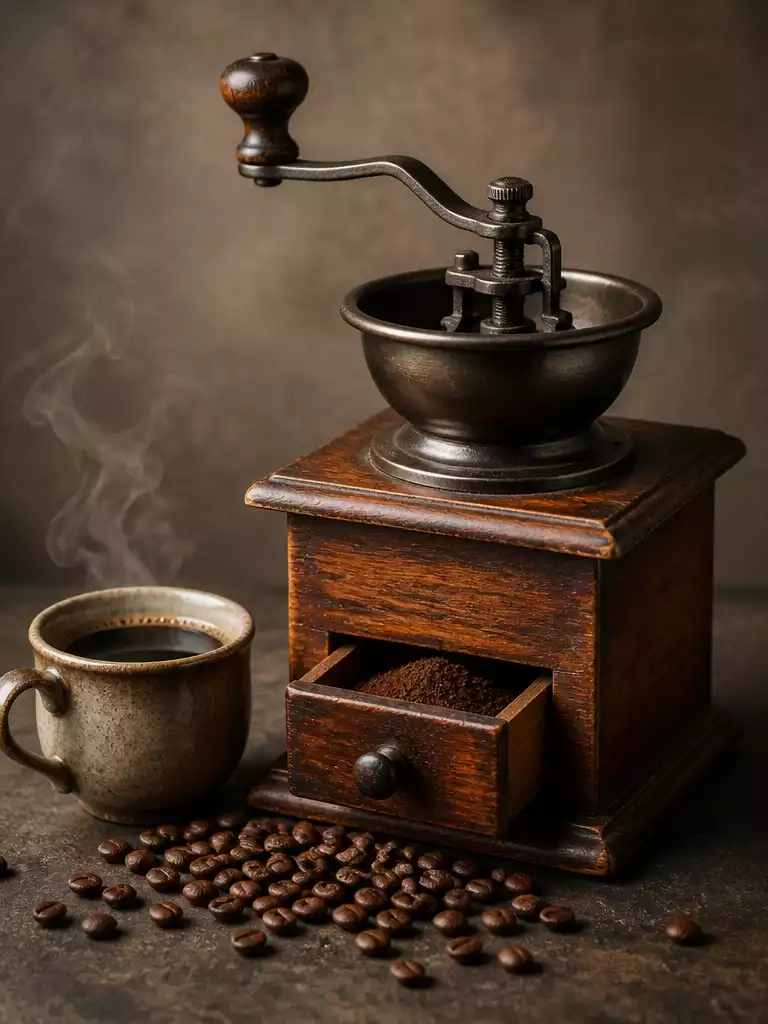
Antique coffee grinders hold a unique charm and intriguing history that make them sought-after collectibles. As someone passionate about vintage items, I’m always amazed by the stories these grinders tell, from their craftsmanship to their role in coffee culture. Each grinder is more than just a tool for brewing; it’s a piece of history waiting to be appreciated!
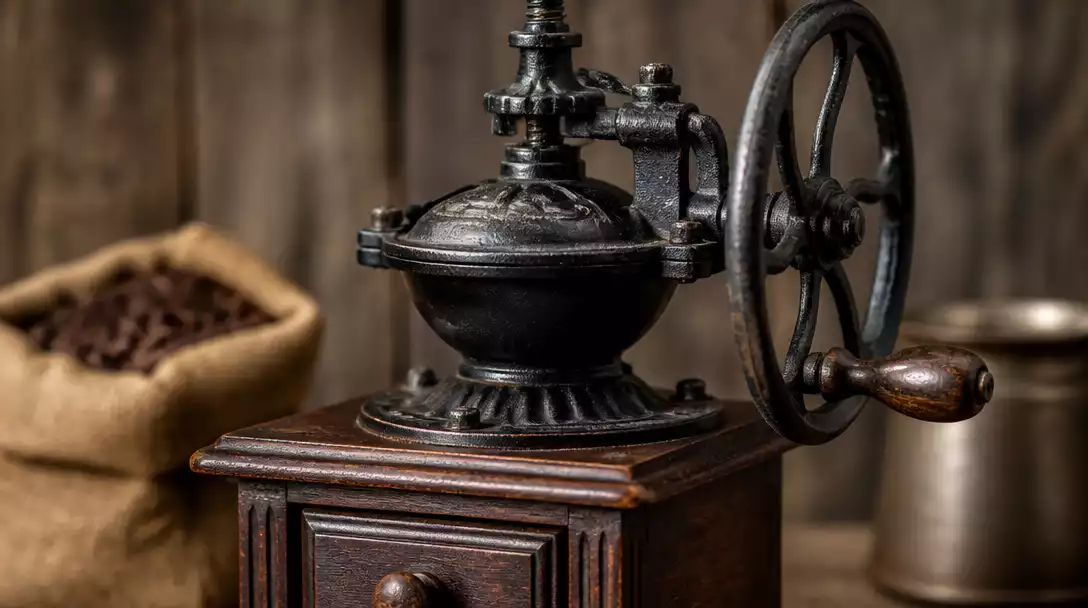
What truly sets antique coffee grinders apart is their distinctive designs and materials. From ornate wood finishes to sturdy cast iron components, every detail reflects the era in which it was crafted. In the following sections, I’ll share insights on what makes these grinders so captivating and how you can effectively date them!
What Makes Antique Coffee Grinders Unique?
Now, let’s dive into the essence of these vintage treasures! Antique coffee grinders are unique for several reasons:
- Craftsmanship: Each grinder often showcases intricate designs that highlight the artistry of the period.
- Materials Used: Many grinders are made from high-quality woods or durable metals that speak to their longevity.
- Historical Significance: These grinders offer a glimpse into the coffee culture of their time, often reflecting the preferences of the era.
These unique features not only enhance their aesthetic value but also contribute to their collectability. When searching for a grinder, you’ll want to pay close attention to these elements. The allure of vintage coffee grinding is not just in the grind itself but in the journey of appreciating each piece!
The Allure of Vintage Coffee Grinding
There’s something magical about using a vintage grinder. The smell of freshly ground coffee beans mixed with the nostalgia of past brewing traditions brings coffee lovers and collectors alike to a shared experience. For many, it’s about more than just making coffee; it’s about connecting with history!
As you explore antique grinders, consider the stories behind each piece. Whether it’s a family heirloom or a find at an estate sale, each grinder has its own narrative waiting to be discovered. This connection to the past is what makes vintage coffee grinding an enjoyable hobby! If you’re passionate about grinding fresh coffee, you might also be interested in learning how to use a Cuisinart coffee grinder for modern brewing.
Key Features to Observe in Antique Grinders
To effectively date and appreciate antique coffee grinders, focus on these key features:
- Body Material: Is it made from wood, cast iron, or a combination?
- Grinding Mechanism: Look for the type of grinding mechanism, whether manual or early electric models.
- Design Elements: Pay attention to decorative motifs or engravings that could hint at the era.
- Branding Marks: Any maker’s mark can significantly enhance both value and dating accuracy.
By carefully observing these features, you can piece together the puzzle of your grinder’s history. This journey not only enriches your knowledge but also deepens your appreciation for the craft of coffee grinding!
Defining Search Intent: Why Date an Antique Coffee Grinder?
When considering why you might want to date an antique coffee grinder, it’s essential to understand your goals. Are you seeking information for personal enjoyment, or are you looking to buy and sell? Clarifying your search intent can guide you in your exploration!
In my experience, knowing whether your intent is informational or commercial can significantly shape your research approach. Let’s break this down further!
Informational vs. Commercial Intent
Understanding the distinction between these two types of intent is crucial:
- Informational Intent: This is when you’re simply curious about a grinder’s history or features.
- Commercial Intent: This involves buying, selling, or appraising an antique grinder.
Recognizing your intent helps streamline your search for information, ensuring you gather the most relevant and valuable data. Whether for personal interest or financial gain, knowing your purpose will lead you in the right direction!
Understanding Collectability and Value
Antique coffee grinders can vary significantly in terms of collectability and value. Factors such as age, rarity, and condition play pivotal roles. As a collector, you’ll want to prioritize features that enhance value, like original parts and unrestored patina.
A well-documented history can also boost a grinder’s appeal. When researching, consider the following:
- Condition: Is the grinder in working order? Any repairs or modifications?
- Market Demand: What are current trends in antique coffee grinder collecting?
- Rarity: How many of these grinders are on the market? Are they commonly found?
By understanding these aspects, you’ll be better equipped to assess the value of your antique coffee grinder. For those interested in maintaining their grinders, learning how to clean a coffee grinder properly is also a valuable skill.
The Role of Coffee Grinding Techniques in Value Assessment
The technique used in coffee grinding can also impact the value of antique grinders. Different grinders employ various grinding mechanisms, which can affect the flavor of the coffee produced. As collectors, we should also appreciate how these techniques influenced coffee culture at different points in history.
Here’s why this matters:
- Grinding Consistency: Some grinders produce a more consistent grind, enhancing the coffee experience.
- Grinding Speed: Vintage manual grinders may offer a slower grind, often preferred by coffee aficionados.
- Adaptability: Some models may be more adaptable to modern coffee brewing methods.
By examining these techniques, you not only learn more about the grinder but also embrace the broader context of coffee brewing practices through the ages!
Pro Tip
When dating an antique coffee grinder, always take the time to research the maker’s mark. A simple online search can reveal valuable insights about the grinder’s age, origin, and even its place in coffee history, enhancing both your knowledge and your collection!
Frequently Asked Questions About Antique Coffee Grinders
- What makes an antique coffee grinder unique?
- Antique coffee grinders are unique due to their intricate craftsmanship, high-quality materials (like wood and cast iron), and historical significance, offering a glimpse into past coffee cultures.
- What are the key features to observe when dating an antique coffee grinder?
- Key features include the body material (wood, cast iron), the type of grinding mechanism, design elements and decorative motifs, and any visible branding or maker’s marks.
- Why is it important to define your search intent when researching antique grinders?
- Defining your search intent (informational vs. commercial) helps streamline your research, ensuring you gather the most relevant data whether you’re simply curious or looking to buy/sell/appraise a grinder.
- What factors influence the collectability and value of an antique coffee grinder?
- Factors such as age, rarity, condition (especially original parts and unrestored patina), market demand, and well-documented history significantly influence a grinder’s collectability and value.
- How can engaging with the antique community enhance my collecting journey?
- Engagement through forums, local events, and sharing discoveries can enrich your understanding, provide new insights, and help build lasting relationships with fellow collectors and experts.
Wrapping Up the Journey of Dating Antique Coffee Grinders
As we’ve explored the fascinating world of antique coffee grinders, it’s clear that dating these treasures requires attention to detail. From examining physical features to decoding marks and understanding historical context, each step is a journey that adds depth to your collecting experience. Whether you’re a seasoned collector or just starting out, remember these key takeaways that can guide your dating adventure.
Key Takeaways from Your Antique Dating Adventure
To ensure you walk away with a solid understanding of how to date antique coffee grinders, let’s summarize some essential clues and techniques:
- Physical Features: Look for materials such as wood or cast iron that signify the era.
- Marks and Patent Dates: Familiarize yourself with maker’s marks and how to interpret patent dates.
- Historical Context: Recognize design styles and manufacturers relevant to specific periods.
- Condition Matters: Understand how the condition of a grinder can impact its value.
By keeping these points in mind, you’ll enhance your ability to confidently date your antique coffee grinders, adding value not just to your collection but also to your appreciation of coffee history! For comparison, you might also be interested in learning how to use a Hario coffee grinder, a popular modern manual grinder.
Encouraging Engagement in the Antique Community
Engagement is a vital part of the antique collector’s journey. Connecting with fellow collectors and experts can enrich your understanding and provide new insights. Here’s how you can actively participate in the antique community:
- Join Forums and Groups: Online communities are great for sharing knowledge and experiences.
- Attend Local Events: These gatherings are perfect for networking and learning from seasoned collectors.
- Share Your Discoveries: Your findings could provide valuable insights to others in the community.
- Collaborate on Projects: Working with others can lead to unique opportunities for education and growth.
By connecting with others who share your passion, you’ll not only gain knowledge but also build lasting relationships that can inspire your collecting journey.
Sharing Your Findings: The Value of Community Knowledge
Once you’ve gathered your antique coffee grinder insights, don’t keep them to yourself! Sharing your findings can foster a supportive culture among collectors. Participate in discussions, write blog posts, or even start a social media page dedicated to your collection. The community thrives on shared knowledge, and you can play a vital role in that.
Attending Antique Auctions and Fairs: Opportunities for Collectors
Finally, let’s not forget the excitement of attending antique auctions and fairs. These events offer unique opportunities to discover rare pieces, meet other collectors, and learn more about the history behind your favorite artifacts. Here’s why you should consider attending:
- Access to Rare Finds: Auctions often feature unique items that aren’t available elsewhere.
- Networking Opportunities: Meet industry experts and fellow enthusiasts who can help you expand your knowledge.
- Hands-On Learning: Engage directly with items, allowing for a deeper understanding of features and values.
- Community Bonding: Share experiences with others who appreciate the beauty of antique coffee grinders.
Whether you’re looking to acquire new pieces or just immerse yourself in the culture of antique collecting, these events are invaluable. You might even find antique counterparts to modern devices, much like exploring how to use a coffee maker for today’s brewing needs.
Recap of Key Points
Here is a quick recap of the important points discussed in the article:
- Craftsmanship and Materials: Antique coffee grinders feature intricate designs and high-quality materials that reflect their era.
- Key Features for Dating: Observe body material, grinding mechanism, design elements, and branding marks to date grinders accurately.
- Understanding Collectability: Factors like age, rarity, and condition are crucial in assessing the value of antique grinders.
- Engagement in the Community: Participate in forums, attend events, and share discoveries to enhance your knowledge and connections in the antique community.