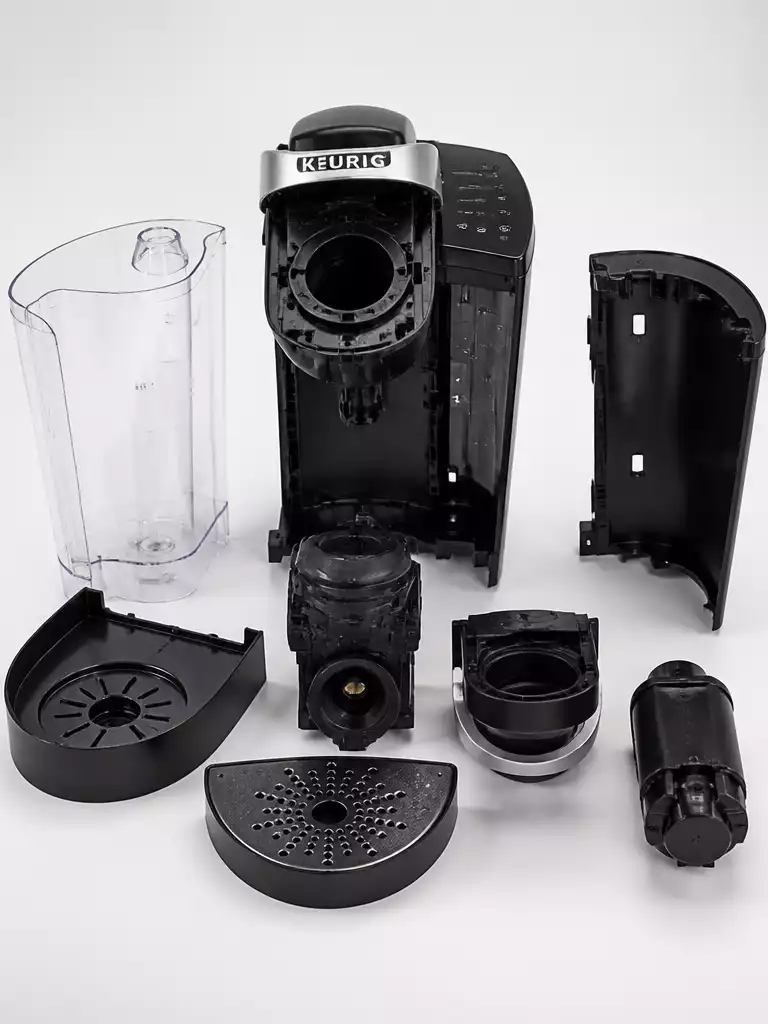
Have you ever considered how disassembling your Keurig could enhance your coffee experience? Regular maintenance is key to a perfect brew!
What You Will Learn
- Disassembling your Keurig helps in thorough cleaning, ensuring better flavor by removing coffee residue and mineral buildup.
- Recognizing signs of trouble, such as weak flow or unusual noises, can help you address issues before they escalate.
- Many common problems, like pump failures or electrical issues, can be diagnosed through regular disassembly and inspection.
- Regular maintenance, including cleaning every 1-2 months and using water filters, can greatly extend your coffee maker’s lifespan.
- Engaging with coffee communities online can provide valuable tips and support for maintaining your Keurig.
The Need for Disassembly of Your Keurig Coffee Maker
When it comes to keeping your morning brew fresh and delicious, understanding why it may be necessary to take apart your Keurig coffee maker is crucial. There are a few common reasons people choose to disassemble their machines, including cleaning, repair, and maintenance. Each of these reasons plays an essential role in ensuring that your Keurig continues to serve up your favorite cups of coffee day in and day out!
Over time, coffee grounds, mineral deposits, and other debris can accumulate inside your machine. This buildup can affect your coffee’s flavor and even lead to more significant issues down the road. Regular disassembly can help you maintain the machine’s performance and extend its lifespan. For more detailed insights into maintaining your coffee maker, you might find this article on Keurig Coffee Maker Maintenance helpful.
Why Take Apart a Keurig Coffee Maker?
Taking apart your Keurig might sound daunting, but it can be a straightforward process. Here are some reasons you might consider:
- Cleaning: Ensures all parts are free from coffee residue and mineral buildup.
- Repair: Helps you access components that may need replacement or fixing.
- Maintenance: Allows for routine checks and upkeep to prevent future issues.
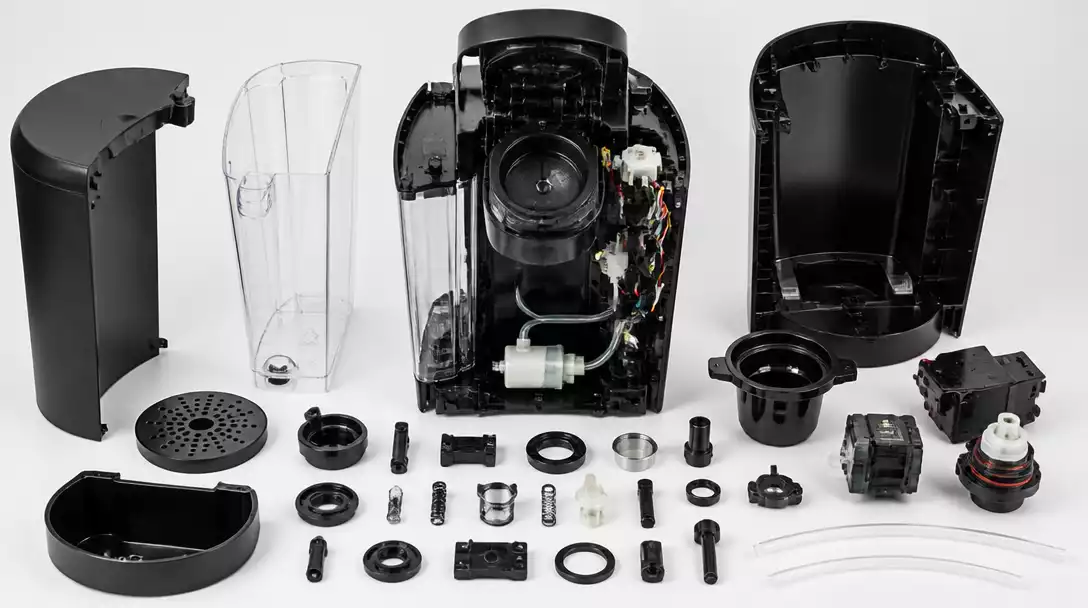
By regularly disassembling your machine, you’ll not only improve its performance but also enhance your overall coffee experience. After all, a clean coffee maker brews better coffee!
Recognizing Signs That Your Keurig Needs Attention
Knowing when your Keurig isn’t functioning as it should is essential for preventing bigger problems. If you notice any of the following symptoms, it may be time to open it up:
- Weak flow: Your coffee drips slowly or seems less robust than usual.
- Clogging: Water doesn’t flow through properly, indicating potential blockages.
- Unusual noises: Sounds like gurgling or grinding can signal internal issues.
Paying attention to these signs can save you time and money in the long run. If you notice any of these problems, taking the time to disassemble and inspect your machine can help you pinpoint the issue quickly.
Common Troubleshooting Issues with Keurig Machines
Disassembling your Keurig can also help resolve frequent troubleshooting issues. Some common problems include:
- Electrical problems: Issues with power or buttons not responding.
- Pump failures: If the pump isn’t working, your coffee won’t brew.
- Heating system failures: If your machine isn’t heating water, it’s time to take a closer look.
Understanding these potential issues can help you become more proactive in maintaining your coffee maker. Regular checks and disassembly for inspection can prevent these frustrations from derailin g your coffee routine.
Pro Tip
Did you know? Regularly descaling your Keurig can prevent mineral buildup that affects flavor and machine performance. Aim to descale your coffee maker every 3 to 6 months, especially if you have hard water in your area. This simple step can make a world of difference in your coffee quality!
Frequently Asked Questions About Keurig Disassembly and Maintenance
Q1: Why is disassembling my Keurig important?
A1: Disassembling your Keurig allows for thorough cleaning, removal of coffee residue and mineral buildup, and inspection for potential repairs. This helps maintain optimal performance and extends the machine’s lifespan.
Q2: What are the main reasons to take apart a Keurig coffee maker?
A2: The primary reasons are cleaning to remove buildup, repair to fix or replace faulty components, and maintenance for routine checks to prevent future problems.
Q3: What signs indicate that my Keurig needs attention?
A3: Look out for signs such as weak coffee flow, clogging, or unusual noises like gurgling or grinding. These symptoms often suggest internal issues that may require disassembly and inspection.
Q4: What common issues can disassembly help troubleshoot?
A4: Disassembly can help diagnose problems like electrical malfunctions, pump failures (where the pump isn’t working), and heating system failures (when the machine isn’t heating water properly).
Q5: When should I seek professional help for my Keurig?
A5: You should seek professional help for complex issues like persistent sporadic brewing, electrical faults not resolved by basic troubleshooting, visible damage to electrical components, frequent error messages, or inconsistent water flow after cleaning and descaling.
Q6: How often should I clean and maintain my Keurig?
A6: Schedule regular cleanings every 1-2 months. Additionally, it’s recommended to descale your Keurig every 3 to 6 months, especially if you have hard water, and always use filtered water for brewing.
Final Thoughts on Disassembling Your Keurig Coffee Maker
When to Seek Professional Help
Sometimes, disassembling your Keurig might not be the best route, especially when dealing with complex issues. If you notice persistent problems like sporadic brewing or electrical faults that don’t resolve with basic troubleshooting, it’s time to consider professional help. Complex issues, particularly those involving the circuit board, can be tricky.
- If you see visible damage to electrical components
- Frequent error messages despite attempts to reset
- Inconsistent water flow after cleaning and descaling
It’s essential to recognize when a problem is beyond DIY solutions. Seeking a technician prevents further damage and ensures your machine is in expert hands! If you’re encountering common Keurig problems, our guide on Troubleshooting Keurig Problems offers valuable advice.
Encouraging Regular Maintenance for Longevity
Keeping your Keurig in top shape is all about regular maintenance. By investing a little time now, you can extend the life of your coffee maker and enjoy consistently great brews. This includes routine cleaning and using water filters to safeguard the internal components.
- Schedule regular cleanings every 1-2 months
- Always use filtered water for brewing
- Check and replace the water filter as needed
These simple maintenance tasks can significantly enhance your machine’s performance and longevity. Trust me, it’s worth the effort to keep that coffee flowing smoothly!
Take Action: Keep Your Keurig Brewing Perfect Coffee
Join the Community for Tips and Support
Engaging with fellow coffee enthusiasts can be a game changer! Join online forums or social media groups where you can share experiences, ask questions, and get valuable tips on Keurig maintenance and troubleshooting.
- Follow dedicated Keurig maintenance groups on Facebook
- Participate in Reddit forums about coffee makers
- Check out YouTube channels for visual guides and tips
Being part of a community can provide support and insights you might not find in manuals. Plus, it’s fun to connect with others who share your passion for coffee!
Your Next Steps for a Well-Maintained Keurig
As you wrap up your disassembly and maintenance journey, remember these actionable steps for keeping your Keurig in great shape:
- Refer to your user manual for specific maintenance tips for your model
- Keep track of cleaning schedules in your calendar
- Use recommended descaling solutions to avoid buildup
By following these steps, you’ll ensure your coffee maker remains a reliable companion for your daily brews. Here’s to enjoying perfect coffee every time! For a deeper dive into extending the life of your appliance, explore our article on Maintaining Your Coffee Maker.
Recap of Key Points
Here is a quick recap of the important points discussed in the article:
- Regular disassembly of your Keurig is essential for cleaning, repair, and maintenance.
- Watch for signs like weak flow, clogging, or unusual noises to determine when your Keurig needs attention.
- Common troubleshooting issues include electrical problems, pump failures, and heating system failures.
- Seek professional help for complex issues such as visible electrical damage or persistent error messages.
- Maintain your Keurig by scheduling cleanings every 1-2 months and using filtered water for brewing.
- Engage with coffee communities for tips and support on maintenance and troubleshooting.
- Follow specific maintenance tips from your user manual and keep track of cleaning schedules.