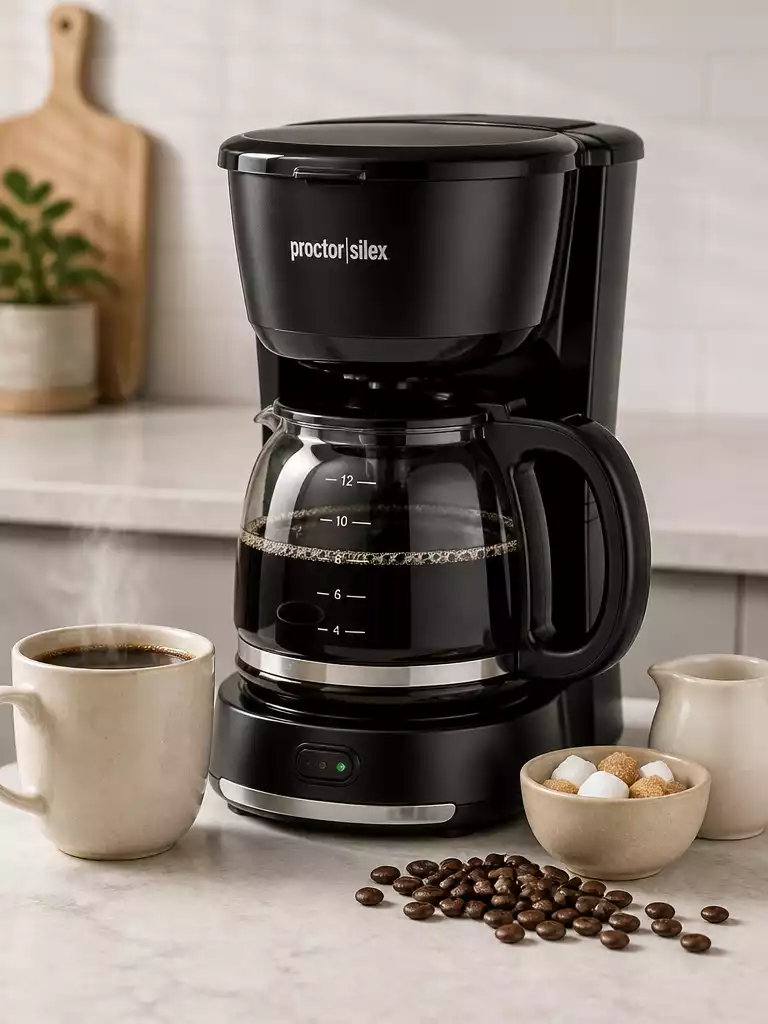
Have you ever wondered how to brew the perfect cup of coffee with a Proctor Silex coffee maker? Mastering the art of coffee brewing starts with understanding your machine and experimenting with different techniques.
What You Will Learn
- The importance of reading the manual for your Proctor Silex coffee maker to ensure proper setup and usage.
- Key steps for preparing your coffee maker for first-time use, including rinsing the carafe and running a water cycle.
- How to fill the water reservoir correctly and adjust water levels based on your preferred brew strength.
- The right amount of coffee grounds to use, catering to your taste for milder or stronger coffee.
- Tips for properly setting up the carafe and initiating the brew cycle for a seamless experience.
- Understanding how brew time affects coffee strength, and ways to document your preferences for future brews.
- Suggestions for exploring different coffee beans and accessories to elevate your coffee experience.
- The benefits of engaging with the coffee community to share tips and discover new brewing methods.
Essential Steps for Brewing Coffee with a Proctor Silex Coffee Maker
Getting the most out of your Proctor Silex coffee maker begins with a few essential steps. It’s tempting to dive right in, but I always recommend reading the manual first. This not only helps you become familiar with your coffee maker’s functions but also ensures a smooth brewing experience right from the start!
Before you brew that perfect cup, the initial setup is crucial. Start by placing your coffee maker on a flat, stable surface away from any water sources. Plug it in, and get ready to follow a few easy steps to prepare it for use!
Preparing Your Coffee Maker for First-Time Use
Reading the manual is your first step to success! Proctor Silex coffee makers come with specific instructions that vary by model, so taking a moment to scan through will pay off. You want to make sure you don’t miss any important setup tips.
- Unbox your coffee maker and remove any packaging materials.
- Rinse the carafe and filter basket under warm water.
- Run a cycle with plain water to clean the internal parts.
- Discard the water and rinse again to ensure your first brew is fresh!
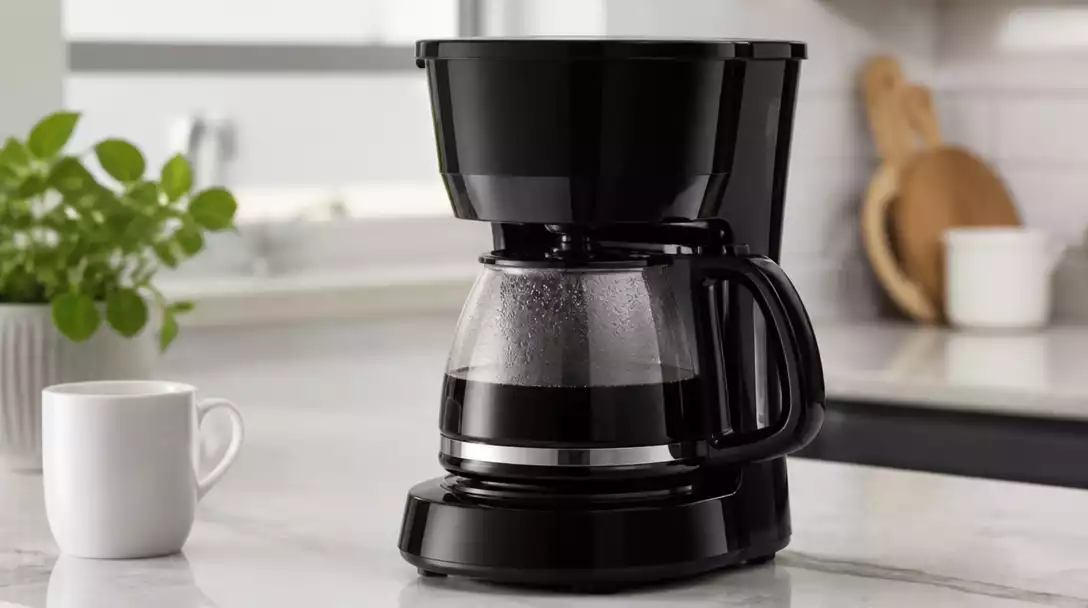
Taking these steps helps eliminate any residual manufacturing tastes from your coffee maker. Plus, it sets the stage for a delicious brewing experience!
Step-by-Step Brewing Instructions
1. Filling the Water Reservoir
Filling the water reservoir correctly is vital for brewing the perfect cup. Start by removing the water reservoir lid and filling it with fresh, cold water. Make sure to check the water level indicator to avoid overfilling. Water that’s too low can lead to weak coffee!
Always remember that the brew strength you prefer can affect how much water you use, so feel free to adjust as you find your sweet spot!
2. Adding Ground Coffee to the Filter Basket
Selecting the right coffee grounds is key! I usually recommend using medium ground coffee for the best flavor extraction. As a general rule, use about 1 to 2 tablespoons of coffee per 6 ounces of water.
- For a milder brew, stick to 1 tablespoon.
- For a stronger kick, go for 2 tablespoons.
- Experiment with different brands to find your favorite!
The grind size can also impact the taste, so don’t hesitate to try different sizes until you discover what suits your palate.
3. Setting Up the Carafe and Closing the Lid
Once you’ve added the coffee grounds, it’s time to set up the carafe. Position the carafe on the warming plate and ensure it’s seated properly. This step is important to prevent any spills or messes during the brewing process!
Don’t forget to close the lid securely before you start brewing—this helps maintain the temperature and flavor of your coffee.
4. Initiating the Brew Cycle
You’re almost there! To start brewing, simply press the ON/BREW button. It’s that easy! During this process, you’ll see the coffee maker come to life, and you’ll hear the satisfying sounds of brewing.
Take a moment to enjoy the aroma that fills your kitchen as the coffee brews—it’s one of the best parts of the whole experience!
5. Understanding Brew Time and Coffee Strength
The brew time can greatly affect the strength of your coffee. Typically, the brewing process takes about 5 to 10 minutes, depending on your specific model. If you prefer a stronger cup, you might want to try brewing for a little longer.
- Shorter brew times yield milder coffee.
- Longer brew times can enhance the richness and boldness.
- Keep a notepad handy to jot down your preferences!
As you experiment with different brew times, you’ll soon find your ideal balance that wakes you up just right!
Pro Tip
Did you know? Using filtered water in your Proctor Silex coffee maker can significantly enhance the flavor of your coffee. It removes impurities and chlorine that can affect the taste, giving you a purer, more delicious brew. Experiment with different water sources to find what tastes best to you!
Frequently Asked Questions About Proctor Silex Coffee Makers
Here are some common questions about using your Proctor Silex coffee maker:
- Q: Do I need to clean my new Proctor Silex coffee maker before first use?
- A: Yes, it’s crucial to prepare your coffee maker for first-time use. This involves unboxing, rinsing the carafe and filter basket, and running a cycle with plain water to clean internal parts and remove any manufacturing residue.
- Q: How much coffee should I use for a strong brew?
- A: For a stronger brew, we recommend using 2 tablespoons of medium ground coffee per 6 ounces of water. Adjust this ratio to your personal preference.
- Q: What type of coffee grounds are best for a Proctor Silex coffee maker?
- A: Medium ground coffee is generally recommended for optimal flavor extraction in most drip coffee makers, including Proctor Silex models. However, feel free to experiment with different grind sizes to find what you like best.
- Q: How does brew time affect coffee strength?
- A: Typically, longer brew times result in stronger, more robust coffee, while shorter brew times yield a milder cup. Most Proctor Silex coffee makers brew in about 5 to 10 minutes.
- Q: Can I use tap water in my coffee maker?
- A: While you can use tap water, using filtered water is highly recommended. Filtered water removes impurities and chlorine, which can significantly enhance the flavor profile of your coffee.
Summarizing Your Experience with the Proctor Silex Coffee Maker
We’d love to hear about your journey with the Proctor Silex Coffee Maker! Sharing your experiences not only helps us grow, but also assists fellow coffee lovers in discovering new tips and tricks. Have you found a unique brewing method or a special blend that enhances your coffee experience?
Consider jotting down any additional tips you might have uncovered along the way. Your insights can inspire others to take their coffee game to the next level. Plus, it’s always exciting to learn from each other!
Engaging with the Community and Further Learning
As you delve deeper into the world of coffee, I encourage you to engage with the community! There are plenty of online forums and groups where coffee enthusiasts gather to share their knowledge and experiences. It’s a fantastic way to learn more and bond with others who share your passion.
- Join coffee-related Facebook groups for discussions and tips.
- Participate in Reddit forums like r/Coffee to ask questions and share insights.
- Explore local coffee-tasting events to connect with other coffee lovers.
In addition, many FAQs are available on websites dedicated to coffee-making that can guide you further. For those interested in alternative brewing methods, you might want to explore how to use a percolator coffee maker for a different kind of brew. Stay curious and keep experimenting!
Next Steps for Coffee Lovers
Once you’ve mastered your Proctor Silex Coffee Maker, why not explore different types of coffee beans? Trying various blends can significantly transform your morning routine. Whether it’s a bold dark roast or a smooth medium blend, each type offers something unique!
- Experiment with single-origin coffees for distinct flavors.
- Try flavored beans, like vanilla or hazelnut, for a fun twist.
- Test out different brewing methods like French press or pour-over. For instance, learning how to use a French press coffee maker can open up a new world of rich, full-bodied coffee.
By experimenting with new flavors and brewing techniques, you’ll discover your personal favorites and make your coffee moments even more enjoyable!
Exploring Coffee Accessories and Recipe Ideas
To elevate your coffee experience, consider investing in some essential accessories. They can make a noticeable difference in how you enjoy your brew! Here are a few recommendations:
- A good quality coffee grinder to ensure freshness.
- Stylish coffee mugs that enhance your coffee-drinking experience.
- Milk frother for those creamy lattes and cappuccinos.
Additionally, don’t shy away from trying out creative coffee recipes! From iced coffees to coffee-flavored desserts, the possibilities are endless. If you’re looking for ways to keep your machine in top condition, understanding how to unclog a coffee maker is a valuable skill. Share your favorite recipes with others to inspire them to get creative too!
Recap of Key Points
Here is a quick recap of the important points discussed in the article:
- Always read the manual before using your Proctor Silex coffee maker for the best results.
- Prepare your coffee maker by rinsing the carafe, filter basket, and running a cycle with plain water.
- Use fresh, cold water and ensure the water level is appropriate for your brew strength preference.
- Select medium ground coffee and adjust the amount based on your taste—1 to 2 tablespoons per 6 ounces of water.
- Secure the carafe and lid properly to avoid spills and maintain temperature during brewing.
- Take note of brew times to find your ideal coffee strength—5 to 10 minutes is typical.
- Engage with the coffee community to learn and share experiences, and consider experimenting with various coffee beans and brewing methods.