Every coffee enthusiast knows that the right grinder can elevate your brew from ordinary to extraordinary. What makes Mr. Coffee grinders unique? Let’s explore the essential insights that can transform your coffee experience.
What You Will Learn
- The difference between blade and burr grinders, and why burr grinders are recommended for serious coffee lovers.
- Key features to consider in a Mr. Coffee grinder, including grind settings, capacity, and ease of cleaning.
- How to choose between electric and manual grinders based on your brewing habits and preferences.
- The impact of grind size on flavor and how to match grind sizes to different brewing methods for optimal taste.
- Step-by-step guidance on using your Mr. Coffee grinder effectively for consistent and quality results.
Understanding Your Mr. Coffee Grinder: Types and Features
As a coffee lover, I know how important it is to have the right equipment, especially when it comes to grinding your beans. Mr. Coffee grinders come in various models, each with unique features that cater to different brewing preferences. Let’s dive into the different types of grinders and what makes them special!
From my experience, choosing the right grinder can greatly enhance your coffee experience. Knowing the differences between blade grinders and burr grinders is essential for any coffee enthusiast looking to refine their brewing technique.
Exploring the Different Models of Mr. Coffee Grinders
Mr. Coffee offers a range of grinders that can fit any kitchen and budget. Here are some popular models to consider:
- Blade Grinders: Affordable and easy to use, they chop beans with a spinning blade.
- Burr Grinders: These provide a more consistent grind by crushing beans between two surfaces.
- Electric Grinders: Convenient for quick use, they are ideal for those who brew coffee regularly.
- Manual Grinders: Perfect for coffee lovers who enjoy the ritual of grinding their beans by hand.
Choosing the right model for your needs will not only make your coffee taste better but also elevate the entire brewing process. Each type has its strengths and weaknesses, so consider how often you brew and your desired flavor profile.
Blade Grinders vs. Burr Grinders: What’s the Difference?
So, what’s the real difference between blade and burr grinders? Blade grinders use a rotating blade to chop coffee beans, which can lead to uneven grinds and can impact flavor. On the other hand, burr grinders crush the beans at a consistent size, ensuring a better extraction of flavors during brewing.
For those who are serious about their coffee, I strongly recommend investing in a burr grinder. The precision in grind size can significantly enhance the taste of your coffee, making each cup a little more delightful!
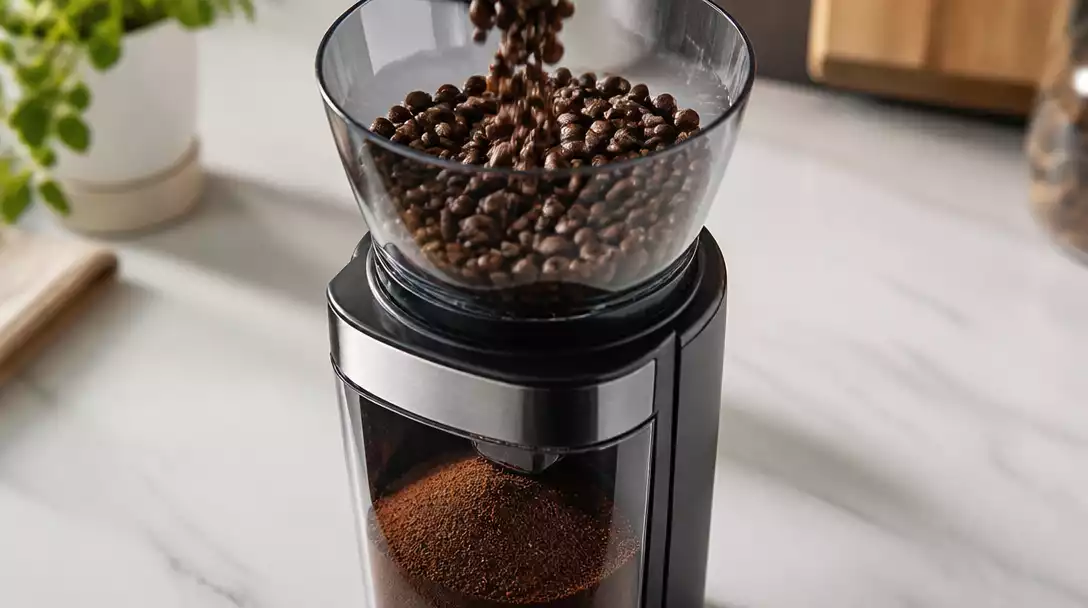
Key Features to Look for in Mr. Coffee Grinders
When selecting a Mr. Coffee grinder, consider the following features that can make your coffee brewing experience more enjoyable:
- Grind Settings: Look for grinders that offer multiple grind size options to match different brewing methods.
- Capacity: Choose a grinder that fits the amount of coffee you typically make.
- Ease of Cleaning: A grinder that’s easy to disassemble will save you time and effort.
- Noise Level: If you brew early in the morning, consider how noisy the grinder is during operation.
These features can enhance usability and improve the overall quality of your coffee. Make sure to pick a model that aligns with your brewing habits and personal taste preferences!
Choosing Between Electric and Manual Grinding Options
Now that you know about the different types of grinders, let’s weigh the pros and cons of electric versus manual grinding. Each option has its benefits, and knowing these can help you decide what’s best for your coffee routine.
Personally, I appreciate the convenience of electric grinders, especially on busy mornings. However, there are times when I enjoy the process of manual grinding—it gives a sense of connection to the beans!
Benefits of Electric Grinders for Home Brewing
Electric grinders are perfect for those who want speed and consistency. Some of the key benefits include:
- Quick Operation: Grind your beans in seconds.
- Consistent Grind Size: Achieve uniformity for better flavor extraction.
- Ease of Use: Just press a button and let the grinder do the work!
For anyone brewing coffee daily, an electric grinder can be a game changer, making your coffee routine both efficient and enjoyable.
When to Consider Manual Grinding Techniques
Manual grinders offer a unique experience for coffee enthusiasts looking to deepen their connection with their brew. Here are some reasons you might want to consider a manual grinder:
- Portability: Great for travel or camping trips.
- Control: You can adjust the grind size more precisely.
- Ritual: The process of grinding by hand can be meditative and enjoyable.
While they do require a bit more effort, many coffee lovers find the reward of a freshly ground cup worth it!
Understanding Coffee Grind Size and Its Impact on Flavor
The grind size of your coffee beans plays a crucial role in the flavor of your brew. Different brewing methods require different grind sizes, and getting this right can elevate your coffee experience.
It’s fascinating how something as simple as grind size can affect the extraction of flavors. When I first started brewing coffee, I never realized how much of a difference it could make!
How Grind Size Affects Brewing Methods
Here’s a quick guide on how different grind sizes correspond with various brewing methods:
- Coarse: Best for French Press, allowing longer extraction.
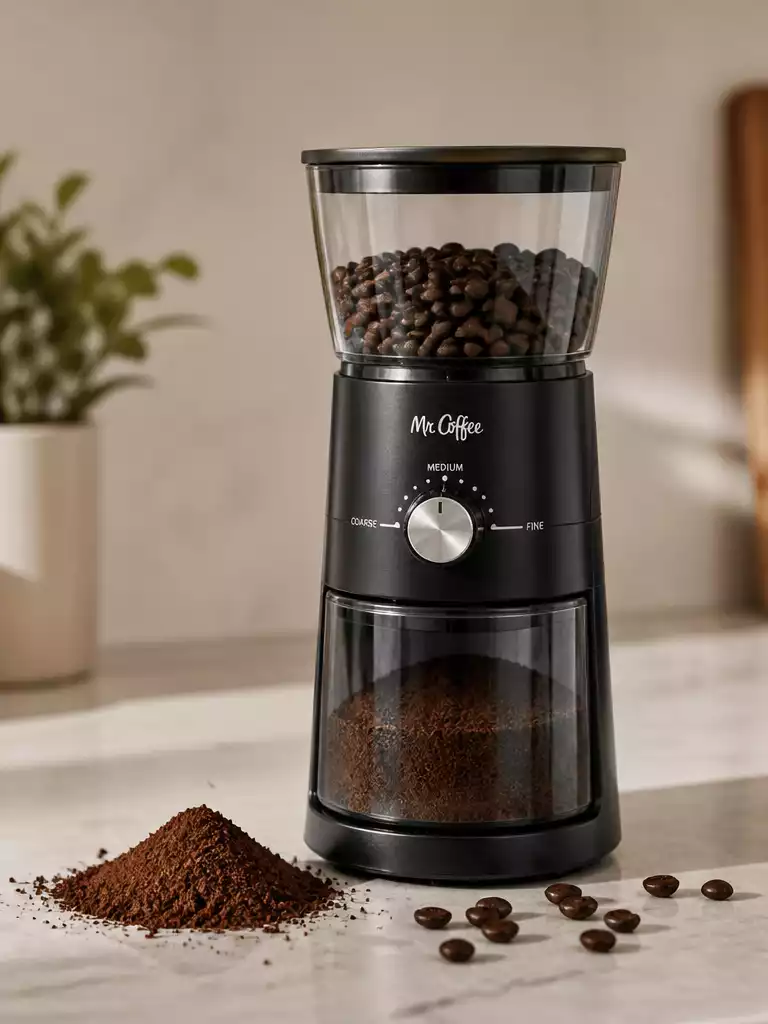
- Medium: Ideal for drip coffee makers and pour-over methods.
- Fine: Perfect for espresso machines for a rich, concentrated shot.
By matching the grind size to your brewing method, you can optimize the flavor and aroma of your coffee, making each cup a delightful experience. If you’re looking for guidance on other coffee equipment, learn how to use a drip coffee maker for optimal results.
The Science Behind Coffee Grind Size and Flavor Extraction
When it comes to brewing coffee, the size of the coffee grounds can influence everything from flavor to acidity. Finer grinds expose more surface area, resulting in quicker extraction, while coarser grinds do the opposite.
Understanding this science can help you customize your coffee to your taste preferences. I often experiment with different grind sizes to find the perfect balance for my brews—it’s part of the fun!
Pro Tip
Did you know? Experimenting with different grind sizes can lead to discovering your perfect cup of coffee. Keep a journal of your grind settings and brewing methods to pinpoint what works best for your taste!
Step-by-Step Guide to Using Your Mr. Coffee Grinder
Getting started with your Mr. Coffee grinder can be an exciting journey! I remember the first time I unboxed mine; it felt like a new adventure was about to begin. To help you along the way, here’s a detailed guide that breaks down the essential steps to ensure you maximize your grinding experience.
Essential First Steps: Preparing for Use
Unpacking and Assembling Your Grinder
First things first, let’s get your grinder ready for action! Carefully remove your Mr. Coffee grinder from the box and take a moment to inspect all the components. Typically, you’ll find:
- The grinder base
- A grinding chamber
- The lid
- A cleaning brush (if included)
Make sure each part is intact and free from any packing materials. Follow the assembly instructions in the manual, which usually involves securing the grinding chamber to the base and fitting the lid. Once set up, you’re one step closer to brewing delicious coffee!
Safety Precautions Before First Use
Before you dive into grinding, let’s talk about safety. It’s important to be aware of a few key points to ensure a safe and effective experience:
- Always keep your hands and objects away from the grinding area while in operation.
- Ensure the grinder is unplugged when adding or removing coffee beans.
- Read the user manual thoroughly for specific safety instructions related to your model.
These precautions not only protect you but also help maintain your grinder’s performance for years to come.
Selecting the Right Grind Size for Your Brew Method
Understanding Grind Settings: Fine, Medium, Coarse
Choosing the right grind size can dramatically affect your coffee’s flavor. Mr. Coffee grinders typically offer settings ranging from fine to coarse. Here’s a simple breakdown:
- Fine Grind: Best for espresso and Turkish coffee.
- Medium Grind: Perfect for drip coffee makers.
- Coarse Grind: Ideal for French press and cold brew.
Experimenting with these settings will help you discover your preferred coffee taste and brewing technique!
Matching Grind Size to Brewing Method: Tips for Espresso, Drip, and French Press
Knowing how to match your grind size to your brewing method is essential for achieving that perfect cup of coffee. Here are some tips:
- For Espresso: Go for a fine grind to extract bold flavors quickly.
- For Drip Coffee: A medium grind will ensure a balanced extraction.
- For French Press: Use a coarse grind to prevent over-extraction and bitterness.
These adjustments can make a significant difference, so don’t hesitate to tweak your settings based on your brewing style! For more specific grinder instructions, you might find our guide on how to use a Capresso coffee grinder helpful.
Optimizing Grinding Time for Different Coffee Brews
Recommended Grinding Times for Popular Brewing Methods
Timing is everything when it comes to grinding coffee. Here are some guidelines for how long to grind based on your brew method:
- Espresso: Approximately 18-20 seconds.
- Drip Coffee: About 30 seconds.
- French Press: Roughly 20-25 seconds.
These times can vary slightly based on the specific grinder model and your personal taste preferences, so feel free to adjust as you go!
How Grinding Time Influences Coffee Flavor
The grinding time directly influences the flavor profile of your coffee. A shorter grind time can lead to a milder taste, while a longer grind may result in a more intense flavor. Here’s why:
- Short grinding times can preserve the coffee’s natural oils.
- Longer grinding times expose more surface area, which can enhance bitterness.
Finding the perfect balance will take a little experimentation, but it’s worth the effort for that ideal cup!
Operating Your Mr. Coffee Grinder Effectively
How to Load Coffee Beans and Adjust Cup Settings
Loading your coffee beans correctly is crucial. Here’s how to do it:
- Open the lid and pour in your coffee beans—only fill the grinder to the recommended maximum line.
- If your model has a cup setting, adjust it based on how many cups of coffee you plan to brew.
Proper loading ensures a consistent grind and enhances the overall brewing experience!
Proper Grinding Techniques: Pulse Cycles and Consistency
For the best results, I recommend using pulse grinding techniques. Instead of letting the grinder run continuously, try:
- Using short bursts of grinding to achieve a more even consistency.
- Pausing briefly between pulses to check the grind size.
This approach gives you control and helps prevent overheating, which can affect flavor. Remember, practice makes perfect!
For comprehensive tips on maintaining your grinder, check out our guide on how to clean a Mr. Coffee grinder.
Frequently Asked Questions About Mr. Coffee Grinders
- Q: What are the main types of Mr. Coffee grinders?
- A: Mr. Coffee offers blade grinders, burr grinders, electric grinders, and manual grinders. Blade grinders chop beans, while burr grinders crush them for a more consistent result. Electric grinders are convenient for speed, and manual grinders offer portability and control.
- Q: Why should I choose a burr grinder over a blade grinder?
- A: Burr grinders provide a significantly more consistent grind size by crushing beans between two abrasive surfaces. This uniformity is crucial for optimal flavor extraction, resulting in a better-tasting cup of coffee compared to blade grinders, which chop beans unevenly.
- Q: What key features should I consider when buying a Mr. Coffee grinder?
- A: Important features include multiple grind settings to match various brewing methods, sufficient capacity for your needs, ease of cleaning (preferably with removable parts), and a manageable noise level, especially if you plan to use it early in the morning.
- Q: How does grind size affect the flavor of my coffee?
- A: Grind size significantly impacts flavor extraction. Finer grinds have more surface area, leading to quicker extraction and a bolder, more concentrated flavor, ideal for espresso. Coarser grinds extract slower, suitable for methods like French Press to avoid over-extraction and bitterness.
- Q: What grind size is best for French Press, drip coffee, and espresso?
- A: For French Press, a coarse grind is recommended. For drip coffee makers and pour-over methods, a medium grind is ideal. For espresso machines, a fine grind is perfect to achieve a rich, concentrated shot.
Recap of Key Points
Here is a quick recap of the important points discussed in the article:
- Understand the different types of Mr. Coffee grinders: blade grinders, burr grinders, electric grinders, and manual grinders.
- Burr grinders provide a more consistent grind, enhancing flavor extraction compared to blade grinders.
- Key features to consider when choosing a grinder include grind settings, capacity, ease of cleaning, and noise level.
- Electric grinders offer speed and consistency, while manual grinders provide control and a unique grinding experience.
- The grind size should match your brewing method: coarse for French press, medium for drip coffee, and fine for espresso.
- Experimenting with grind size and timing can significantly influence the flavor profile of your coffee.