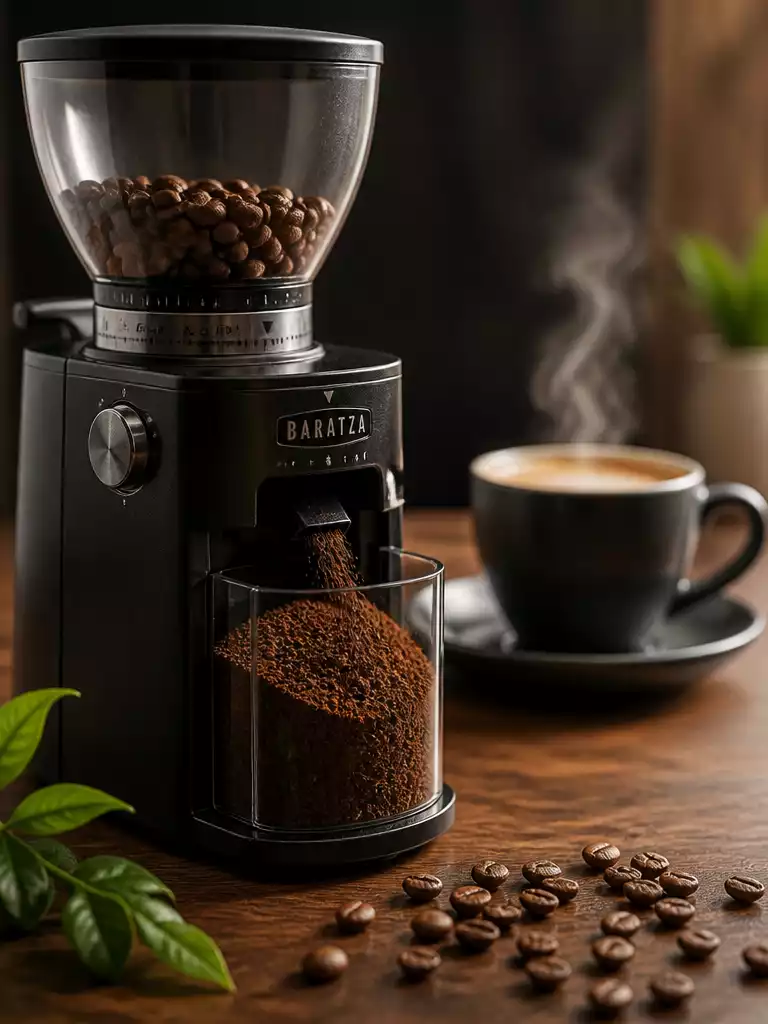
Did you know that the grind size of your coffee can dramatically influence the flavor of your brew? Understanding the intricacies of coffee grinders can elevate your morning ritual to a whole new level. Let’s uncover the essentials of coffee grinding!
What You Will Learn
- Coffee grinders come in two main types: blade and burr, each affecting grind consistency.
- Different brewing methods require specific grind sizes for optimal extraction—fine for espresso, coarse for French press.
- The freshness of coffee beans is crucial; grind just before brewing to enhance flavor and aroma.
- Consistent grind size ensures even flavor extraction, preventing bitter or sour notes in your cup.
Coffee Grinders: The Basics
Welcome to the world of coffee grinders! If you’re new to brewing at home or looking to elevate your coffee game, understanding how coffee grinders work is essential. A coffee grinder is a device that grinds coffee beans into smaller particles, allowing for richer extraction during brewing. But how does it all function? Let’s dive into the details!
What is a Coffee Grinder and How Does It Work?
A coffee grinder is more than just a tool; it’s the gateway to unlocking the full potential of your coffee beans. Essentially, it breaks down whole beans into various grind sizes, which directly affects your brew’s flavor. Most grinders use either blades or burrs to achieve this.
- Blade grinders chop beans using sharp blades, which can produce uneven grinds.
- Burr grinders crush beans between two surfaces, allowing for more consistency in grind size.
- Some grinders even offer settings to adjust the grind size based on your brewing method.
Choosing the right grinder can make a significant difference in your coffee experience. The key is to find one that suits your brewing preferences and style! For detailed guidance on specific models, you might want to learn how to use a Capresso coffee grinder.
The Importance of Grind Size for Different Brewing Methods
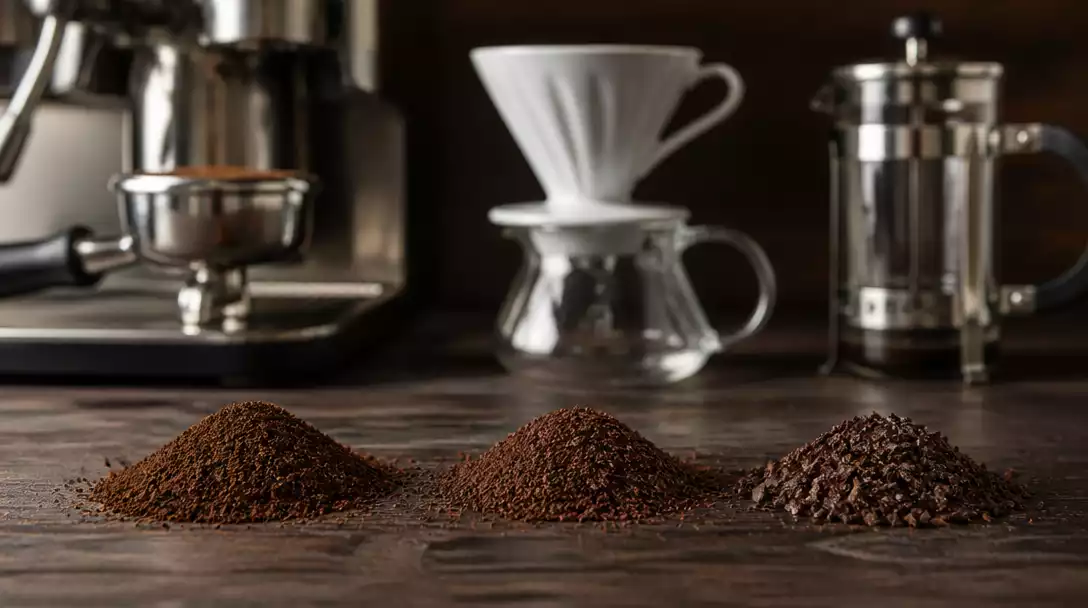
Did you know that the size of your coffee grind can impact your brew? Yes, it really does! Different brewing methods require specific grind sizes to ensure optimal extraction. For example, a fine grind is perfect for espresso, while a coarse grind works best for French press. Understanding these differences can help you achieve the perfect cup every time.
- Espresso: Fine grind for quick extraction.
- Pour-Over: Medium grind for balanced brewing.
- French Press: Coarse grind to avoid over-extraction.
- Cold Brew: Extra coarse grind for a smooth flavor.
This attention to detail can transform your morning ritual into something truly special! So, pay attention to your grind size—it’s a game changer.
Exploring Different Types of Coffee Beans for Grinding
When it comes to coffee beans, variety is the spice of life! There are numerous types of beans, each offering unique flavors and aromas. Choosing the right beans is just as important as the grind size. Here are the main categories:
- Arabica: Known for its smooth, complex flavors.
- Robusta: Offers a stronger, more bitter taste.
- Single Origin: Beans sourced from one location, reflecting the region’s unique characteristics.
- Blends: A mix of beans designed to create a balanced flavor profile.
Experimenting with different beans can lead to exciting discoveries! Don’t hesitate to try new varieties to find your perfect brew.
How Freshness Affects Your Grinding and Brewing
Freshness is crucial in the world of coffee! The aroma and flavor of coffee beans degrade over time, making it vital to grind your beans just before brewing. Grinding fresh beans allows the essential oils and flavors to shine through, resulting in a more vibrant cup. Here’s why freshness matters:
- Freshly ground coffee retains more flavor and aroma.
- Stale beans can lead to a dull, flat taste.
- Grinding before brewing ensures optimal extraction.
So, treat your coffee beans right! Invest in a good grinder and make it a habit to grind fresh for the best coffee experience. Remember, coffee is not just a drink; it’s an experience!
Pro Tip
Did you know? The temperature of your water can also affect your coffee’s flavor profile. For optimal extraction, aim for water temperatures between 195°F to 205°F (90°C to 96°C). This range helps to unlock the coffee’s natural oils and flavors without scalding the grounds.
Maximizing Your Coffee Experience: Final Thoughts
As I’ve explored the world of coffee grinding, one thing has become crystal clear: grind consistency plays a critical role in flavor extraction! When your coffee particles are uniform, you can achieve a balanced taste that elevates your brewing experience. In this section, we’ll dive deeper into how the grind size and consistency can significantly influence your favorite brews.
To maximize flavor extraction, aim for a consistent grind. This means that each coffee particle should be roughly the same size, ensuring that they all extract flavors evenly during brewing. If you have uneven grounds, you might end up with a cup that’s both bitter and sour.
How Grind Consistency Affects Flavor Extraction
- Uniform grind leads to even extraction.
- Inconsistent grind results in bitter and sour notes.
- Fine grinds are better for quick extraction methods.
- Coarse grinds work best for longer brewing processes.
When you grind coffee, the goal is to unlock the maximum flavor from your beans. A consistent grind ensures that all the flavors are extracted at the same rate, making your coffee taste rich and well-rounded. On the other hand, if your grind is inconsistent, some coffee particles will be over-extracted while others are under-extracted, leading to a jarring taste. If you encounter issues with your grinder, you might need to know how to reset your coffee grinder to restore its optimal performance.
The Role of Grind Size in Brewing Methods: From Espresso to Cold Brew
Every brewing method has its ideal grind size. For example, espresso requires a fine grind, while cold brew benefits from a coarse grind. Understanding this will help you create the perfect cup for your preferred brewing style.
- Espresso: Fine grind for quick extraction.
- Pour-over: Medium grind for balanced flavors.
- French Press: Coarse grind to avoid bitterness.
- Cold Brew: Very coarse grind for smoothness.
By adjusting your grind size according to the brewing method, you can control the extraction process and ensure that your coffee tastes just right. Experimenting with these various grind sizes can open up a world of flavor possibilities!
Frequently Asked Questions About Coffee Grinding
Throughout our journey into coffee grinding, numerous questions often arise. Here are a few FAQs to clarify your doubts and enhance your coffee experience!
- What are the two main types of coffee grinders?
The two main types are blade grinders and burr grinders. Blade grinders chop beans with sharp blades, often resulting in an inconsistent grind. Burr grinders, on the other hand, crush beans between two abrasive surfaces, providing a more consistent and uniform grind. - Why is grind size important for different brewing methods?
Grind size directly impacts the extraction rate of coffee flavors. Different brewing methods require specific grind sizes to ensure optimal flavor extraction. For example, a fine grind is best for espresso due to its short brewing time, while a coarse grind is ideal for French press to prevent over-extraction and bitterness. - How does the freshness of coffee beans affect the grinding and brewing process?
Freshness is crucial because the aroma and flavor compounds in coffee beans degrade over time. Grinding beans just before brewing ensures that these volatile compounds are preserved, leading to a more vibrant and aromatic cup. Stale beans result in a dull, flat taste. - What is grind consistency, and why does it matter?
Grind consistency refers to the uniformity of coffee particle size after grinding. It matters because consistent particles extract flavors evenly. Inconsistent grinds lead to some particles being over-extracted (resulting in bitterness) and others under-extracted (resulting in sourness), creating an unbalanced flavor profile. - Can I use a coarse grind for espresso or a fine grind for French press?
While technically possible, it’s not recommended for optimal flavor. A coarse grind for espresso will lead to under-extraction and a weak, sour shot. A fine grind for French press can lead to over-extraction, bitterness, and a muddy cup due to fine particles passing through the filter.
FAQs: Answering Common Coffee Grinding Questions
Throughout my journey in coffee grinding, I’ve encountered numerous questions that many of us share. Here are a few FAQs to clarify your doubts and enhance your coffee experience!
How Long Should You Grind Your Coffee?
The ideal grinding time varies based on your grinder type and the desired grind size. Generally, a few seconds should suffice for coarse grinds, while finer grinds may require around 10-15 seconds. Always keep an eye on the texture!
What Grind Size is Best for Espresso and French Press?
Espresso thrives on a fine grind, while French Press benefits from a coarse grind. This allows each brewing method to extract the best flavors from the coffee!
How Do You Properly Clean a Coffee Grinder?
Cleaning is crucial for flavor preservation! To maintain your grinder, simply disassemble it and brush out any coffee residue. You can use rice or grinder cleaner tablets occasionally to absorb oils and odors. For specific instructions, learn how to clean a coffee grinder thoroughly.
Join the Coffee Grinding Community
As we wrap up this section, I encourage you to become part of the coffee grinding community! Sharing tips and experiences not only enhances your brewing skills but also connects you with fellow coffee lovers.
Sharing Your Coffee Grinding Tips and Experiences
I’d love to hear your coffee grinding stories! Feel free to share your tips or challenges you’ve faced while experimenting with grind sizes and brewing methods. Let’s learn from each other!
Next Steps: Experimenting with Grind Sizes and Brewing Methods
Don’t be afraid to experiment! Try out different grind sizes and brewing methods to discover what suits your palate best. The journey of finding the perfect cup of coffee can be a thrilling adventure!
Connecting with Coffee Enthusiasts: Join the Conversation
Join us in the conversation! Connect with fellow coffee enthusiasts through social media or local coffee clubs, and share your discoveries. The more we share, the richer our coffee experiences become!
Recap of Key Points
Here is a quick recap of the important points discussed in the article:
- A coffee grinder is essential for achieving the right grind size, which directly affects flavor extraction.
- Different brewing methods require specific grind sizes: fine for espresso, medium for pour-over, coarse for French press, and extra coarse for cold brew.
- Using a burr grinder ensures more consistency in grind size compared to blade grinders.
- Freshness of coffee beans is crucial; grind just before brewing to maintain flavor and aroma.
- A consistent grind size leads to even extraction, enhancing the overall coffee experience.
Pingback: How To Use SBOLY Coffee Grinder
Pingback: How To Use Kaffe Coffee Grinder
Pingback: How To Use Gevi Coffee Grinder
Pingback: How To Use Encore Coffee Grinder
Pingback: How To Use SHARDOR Coffee Grinder
Pingback: How To Use OXO Coffee Grinder
Pingback: How To Use Hamilton Beach Coffee Grinder
Pingback: How To Use Hario Coffee Grinder
Pingback: How To Use Secura Coffee Grinder
Pingback: How To Use Blade Coffee Grinder